
FEATURE ARTICLE
How to Read Cleaning Product Labels: A Practical Guide for Safer, Smarter Choices
Mar 18, 2026
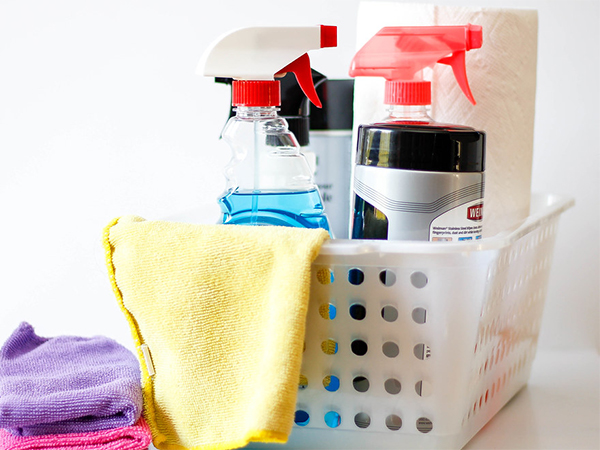
In today’s fast-paced world, cleanliness and hygiene are more important than ever. Homes, offices, and workplaces rely on a wide range of cleaning supplies—from disinfectants and multipurpose sprays to glass cleaners and floor solutions—to maintain safe and healthy environments.
However, many people overlook one important step before using these products: reading the label. Cleaning product labels contain valuable information about safety, ingredients, usage, and environmental impact. Unfortunately, the terminology and symbols can sometimes feel confusing or overwhelming.
Understanding how to read these labels can help you choose safer products, protect your health, and clean more effectively. Here are several practical tips to help you decode cleaning product labels and make informed decisions.
Cleaning product labels are designed to help consumers use products safely and effectively. By taking a few extra moments to review safety warnings, ingredients, instructions, and certifications, you can make more confident and informed choices.
Whether you're stocking supplies for your home or workplace, understanding these labels helps protect your health, extend the life of your surfaces, and reduce environmental impact.
The next time you pick up a cleaning product, don’t just look at the brand or scent—take a closer look at the label. That small step can make a big difference in creating a cleaner, safer space.
However, many people overlook one important step before using these products: reading the label. Cleaning product labels contain valuable information about safety, ingredients, usage, and environmental impact. Unfortunately, the terminology and symbols can sometimes feel confusing or overwhelming.
Understanding how to read these labels can help you choose safer products, protect your health, and clean more effectively. Here are several practical tips to help you decode cleaning product labels and make informed decisions.
-
Start With Safety Warnings
The first thing to look for on any cleaning product label is the safety information. Most labels include signal words that indicate the product's hazard level.
Common signal words include:- Caution: Mild to moderate hazard
- Warning: Moderate hazard
- Danger: Highly hazardous product
Always follow recommended precautions such as wearing gloves, ensuring proper ventilation, or keeping products out of reach of children and pets. -
Review the Ingredient List
Checking the ingredient list is another important step when choosing cleaning supplies. While some labels list ingredients clearly, others may use technical names that are unfamiliar to most consumers.
Reviewing ingredients can help you:- Identify substances you may be allergic to or sensitive to
- Avoid harsh chemicals when possible
- Choose products aligned with environmental preferences
-
Look for Trusted Environmental Certifications
Many shoppers today want cleaning products that are safer for both people and the environment. Fortunately, several reputable certification programs help identify products that meet stricter safety and sustainability standards.
Look for certifications such as:- EPA Safer Choice
- Green Seal
- UL ECOLOGO
-
Understand Usage and Dilution Instructions
Cleaning products are designed to work effectively only when used as directed. Labels typically include instructions for proper application, dilution ratios, and surface compatibility.
For example:- Some concentrated cleaners must be diluted with water.
- Certain products are safe only for specific surfaces.
- Disinfectants often require a specific “dwell time” to kill germs effectively.
-
Check the Expiration Date or Shelf Life
Many people are surprised to learn that cleaning products can expire. Over time, active ingredients may break down, reducing the product's effectiveness.
For example, disinfectants and antibacterial cleaners may lose their germ-killing power if stored too long. In some cases, chemical stability can change as well.
Check the label for expiration dates or recommended shelf life. If none is listed, consider writing the purchase date on the bottle so you can monitor how long it has been stored. -
Be Mindful of Fragrances and VOCs
Many cleaning products contain added fragrances designed to leave behind a “fresh” scent. However, synthetic fragrances can sometimes trigger allergies, headaches, or respiratory irritation for sensitive individuals.
In addition, some products contain volatile organic compounds (VOCs) that can affect indoor air quality.
If you prefer a gentler option, consider products labeled:- Fragrance-free
- Low-VOC
- No added dyes or perfumes
-
Consider Packaging and Disposal Instructions
Finally, take a moment to review the packaging and disposal guidelines on the label. Responsible disposal is especially important when dealing with concentrated or hazardous cleaning products.
Look for information about:- Recycling instructions
- Refillable containers
- Proper disposal methods
Cleaning product labels are designed to help consumers use products safely and effectively. By taking a few extra moments to review safety warnings, ingredients, instructions, and certifications, you can make more confident and informed choices.
Whether you're stocking supplies for your home or workplace, understanding these labels helps protect your health, extend the life of your surfaces, and reduce environmental impact.
The next time you pick up a cleaning product, don’t just look at the brand or scent—take a closer look at the label. That small step can make a big difference in creating a cleaner, safer space.