
FEATURE ARTICLE
Cat Hairballs: Causes, Concerns, and Prevention Tips
Mar 18, 2026
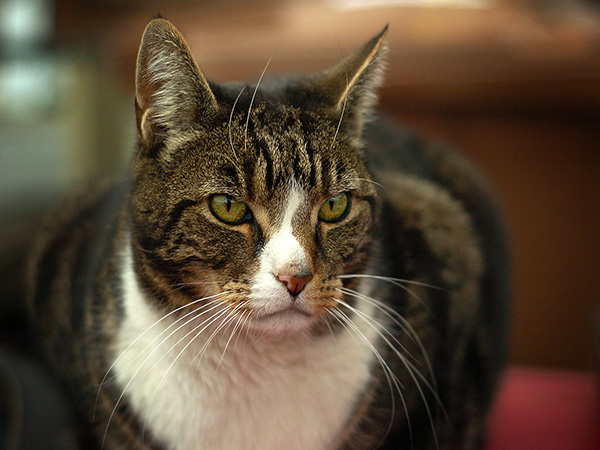
Cats are natural groomers, keeping their fur clean and sleek, but this habit can lead to hairballs—a common occurrence in felines. Hairballs, or trichobezoars, form when ingested fur accumulates in the stomach. Most of the time, they are harmless, but frequent or severe hairball issues can indicate an underlying health concern. Understanding why hairballs occur, when to worry, and how to prevent them is essential for your cat’s health and comfort.
What Are Hairballs?
Hairballs are clumps of swallowed fur coated in mucus that accumulate in the stomach. Cats’ tongues have tiny backward-facing barbs, which help remove loose hair during grooming. While much of the ingested hair passes through the digestive tract, some may form cylindrical hairballs expelled through vomiting. Occasional hairballs are normal, but excessive vomiting or difficulty passing hairballs may signal health problems that require veterinary attention.
Why Do Cats Get Hairballs?
Several factors contribute to hairball formation:
When to Be Concerned
While occasional hairballs are normal, certain signs warrant veterinary care:
Preventive measures can reduce hairball frequency and improve your cat’s comfort:
Hairballs are a normal part of cat life, but monitoring frequency, consistency, and accompanying symptoms is crucial. Regular grooming, proper hydration, and hairball-specific products can help minimize problems. If you notice persistent vomiting, unusual behavior, or difficulty passing hairballs, consult your veterinarian promptly. Taking proactive steps ensures your feline companion stays healthy, comfortable, and happy, while reducing the risk of complications associated with hairballs.
What Are Hairballs?
Hairballs are clumps of swallowed fur coated in mucus that accumulate in the stomach. Cats’ tongues have tiny backward-facing barbs, which help remove loose hair during grooming. While much of the ingested hair passes through the digestive tract, some may form cylindrical hairballs expelled through vomiting. Occasional hairballs are normal, but excessive vomiting or difficulty passing hairballs may signal health problems that require veterinary attention.
Why Do Cats Get Hairballs?
Several factors contribute to hairball formation:
- Ingesting fur: Grooming naturally causes cats to swallow loose hair.
- Seasonal shedding: Heavy shedding periods increase hairball risk.
- Long-haired breeds: Cats with long fur are more prone to hairballs.
When to Be Concerned
While occasional hairballs are normal, certain signs warrant veterinary care:
- Frequent vomiting: Vomiting hairballs more than once a month or increased frequency may indicate a problem.
- No hairball production: A sudden stop in hairball expulsion could signal digestive obstruction.
- Additional symptoms: Lethargy, loss of appetite, diarrhea, or abdominal pain alongside hairballs require prompt attention.
- Blocked hairballs: Unsuccessful vomiting or hairballs lodged in the throat/digestive tract can cause blockages and need immediate care.
Preventive measures can reduce hairball frequency and improve your cat’s comfort:
- Regular grooming: Brushing removes loose fur, reducing ingestion.
- Hairball remedies: Lubricating gels, specialized foods, or supplements can help hair pass through the digestive system.
- Hydration: Fresh water encourages smoother digestion.
- Dietary fiber: Adding fiber, under veterinary guidance, can help move ingested hair more efficiently.
Hairballs are a normal part of cat life, but monitoring frequency, consistency, and accompanying symptoms is crucial. Regular grooming, proper hydration, and hairball-specific products can help minimize problems. If you notice persistent vomiting, unusual behavior, or difficulty passing hairballs, consult your veterinarian promptly. Taking proactive steps ensures your feline companion stays healthy, comfortable, and happy, while reducing the risk of complications associated with hairballs.