
Why Choose Perennial Vegetables?
When planning your garden, consider perennial vegetables for a smart, low-maintenance way to enjoy fresh produce year after year. Unlike annual vegetables that need replanting every season, perennials come back reliably, saving you time and effort while helping improve soil health through reduced disturbance.
Top Perennial Vegetables for Your Garden
Asparagus (Asparagus officinalis)
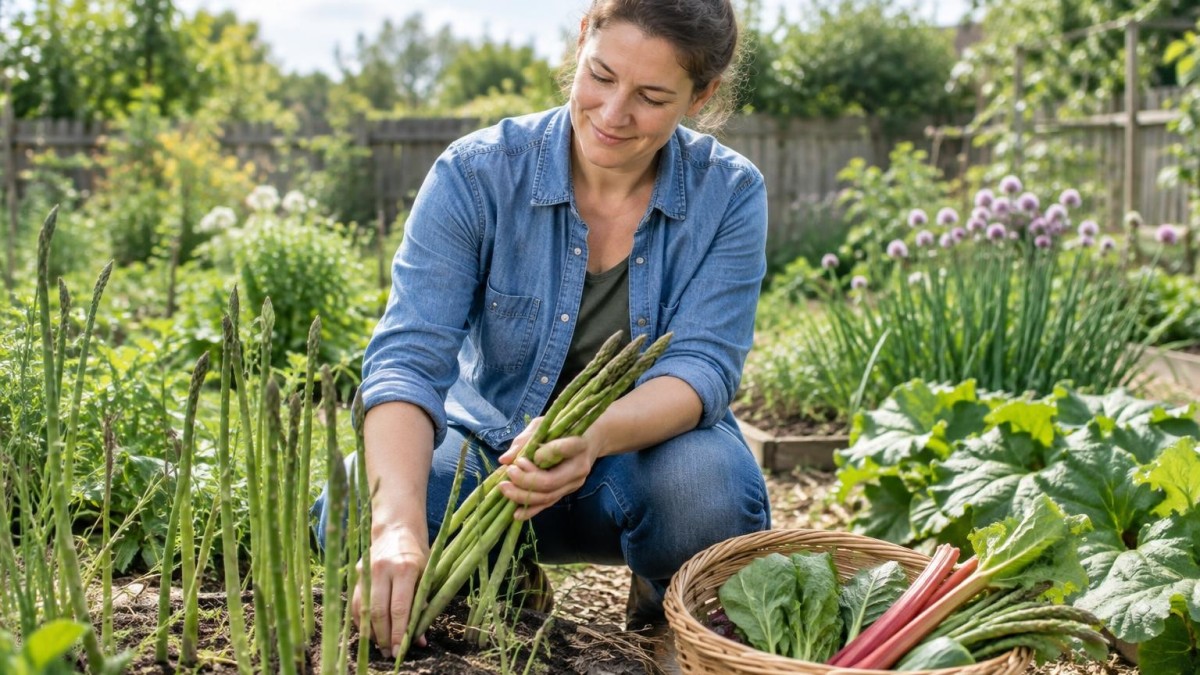
Asparagus is a beloved perennial that can yield tender spears for 15 to 20 years. Although it requires a couple of years to establish, the long-term harvest rewards your patience. Plant crowns in sunny, fertile, well-drained soil, keep weeds at bay, and maintain consistent moisture. Annual compost additions will keep your asparagus thriving season after season.
Rhubarb (Rheum rhabarbarum)
Known for its tart stalks used in pies and jams, rhubarb is a hardy perennial thriving in cooler climates and can produce for a decade or more. Plant in full sun to partial shade with rich, well-drained soil, provide regular watering, and enrich with compost or organic fertilizer. Removing flower stalks helps focus energy on growing large, flavorful stalks.
Jerusalem Artichoke (Helianthus tuberosus)
Also called sunchokes, these tall perennials produce edible tubers with a nutty taste. They prefer full sun and loose, well-drained soil. Since they spread vigorously, it’s best to grow them in a dedicated area or raised bed. Harvest tubers in late fall or early winter after the tops die back.
Sorrel (Rumex acetosa)
This leafy green adds a bright, lemony note to salads and sauces. Sorrel grows quickly in spring, often delivering an early harvest. It’s adaptable to various soils and grows well in partial shade or full sun. Frequent harvesting encourages fresh growth and prolongs its productivity.
Egyptian Walking Onions (Allium proliferum)
These unique onions form small bulbs called topsets at the stalk top, which bend and plant themselves nearby, letting the patch spread naturally. They do well in sunny or partially shaded spots with well-drained soil. You can harvest the topsets, green shoots, and underground bulbs, adding versatility to your garden.
Benefits Beyond the Harvest
Growing perennial vegetables not only reduces planting workload and costs but also supports sustainable gardening by preserving soil structure and beneficial microbiology. With less tilling and fewer annual inputs, your garden becomes healthier and more productive over time.
Adding long-lasting perennials like asparagus, rhubarb, sorrel, sunchokes, and walking onions can transform your garden into a reliable, flavorful, and easier-to-maintain food source for years to come.
Newsletter Station provides professionally written, ready-to-send newsletters customized for your market and brand.
EXPLORE NEWSLETTER OPTIONS