
FEATURE ARTICLE
How to Prepare Your Property for an Insurance Inspection
Mar 11, 2026
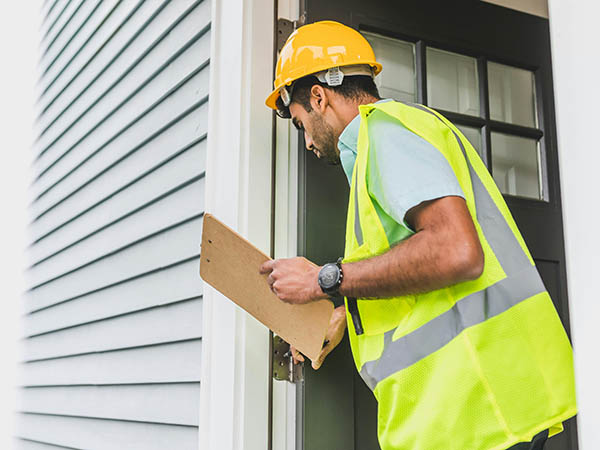
Owning a home or commercial property comes with many responsibilities, and maintaining adequate insurance coverage is one of the most important. Insurance companies often require inspections to evaluate a property's condition, assess risk, and determine coverage eligibility and premium rates.
A property inspection may sound intimidating, but with a little preparation, the process can be quick and stress-free. Taking time to address maintenance issues and organize documentation ahead of time can also help demonstrate that your property is well cared for—something insurers appreciate when assessing risk.
Here are practical steps to help you prepare your property for a successful insurance inspection.
Preparing your property for an insurance inspection doesn’t have to be complicated. By taking proactive steps—such as fixing minor repairs, organizing documentation, and confirming safety features—you can make the process smoother and more efficient.
A well-maintained property not only improves inspection outcomes but also helps protect your investment for years to come.
A property inspection may sound intimidating, but with a little preparation, the process can be quick and stress-free. Taking time to address maintenance issues and organize documentation ahead of time can also help demonstrate that your property is well cared for—something insurers appreciate when assessing risk.
Here are practical steps to help you prepare your property for a successful insurance inspection.
-
Perform Your Own Pre-Inspection
Before the official inspection, walk through your property and look for visible signs of damage or safety concerns. Check for:- Cracks in walls or foundations
- Water stains or leaks on ceilings and walls
- Damaged roofing materials
- Loose wiring or exposed electrical components
- Broken railings or uneven walkways
-
Organize Important Property Documents
Insurance inspectors may ask questions about the age, upgrades, or maintenance history of your property. Having documentation ready can help streamline the process.
Helpful documents include:- Building permits
- Renovation or remodeling records
- Roofing replacement records
- HVAC installation paperwork
- Receipts for major repairs or improvements
-
Confirm Safety Features Are Installed and Working
Safety measures are a major factor in insurance evaluations. Inspectors will often check for devices that help prevent fire or other hazards.
Make sure your property includes:- Working smoke detectors
- Carbon monoxide detectors
- Fire extinguishers
- Properly functioning security systems or alarms
-
Maintain the Roof and Exterior
The exterior of your property is often the first thing an inspector evaluates. Roof condition, drainage, and structural integrity all play a role in assessing risk.
Check for:- Missing or curling shingles
- Damaged flashing around chimneys or vents
- Clogged gutters or downspouts
- Overhanging tree branches near the roof
-
Check Plumbing and Electrical Systems
Plumbing leaks and outdated electrical systems are common red flags during inspections. Addressing these problems early can help avoid potential concerns.
Look for:- Dripping faucets or leaking pipes
- Slow drains or clogged plumbing
- Exposed or frayed electrical wiring
- Overloaded outlets or outdated breaker panels
-
Document Upgrades and Renovations
Recent improvements to your property can positively impact insurance evaluations. Upgrades that reduce risk or improve safety may even help lower premiums.
Be sure to document projects such as:- New roofing installations
- Updated electrical or plumbing systems
- HVAC system replacements
- Kitchen or bathroom remodels
- Security or fire protection upgrades
-
Clean and Declutter the Property
A clean, organized property makes the inspection process easier and more efficient. While cleanliness doesn’t directly impact insurance coverage, it helps inspectors access key areas without obstacles.
Make sure to:- Clear pathways and hallways
- Remove clutter from utility areas and basements
- Ensure access to attics, crawl spaces, and mechanical systems
-
Be Available During the Inspection
While not always required, being present during the inspection can be helpful. You can answer questions, provide documentation, and explain recent upgrades or maintenance.
Your presence can also help the inspector easily access areas such as electrical panels, water heaters, and attics. -
Review Your Insurance Coverage
An inspection is a good opportunity to review your current insurance policy. Consider whether your coverage limits reflect your property's current value and any recent upgrades.
If you’re unsure, speak with your insurance agent about possible adjustments, additional protection options, or potential discounts. -
Follow Up After the Inspection
After the inspection is completed, your insurer may provide recommendations or required repairs. Addressing these issues promptly can help maintain coverage and reduce potential risks.
Following up with your insurance provider ensures that your property remains fully protected and compliant with policy requirements.
Preparing your property for an insurance inspection doesn’t have to be complicated. By taking proactive steps—such as fixing minor repairs, organizing documentation, and confirming safety features—you can make the process smoother and more efficient.
A well-maintained property not only improves inspection outcomes but also helps protect your investment for years to come.