
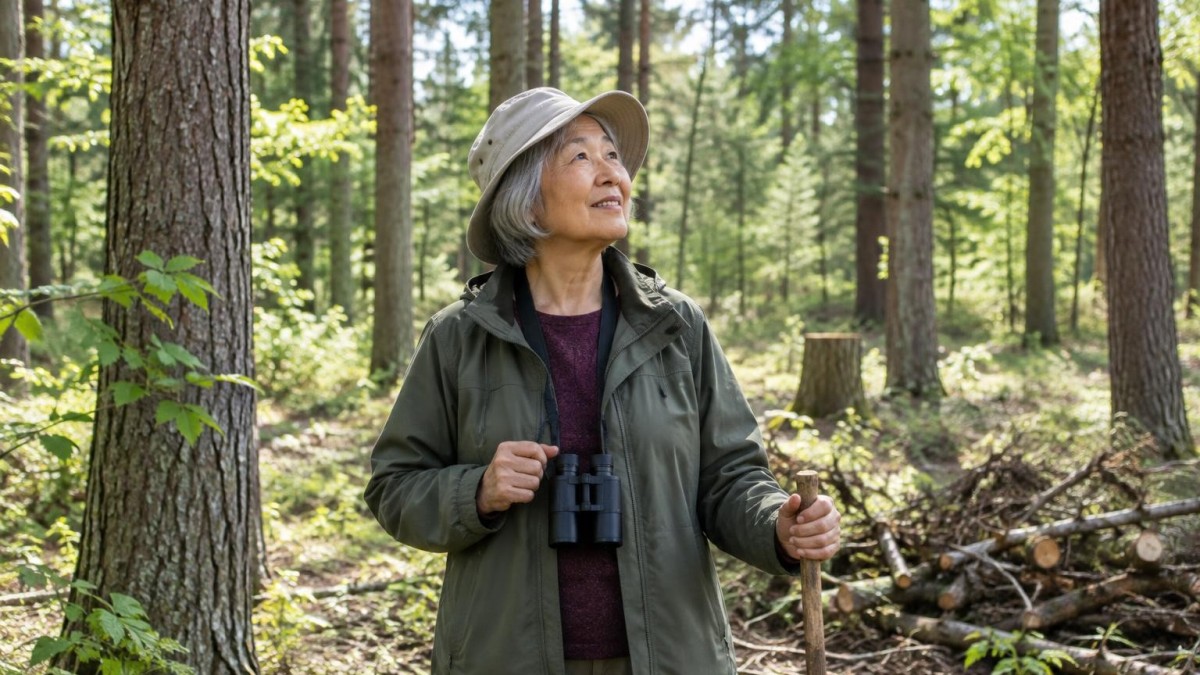
Why Thinning Matters
Dense forests are captivating landscapes loved by many, but when trees grow too close, overcrowding can hinder their health. Trees compete for sunlight, water, and nutrients, which slows their growth and weakens their defenses against pests, diseases, and storms.
Assess and Plan Carefully
Before thinning, take a close look at your forest. Note the species present, their ages, and how they’re spaced. Look for trees that are thin, leaning, or struggling to thrive. Decide your goals—whether it’s boosting forest health, improving wildlife habitats, or enhancing timber quality—to guide which trees should stay or go.
Selective Tree Removal
The best approach is selective thinning. Remove trees that are diseased, damaged, overcrowded, or not likely to grow well. This focus helps the strongest trees grow fuller, develop robust trunks, and become more resilient.
Maintain Proper Spacing and Look Ahead
Healthy spacing is key. While spacing depends on species, generally aim for 10 to 20 feet apart between mature canopy trees. Think about how your forest will grow in the coming years—make sure trees have room to expand and sunlight can reach the forest floor, encouraging beneficial plants and wildlife.
Protect Your Environment
Be mindful of surrounding habitats during thinning. Avoid disturbing sensitive areas like wetlands and stream banks. If machinery is needed, use it during dry or frozen conditions to prevent soil compaction. Leaving some deadwood around can provide valuable shelter for birds and small animals.
Put Removed Trees to Good Use
Don't waste the trees you remove. Larger logs can become firewood, mulch, fence posts, or woodworking projects. Smaller branches create habitat piles that support wildlife, turning your management efforts into benefits for the ecosystem.
Ongoing Stewardship
Thinning is not a one-time fix but part of long-term care. Monitor your forest regularly to see how trees respond. Stronger growth and fuller canopies signal success, and future thinning may be needed to keep your woodland thriving.
Thoughtful thinning supports healthier, more diverse forests that look beautiful and sustain wildlife. With careful planning and care, your forest can stay vibrant and productive for years to come.
Newsletter Station provides professionally written, ready-to-send newsletters customized for your market and brand.
EXPLORE NEWSLETTER OPTIONS