
FEATURE ARTICLE
How to Paint with Dark Colors: Tips for a Bold, Beautiful Finish
Mar 11, 2026
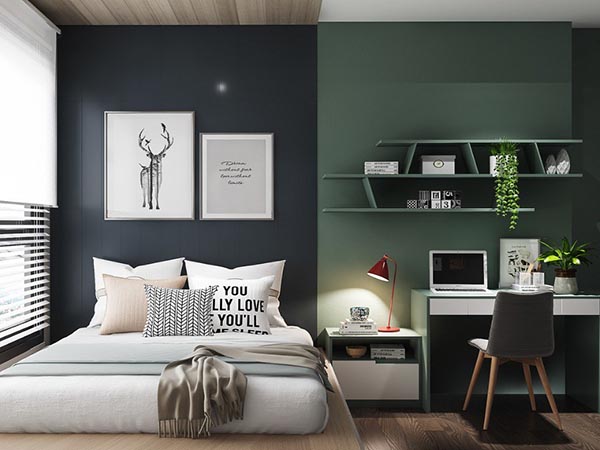
Dark paint colors have become increasingly popular in modern home design. Deep shades such as navy, charcoal, forest green, and rich burgundy can add drama, elegance, and a sense of sophistication to a room. When used thoughtfully, darker tones can create cozy spaces, highlight architectural details, and make décor elements stand out.
However, painting with dark colors requires careful preparation and the right techniques to achieve a smooth, professional-looking finish. Without proper planning, dark paint can appear streaky, uneven, or overwhelming in a space. The following tips will help you successfully use dark paint colors to create a balanced, stylish interior.
Painting with dark colors can completely transform the look and feel of a room. With proper preparation, quality materials, and thoughtful design choices, dark paint can add depth, elegance, and personality to your home.
Whether you're creating a cozy reading room, a dramatic dining space, or a sophisticated living area, dark paint colors offer a powerful design tool that can elevate any interior space.
However, painting with dark colors requires careful preparation and the right techniques to achieve a smooth, professional-looking finish. Without proper planning, dark paint can appear streaky, uneven, or overwhelming in a space. The following tips will help you successfully use dark paint colors to create a balanced, stylish interior.
-
Choose the Right Dark Paint Color
Selecting the right shade is the first and most important step. Dark colors vary widely in tone and undertones, which can dramatically affect how they appear in a room.
Popular dark paint choices include:- Deep navy blue
- Charcoal gray
- Forest or olive green
- Rich burgundy
- Matte black or deep espresso
Sampling also helps ensure the color complements your flooring, furniture, and overall design style. -
Prepare the Walls Properly
Preparation is essential for achieving a smooth and even paint finish, especially when working with darker shades that highlight imperfections.
Start by:- Cleaning walls to remove dust, grease, and residue
- Filling nail holes or cracks with spackling compound
- Sanding rough areas for a smooth surface
- Wiping walls clean after sanding
Taking time to prepare properly will help prevent uneven coverage and visible surface flaws. -
Use a High-Quality Primer
Priming is one of the most important steps when painting with dark colors. A good primer helps create a uniform base that allows dark paint to appear richer and more consistent.
Many professional painters recommend using a tinted primer, especially when covering lighter walls with darker shades. This can reduce the number of paint coats needed while improving coverage.
Allow the primer to dry completely before applying your paint for the best results. -
Invest in High-Quality Paint
When it comes to dark colors, quality paint makes a noticeable difference. Premium paints generally offer better pigment concentration, smoother application, and longer-lasting durability.
Look for paint products that offer:- High coverage or “one-coat” technology
- Washable finishes for easy maintenance
- Built-in stain resistance
- Durable finishes for high-traffic areas
-
Apply Multiple Thin Coats
Dark colors often require multiple coats to achieve full, even coverage. Instead of applying thick layers, apply two to three thin coats of paint.
Allow each coat to dry fully before adding another. This prevents streaking and helps the color develop its full depth.
Using a high-quality roller and angled brush can also help create a smoother finish, particularly around edges and corners. -
Consider Lighting Carefully
Lighting plays a major role in how dark paint colors appear in a room. Without proper lighting, dark walls can make a space feel smaller or overly dim.
To balance darker tones, consider adding:- Layered lighting with overhead fixtures, lamps, and sconces
- Warm-toned bulbs to create a cozy atmosphere
- Accent lighting to highlight artwork or architectural details
-
Balance Dark Walls with Lighter Elements
Contrast is key when decorating with dark paint colors. Incorporating lighter design elements helps create visual balance and prevents the room from feeling closed in.
Some effective ways to add contrast include:- White or light-colored trim
- Neutral furniture
- Light rugs or flooring
- Bright artwork or décor
-
Focus on Clean Edges and Details
Dark paint colors can make imperfections more noticeable, so paying attention to details is especially important.
Use painter’s tape to protect trim, ceilings, and adjacent walls. Take extra care when cutting in along edges to ensure clean, sharp lines.
Careful attention to these finishing touches can make the difference between a DIY appearance and a polished, professional result.
Painting with dark colors can completely transform the look and feel of a room. With proper preparation, quality materials, and thoughtful design choices, dark paint can add depth, elegance, and personality to your home.
Whether you're creating a cozy reading room, a dramatic dining space, or a sophisticated living area, dark paint colors offer a powerful design tool that can elevate any interior space.