
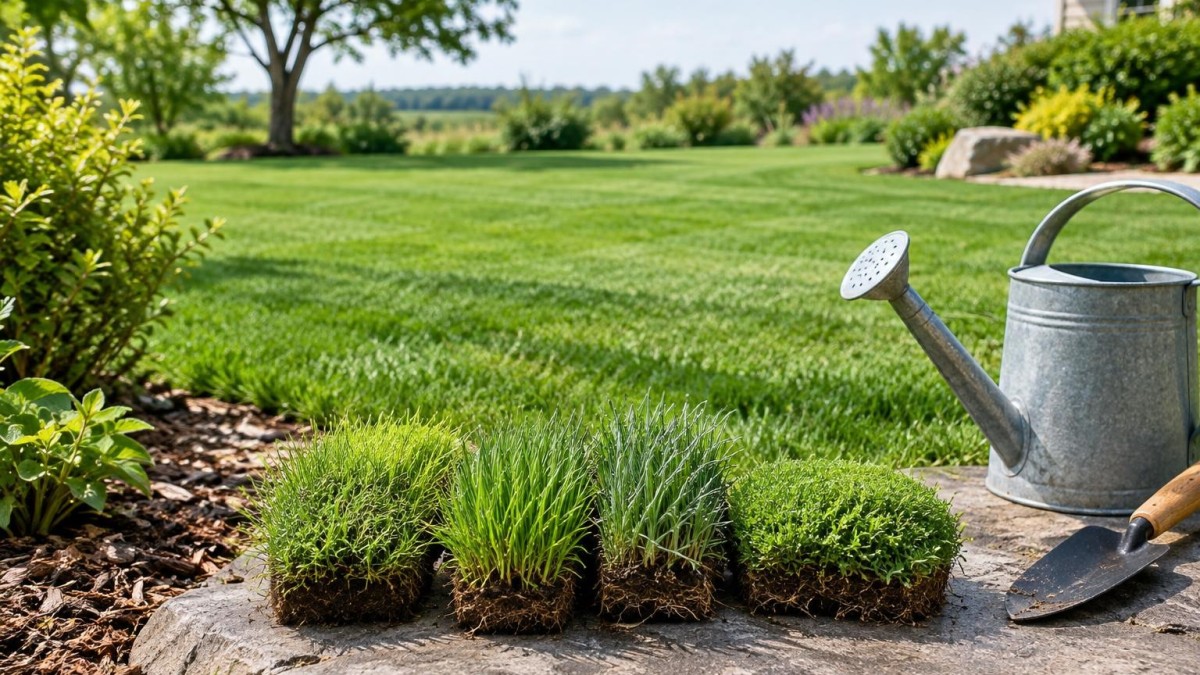
Eco-Friendly Turf Choices for Your Lawn
A lush, green lawn is often seen as a sign of care and pride for a property, but traditional lawn upkeep can strain the environment with excessive water use, chemical fertilizers, and frequent mowing. Fortunately, selecting the right turfgrass varieties can help you maintain a beautiful lawn while reducing environmental impact.
Low-Maintenance, Sustainable Turf Options
Some turf species naturally require less water, fertilizer, and mowing, making them great eco-friendly choices. Fine fescue, a group of cool-season grasses including creeping red, chewings, and hard fescue, thrives in shade and cooler climates with minimal irrigation and fertilizer needs. Its slow growth means less frequent mowing.
Buffalograss, native to the North American Great Plains, is a drought-tolerant warm-season grass that does well in hot, dry environments. It forms a dense, low-growing turf that limits watering and mowing, making it ideal for water-conscious landscapes.
Zoysia grass offers durability and a thick growth pattern that crowds out weeds naturally, reducing herbicide use. Its slow growth also cuts down on mowing, and it handles heat, drought, and foot traffic well.
Tall fescue features deep roots that help it stay green during dry spells, with newer varieties providing better density and disease resistance. This cool-season grass is sturdy and requires less watering than many traditional lawns.
Seashore paspalum thrives in coastal or salty conditions where freshwater is limited. Its salt tolerance and adaptability to sandy soils make it increasingly popular for environmentally mindful landscaping.
Choosing the Best Grass for Your Area
Climate, soil, sunlight, and maintenance goals should guide your selection. Cool-season grasses like fine fescue and tall fescue suit northern regions, while buffalograss, zoysia, and seashore paspalum prefer warmer climates.
Beyond grass choice, you can boost sustainability by adopting eco-friendly lawn care habits such as deep, infrequent watering; leaving grass clippings to nourish the soil; reducing chemical fertilizers through soil testing; and mowing at appropriate heights to encourage strong roots.
Creating a Lawn That’s Beautiful and Better for the Planet
Your lawn can be a vibrant green space that conserves water, limits chemical use, and reduces maintenance efforts. By choosing sustainable grasses and thoughtful care routines, you support a healthier environment while enjoying the lush lawn look you want.
Newsletter Station provides professionally written, ready-to-send newsletters customized for your market and brand.
EXPLORE NEWSLETTER OPTIONS