
Know the Legal Rules First
Before you do anything with a broken firearm, it's vital to understand the laws that apply where you live. Firearm disposal rules can differ quite a bit depending on your state, county, or city. Some areas require you to hand over the gun to law enforcement or licensed dealers, while others might have different options. Checking these regulations in advance or getting advice from a trusted professional helps avoid unintentional legal trouble.
Turn It In to Law Enforcement
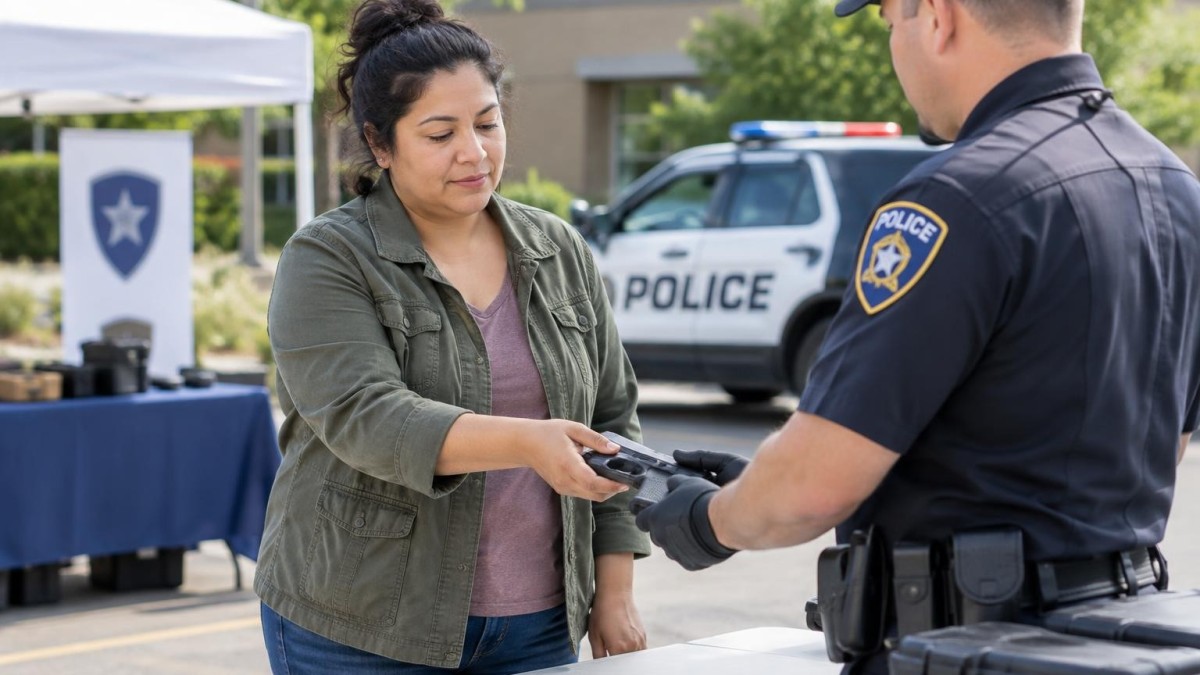
One of the safest and most straightforward ways to dispose of a broken firearm is through your local police department. Many departments have firearm surrender programs or can guide you on the safest way to hand over your firearm. They might arrange a specific drop-off time or provide instructions for transporting the gun securely. This ensures the firearm is removed responsibly and won’t fall into the wrong hands.
Use Gun Buyback Programs
Gun buyback events are often held by law enforcement or local governments to reduce unwanted firearms in the community. These programs usually accept firearms safely and anonymously—even those that are broken or no longer work. In return, participants may receive compensation like gift cards. Such initiatives help promote public safety by taking firearms out of circulation.
Get Help from Licensed Dealers or Gunsmiths
Licensed firearm dealers and gunsmiths can assist you with disposal options. Sometimes, parts from a broken firearm can be repaired, recycled, or safely dismantled. These experts know the legal steps for handling firearms and can help you determine if your gun has any repair value or should be destroyed entirely. Their professional guidance ensures the process is compliant with laws and safe for everyone.
Have the Firearm Rendered Inoperable Professionally
If surrendering or selling your broken firearm isn’t an option, a gunsmith can permanently disable it. This involves removing or modifying key components so the gun can't function. Because firearms are complex and potentially dangerous, this should only be done by a qualified professional and never at home. Rendering the gun inoperable helps prevent misuse and ensures it can't be fired again.
Consider Donation for Historical or Educational Purposes
Some broken firearms, especially older models, might have historical or educational value. Museums, historical organizations, or schools sometimes accept such firearms for exhibit or study. If you're interested in donating, contact these organizations first to make sure they accept firearms and to follow all legal requirements involved.
When in Doubt, Ask the Experts
Disposing of a firearm safely and legally can feel complicated, so don’t hesitate to seek professional advice. Licensed dealers, gunsmiths, or attorneys knowledgeable about firearm laws can provide personalized guidance based on your location and situation. Their expertise helps you handle the disposal responsibly and without risk.
Properly disposing of a broken firearm protects you, your community, and upholds responsible gun ownership. Whether you surrender it to law enforcement, participate in a buyback, work with professionals, or consider donation, taking these steps ensures your firearm is handled with safety and respect.
Newsletter Station provides professionally written, ready-to-send newsletters customized for your market and brand.
EXPLORE NEWSLETTER OPTIONS