
FEATURE ARTICLE
Why Tire Pressure Drops in Cold Weather (and How to Manage It Safely)
Mar 11, 2026
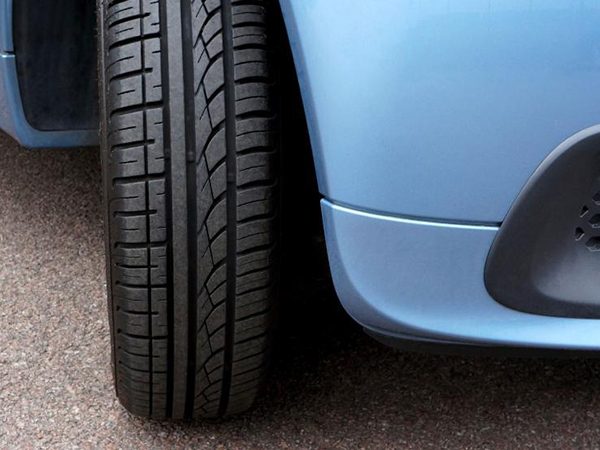
Have you ever noticed your car’s tire pressure warning light appearing during the colder months? You’re not imagining it. Many drivers experience a drop in tire pressure when temperatures fall, and it’s a normal result of how air behaves in cold weather.
While it may seem like a minor issue, maintaining proper tire pressure is essential for safe driving, optimal fuel efficiency, and tire longevity. Understanding why tire pressure decreases in cold weather—and how to manage it—can help keep your vehicle performing safely throughout the winter months.
The Science Behind Tire Pressure Changes
Tire pressure is measured in pounds per square inch (PSI), which reflects the force of the air inside the tire pressing against the tire walls. The amount of pressure inside the tire depends largely on temperature.
Allowing tire pressure to remain too low can create several problems that affect both safety and vehicle performance.
Underinflated tires increase rolling resistance, meaning your engine must work harder to move the vehicle. Even a few PSI below the recommended pressure can reduce fuel efficiency and increase fuel costs.
Tips for Managing Tire Pressure in Cold Weather
Fortunately, keeping your tires properly inflated during winter is simple with a few proactive habits.
Check Tire Pressure Regularly
During colder months, check your tire pressure at least once a month and before long trips. Many drivers check more frequently when temperatures fluctuate dramatically.
Follow the Manufacturer’s Recommended PSI
Always use the recommended tire pressure listed on the sticker inside the driver’s door jamb or in the owner’s manual. This number is specific to your vehicle and is different from the maximum PSI printed on the tire itself.
Measure Pressure When Tires Are Cold
For the most accurate reading, check tire pressure in the morning or after the car has been parked for several hours. Driving warms the air inside the tires and can temporarily raise the pressure.
Add Air as Temperatures Drop
If pressure falls below the recommended level, add air to bring it back to the correct PSI. Keeping a portable tire inflator or visiting a local service station can make this quick and easy.
Consider Seasonal Tires in Cold Climates
If you live in an area with frequent snow and ice, switching to winter tires can improve traction and control. Winter tires use special rubber compounds and tread designs that perform better in cold conditions.
Stay Safe on the Road This Winter
Cold temperatures naturally cause tire pressure to drop, but staying aware of the change can help prevent bigger problems. Regularly checking your tire pressure, inflating to the proper PSI, and monitoring seasonal temperature changes will help keep your vehicle safe and efficient.
A few minutes spent checking your tires can improve traction, extend tire life, and even save money on fuel—making it one of the simplest ways to prepare your car for winter driving.
While it may seem like a minor issue, maintaining proper tire pressure is essential for safe driving, optimal fuel efficiency, and tire longevity. Understanding why tire pressure decreases in cold weather—and how to manage it—can help keep your vehicle performing safely throughout the winter months.
The Science Behind Tire Pressure Changes
Tire pressure is measured in pounds per square inch (PSI), which reflects the force of the air inside the tire pressing against the tire walls. The amount of pressure inside the tire depends largely on temperature.
-
Temperature and Gas Laws
The relationship between temperature and air pressure is explained by basic physics, specifically the ideal gas law. When the air temperature drops, the air molecules inside the tire slow down and exert less force on the tire walls.
As a general rule, tire pressure decreases by about 1 PSI for every 10°F drop in temperature. For example, if temperatures fall from 70°F to 30°F, your tire pressure could drop by roughly 4 PSI—enough to trigger many modern tire pressure monitoring systems (TPMS). -
Air Density and Molecular Movement
Cold air is denser than warm air. As temperatures decrease, the air molecules inside the tire move more slowly and occupy less space. This reduces the overall pressure inside the tire even though the tire itself hasn’t lost air through a leak.
This natural pressure change is why tire pressure issues often appear suddenly when the first cold snap of the season arrives.
Allowing tire pressure to remain too low can create several problems that affect both safety and vehicle performance.
-
Underinflated Tires
When pressure drops below recommended levels, tires become underinflated. This can cause the tire sidewalls to flex more than intended, which increases heat buildup and stress on the tire structure. -
Reduced Traction
Underinflated tires may not grip the road properly, particularly in wet, icy, or snowy conditions. Reduced traction can increase stopping distances and make vehicles more prone to sliding. -
Uneven Tire Wear
Low pressure can cause tires to wear more heavily along the outer edges rather than evenly across the tread. Over time, this shortens your tires' lifespan and may lead to premature replacement.
Underinflated tires increase rolling resistance, meaning your engine must work harder to move the vehicle. Even a few PSI below the recommended pressure can reduce fuel efficiency and increase fuel costs.
Tips for Managing Tire Pressure in Cold Weather
Fortunately, keeping your tires properly inflated during winter is simple with a few proactive habits.
Check Tire Pressure Regularly
During colder months, check your tire pressure at least once a month and before long trips. Many drivers check more frequently when temperatures fluctuate dramatically.
Follow the Manufacturer’s Recommended PSI
Always use the recommended tire pressure listed on the sticker inside the driver’s door jamb or in the owner’s manual. This number is specific to your vehicle and is different from the maximum PSI printed on the tire itself.
Measure Pressure When Tires Are Cold
For the most accurate reading, check tire pressure in the morning or after the car has been parked for several hours. Driving warms the air inside the tires and can temporarily raise the pressure.
Add Air as Temperatures Drop
If pressure falls below the recommended level, add air to bring it back to the correct PSI. Keeping a portable tire inflator or visiting a local service station can make this quick and easy.
Consider Seasonal Tires in Cold Climates
If you live in an area with frequent snow and ice, switching to winter tires can improve traction and control. Winter tires use special rubber compounds and tread designs that perform better in cold conditions.
Stay Safe on the Road This Winter
Cold temperatures naturally cause tire pressure to drop, but staying aware of the change can help prevent bigger problems. Regularly checking your tire pressure, inflating to the proper PSI, and monitoring seasonal temperature changes will help keep your vehicle safe and efficient.
A few minutes spent checking your tires can improve traction, extend tire life, and even save money on fuel—making it one of the simplest ways to prepare your car for winter driving.