
FEATURE ARTICLE
How to Regrow a Tree from a Stump: A Practical Guide to Natural Regeneration
Mar 4, 2026
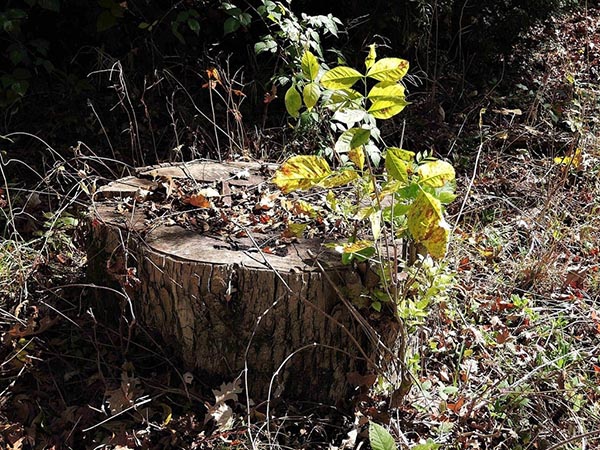
Nature has an incredible ability to renew itself—and one of the most fascinating examples is a tree regrowing from its stump. Whether a tree was removed due to storm damage, disease, landscaping changes, or routine property maintenance, new life may still be possible from what remains.
With the right approach, homeowners, property managers, and small landscaping businesses can encourage healthy stump regeneration and support sustainable land stewardship.
Understanding Tree Stump Regrowth (Coppicing and Stooling)
The process of regrowing a tree from a stump is known as coppicing or stooling. Many tree species naturally regenerate by producing new shoots from dormant buds located at the base of the trunk or within the root system.
When a tree is cut down, its root network often remains alive and continues storing energy. Under the right conditions, this stored energy fuels new growth. Instead of starting from a seedling, the regrowing tree benefits from an already established root system—often leading to faster early development.
Coppicing has been used for centuries in sustainable forestry and woodland management and remains a valuable technique in modern landscape restoration.
Best Tree Species for Stump Regrowth
Not all trees regenerate equally. Some species are particularly well-known for vigorous regrowth, including:
Before attempting stump regrowth, confirm that the species is suitable for your region and that the root system is disease-free.
Step-by-Step: How to Regrow a Tree from a Stump
When Regrowth May Not Be Ideal
In some cases—such as invasive species management, diseased trees, or infrastructure interference—complete stump removal may be necessary. Always evaluate safety concerns and local regulations before encouraging regrowth.
Regrowing a tree from a stump is a powerful reminder of nature’s resilience. With proper preparation, pruning, and ongoing care, you can transform what appears to be a leftover stump into a thriving tree once again.
Whether you’re restoring a wooded area, maintaining a commercial property, or enhancing your backyard landscape, encouraging natural regeneration supports sustainability, reduces costs, and strengthens your connection to the living environment around you.
With the right approach, homeowners, property managers, and small landscaping businesses can encourage healthy stump regeneration and support sustainable land stewardship.
Understanding Tree Stump Regrowth (Coppicing and Stooling)
The process of regrowing a tree from a stump is known as coppicing or stooling. Many tree species naturally regenerate by producing new shoots from dormant buds located at the base of the trunk or within the root system.
When a tree is cut down, its root network often remains alive and continues storing energy. Under the right conditions, this stored energy fuels new growth. Instead of starting from a seedling, the regrowing tree benefits from an already established root system—often leading to faster early development.
Coppicing has been used for centuries in sustainable forestry and woodland management and remains a valuable technique in modern landscape restoration.
Best Tree Species for Stump Regrowth
Not all trees regenerate equally. Some species are particularly well-known for vigorous regrowth, including:
- Willow
- Poplar
- Oak
- Eucalyptus
Before attempting stump regrowth, confirm that the species is suitable for your region and that the root system is disease-free.
Step-by-Step: How to Regrow a Tree from a Stump
-
Prepare the Stump Properly
Make sure the stump has a clean, level cut. Remove splintered wood, debris, or decaying material. A smooth surface helps protect against pests and disease while promoting even shoot development. -
Encourage Healthy Sprouting
While many species sprout naturally, keeping the stump consistently moist improves success rates—especially in dry climates. Some gardeners apply a light layer of compost around the base to boost nutrients. Rooting hormones are generally optional but may help in certain species. -
Select the Strongest Shoots
Multiple shoots will often emerge. To develop a single, sturdy tree, prune away weaker or crowded shoots, leaving one or two of the healthiest stems to become dominant leaders. -
Provide Ongoing Care
Mulch around the base to retain moisture and regulate soil temperature. Water during dry periods, and consider a balanced fertilizer if the soil quality is poor. Regular inspections help catch pests or fungal issues early. -
Be Patient
Stump regeneration is not instant. Depending on the species and environment, it can take several growing seasons for the new tree to establish its structural integrity. However, because the root system is already mature, early growth may be surprisingly vigorous.
- Sustainability: Reduces the need to plant new trees and minimizes soil disruption.
- Cost-Effective Landscaping: Saves money on replanting and labor.
- Erosion Control: Established roots help stabilize soil.
- Faster Initial Growth: Mature root systems support quicker shoot development.
When Regrowth May Not Be Ideal
In some cases—such as invasive species management, diseased trees, or infrastructure interference—complete stump removal may be necessary. Always evaluate safety concerns and local regulations before encouraging regrowth.
Regrowing a tree from a stump is a powerful reminder of nature’s resilience. With proper preparation, pruning, and ongoing care, you can transform what appears to be a leftover stump into a thriving tree once again.
Whether you’re restoring a wooded area, maintaining a commercial property, or enhancing your backyard landscape, encouraging natural regeneration supports sustainability, reduces costs, and strengthens your connection to the living environment around you.