
FEATURE ARTICLE
How to Choose the Right Mulch for a Healthier, More Beautiful Garden
Mar 4, 2026
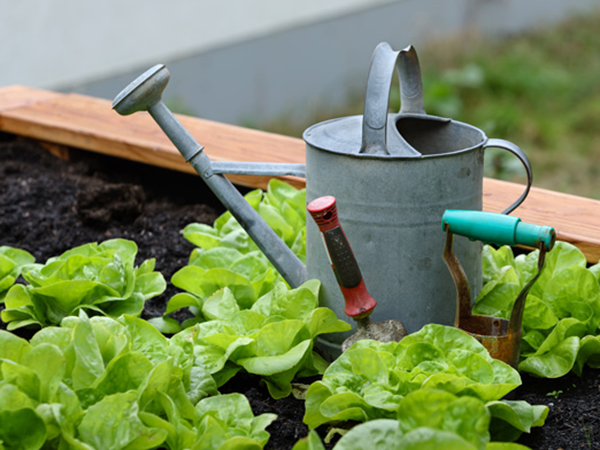
Mulch may not always get the spotlight, but it plays a critical role in successful gardening and landscaping. The right mulch improves soil health, conserves water, suppresses weeds, and enhances the overall appearance of your garden beds.
With so many mulch options available today—organic, inorganic, decorative, and functional—choosing the best one can feel overwhelming. This guide will help you select the right mulch for your garden’s needs, climate, maintenance goals, and budget.
Start by Understanding Your Garden’s Needs
Before selecting mulch, evaluate your specific growing conditions. Consider:
Organic vs. Inorganic Mulch: What’s the Difference?
Organic Mulch
Examples include wood chips, bark, shredded leaves, compost, pine needles, and straw.
Benefits:
Inorganic Mulch
Examples include gravel, stone, rubber mulch, and landscape fabric.
Benefits:
Weed Control Performance
One of mulch’s biggest advantages is weed suppression. A 2–3 inch layer of mulch blocks sunlight, preventing weed seeds from germinating.
Organic mulches effectively smother weeds, but must be applied correctly to avoid introducing weed seeds. Inorganic option, such as landscape fabric combined with gravel, provides strong, long-term weed control—especially in high-traffic or decorative areas.
Moisture Retention and Water Conservation
With water conservation becoming increasingly important, mulch plays a key role in reducing evaporation.
Organic mulches absorb moisture and release it slowly, helping soil stay consistently hydrated during hot weather. Even inorganic mulches create a protective barrier that reduces water loss and regulates soil temperature.
For regions experiencing drought conditions, mulch is one of the most cost-effective ways to protect plants and reduce irrigation needs.
Aesthetic Appeal and Curb Appeal
Mulch isn’t just functional—it enhances curb appeal. Dark bark mulch can create a rich contrast against green foliage, while lighter pine straw offers a natural, rustic look. Gravel and decorative stones provide a modern, polished finish often used in commercial landscaping.
Choose a color and texture that complements your property’s overall design and branding if you’re maintaining a business landscape.
Longevity, Maintenance, and Cost
Organic mulch typically requires refreshing once a year as it decomposes. While this adds maintenance, it also improves soil health over time.
Inorganic mulch lasts longer and requires less upkeep, making it attractive for business owners or property managers seeking low-maintenance solutions.
From a cost perspective:
Whether you’re managing a home garden or maintaining a professional landscape, the right mulch creates healthier soil, stronger plants, and a more polished outdoor space for years to come.
With so many mulch options available today—organic, inorganic, decorative, and functional—choosing the best one can feel overwhelming. This guide will help you select the right mulch for your garden’s needs, climate, maintenance goals, and budget.
Start by Understanding Your Garden’s Needs
Before selecting mulch, evaluate your specific growing conditions. Consider:
- Soil type (sandy, clay, loamy)
- Local climate and rainfall patterns
- Sun exposure
- Plant varieties (annuals, perennials, shrubs, vegetables)
- Irrigation methods
Organic vs. Inorganic Mulch: What’s the Difference?
Organic Mulch
Examples include wood chips, bark, shredded leaves, compost, pine needles, and straw.
Benefits:
- Breaks down over time, enriching the soil with nutrients
- Improves soil structure and microbial activity
- Enhances moisture retention
- Supports sustainable gardening practices
- Needs replenishing annually or biannually
- Can attract pests if applied too thickly
Inorganic Mulch
Examples include gravel, stone, rubber mulch, and landscape fabric.
Benefits:
- Long-lasting and low maintenance
- Excellent for weed control
- Doesn’t decompose or require frequent replacement
- Does not improve soil fertility
- Can retain heat, which may stress some plants
Weed Control Performance
One of mulch’s biggest advantages is weed suppression. A 2–3 inch layer of mulch blocks sunlight, preventing weed seeds from germinating.
Organic mulches effectively smother weeds, but must be applied correctly to avoid introducing weed seeds. Inorganic option, such as landscape fabric combined with gravel, provides strong, long-term weed control—especially in high-traffic or decorative areas.
Moisture Retention and Water Conservation
With water conservation becoming increasingly important, mulch plays a key role in reducing evaporation.
Organic mulches absorb moisture and release it slowly, helping soil stay consistently hydrated during hot weather. Even inorganic mulches create a protective barrier that reduces water loss and regulates soil temperature.
For regions experiencing drought conditions, mulch is one of the most cost-effective ways to protect plants and reduce irrigation needs.
Aesthetic Appeal and Curb Appeal
Mulch isn’t just functional—it enhances curb appeal. Dark bark mulch can create a rich contrast against green foliage, while lighter pine straw offers a natural, rustic look. Gravel and decorative stones provide a modern, polished finish often used in commercial landscaping.
Choose a color and texture that complements your property’s overall design and branding if you’re maintaining a business landscape.
Longevity, Maintenance, and Cost
Organic mulch typically requires refreshing once a year as it decomposes. While this adds maintenance, it also improves soil health over time.
Inorganic mulch lasts longer and requires less upkeep, making it attractive for business owners or property managers seeking low-maintenance solutions.
From a cost perspective:
- Organic mulch may be less expensive upfront,t but requires regular replacement.
- Inorganic mulch costs more initially but may offer savings over time due to durability.
- Balancing short-term budget and long-term goals is key.
Whether you’re managing a home garden or maintaining a professional landscape, the right mulch creates healthier soil, stronger plants, and a more polished outdoor space for years to come.