
FEATURE ARTICLE
How Flooring Impacts Home Value: What Homeowners Should Know
Feb 25, 2026
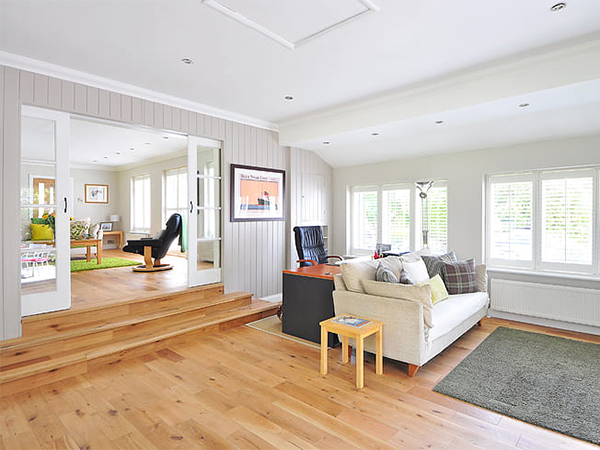
When evaluating ways to increase home value, many homeowners focus on kitchens, bathrooms, and curb appeal. However, flooring plays a powerful—and often underestimated—role in both resale value and buyer perception. The type, condition, and quality of your floors directly affect visual appeal, functionality, and overall marketability.
Whether you’re planning to sell soon or want to invest wisely in your property, choosing the right flooring can significantly enhance both comfort and financial return.
If you’re looking to maximize property value, don’t overlook what’s underfoot. The right flooring choice can elevate your space, attract more buyers, and strengthen your home’s long-term financial return.
Whether you’re planning to sell soon or want to invest wisely in your property, choosing the right flooring can significantly enhance both comfort and financial return.
-
First Impressions and Visual Appeal
Flooring is one of the first features buyers notice when they walk through the door. Worn carpet, scratched surfaces, or mismatched materials can instantly date a home. In contrast, modern, cohesive flooring creates a clean, updated look that increases perceived value.
Today’s most desirable flooring options include:- Hardwood flooring
- Engineered hardwood
- Luxury vinyl plank (LVP)
- Porcelain or ceramic tile
-
Durability and Everyday Functionality
Buyers look beyond appearance—they also want flooring that performs well under daily use. High-traffic areas such as kitchens, entryways, and living rooms benefit from durable materials that resist scratches, moisture, and stains.
Engineered hardwood and luxury vinyl flooring have become especially popular because they offer:- Water resistance
- Easy maintenance
- Strong wear layers
- Long lifespan
-
Energy Efficiency and Comfort
Energy-efficient upgrades are increasingly important to homebuyers. Certain flooring materials improve insulation and indoor comfort. Cork and bamboo, for example, offer natural insulating properties, while properly installed underlayment beneath hardwood or laminate can improve thermal performance.
Additionally, flooring choices that pair well with radiant heating systems are gaining attention in colder climates. Improved comfort and efficiency can subtly increase perceived value and buyer appeal. -
Market Demand and Buyer Preferences
Flooring trends evolve, but some materials consistently hold strong resale value. Hardwood flooring remains one of the most sought-after features in residential real estate. It’s often associated with quality craftsmanship and higher-end homes.
Luxury vinyl plank has also grown in popularity due to its affordability, water resistance, and realistic wood-look finishes. Homes featuring updated, low-maintenance flooring options often sell faster than those with dated materials.
Staying aligned with current buyer preferences can give your property a competitive edge. -
Return on Investment (ROI)
Flooring upgrades can deliver an impressive return on investment. While exact returns vary by market, real estate professionals consistently report strong ROI for hardwood installation and high-quality flooring replacements—often recouping a substantial percentage of the initial cost at resale.
Beyond direct financial return, updated flooring can:- Increase listing price
- Reduce time on market
- Minimize buyer negotiation requests
- Improve appraisal outcomes
-
Consistency and Professional Installation Matter
Value isn’t determined by material alone. Proper installation, seamless transitions between rooms, and consistent design choices significantly influence buyer perception. Poor installation or mismatched flooring can diminish the benefits of even high-end materials.
Hiring experienced professionals ensures longevity, performance, and a polished finish that enhances your home’s appeal.
If you’re looking to maximize property value, don’t overlook what’s underfoot. The right flooring choice can elevate your space, attract more buyers, and strengthen your home’s long-term financial return.