
FEATURE ARTICLE
How to Control Tree Size: Expert Tips for Healthy, Manageable Landscape Trees
Feb 25, 2026
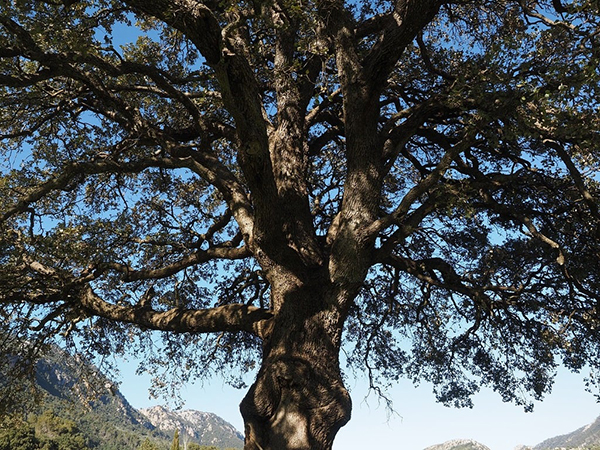
Trees are dynamic, living assets that add beauty, shade, and value to any property. However, without proper planning and maintenance, they can quickly outgrow their space. Learning how to control tree size is essential for protecting structures, maintaining safety, and promoting long-term tree health.
br> Whether you're managing ornamental trees in a small yard or fruit trees in a backyard orchard, proactive care can prevent costly problems down the road. Here’s how to keep your trees healthy, attractive, and appropriately sized.
Controlling tree size isn’t a one-time task—it’s an ongoing process. Regular inspections, seasonal pruning, and proactive planning keep trees structurally sound and visually appealing.
If you're unsure how to safely manage a large or mature tree, working with a certified arborist ensures proper care while reducing liability risks.
Managing tree size requires thoughtful species selection, early training, strategic pruning, and consistent care. When done correctly, size control improves safety, enhances curb appeal, and extends the life of your trees.
With proactive maintenance and informed decision-making, you can enjoy healthy, well-proportioned trees that complement your landscape for years to come.
br> Whether you're managing ornamental trees in a small yard or fruit trees in a backyard orchard, proactive care can prevent costly problems down the road. Here’s how to keep your trees healthy, attractive, and appropriately sized.
-
Choose the Right Tree for the Right Space
The most effective way to manage tree size begins before planting. Selecting the appropriate species for your available space helps avoid overcrowding and excessive pruning later.- Research mature height and canopy spread
- Consider root system size and growth rate
- Look for dwarf or slow-growing cultivars for small landscapes
- Account for overhead lines, sidewalks, and foundations
-
Start Pruning Early
Early structural pruning sets the foundation for healthy growth. Young trees are easier to shape, and minor corrections prevent larger structural issues later.
Focus on:- Establishing a strong central leader (if appropriate for the species)
- Removing weak, crossing, or competing branches
- Encouraging balanced canopy development
-
Practice Proper Pruning Techniques
Regular, strategic pruning is one of the most effective methods for controlling tree height and canopy spread.
Best practices include:- Pruning during the tree’s dormant season (late winter for most species)
- Removing dead, diseased, or damaged limbs
- Using thinning cuts instead of topping
-
Understand Species-Specific Growth Habits
Different tree species grow in unique ways. For example:- Conifers typically grow from terminal buds
- Many deciduous trees develop lateral branching
- Fruit trees benefit from annual shaping to encourage productivity
-
Use Thinning to Reduce Canopy Density
Crown thinning selectively removes interior branches to:- Improve airflow
- Increase sunlight penetration
- Reduce wind resistance
- Decrease overall canopy bulk
-
Manage Water and Fertilization Carefully
Excessive fertilizer—particularly high-nitrogen formulas—can stimulate rapid, unwanted growth. If tree size control is a priority:- Use slow-release or balanced fertilizers
- Avoid overwatering
- Monitor soil health before adding nutrients
-
Consider Root Management (With Caution)
Root pruning can slow growth in some cases, but it must be done carefully and typically by professionals. Improper root cutting can destabilize the tree or cause long-term damage.
If a tree is outgrowing its space due to root expansion, consult a certified arborist to assess safe options. -
Professional Growth Regulation
Certified arborists sometimes use plant growth regulators (PGRs) to slow canopy expansion. These treatments reduce shoot growth while maintaining overall health.
Because results vary by species and application timing, professional guidance is strongly recommended before pursuing chemical growth control methods.
Controlling tree size isn’t a one-time task—it’s an ongoing process. Regular inspections, seasonal pruning, and proactive planning keep trees structurally sound and visually appealing.
If you're unsure how to safely manage a large or mature tree, working with a certified arborist ensures proper care while reducing liability risks.
Managing tree size requires thoughtful species selection, early training, strategic pruning, and consistent care. When done correctly, size control improves safety, enhances curb appeal, and extends the life of your trees.
With proactive maintenance and informed decision-making, you can enjoy healthy, well-proportioned trees that complement your landscape for years to come.