
FEATURE ARTICLE
Designing with Color at Home: How Color Psychology Shapes Mood and Interior Design
Feb 25, 2026
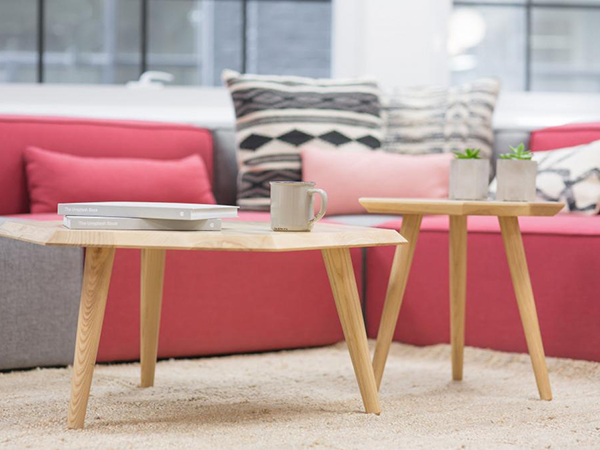
Color is far more than a decorative choice—it profoundly influences mood, perception, and the overall experience of a space. Thoughtful use of color in interior design can transform a room into a calming retreat, an energizing workspace, or a welcoming gathering area.
Modern interior design continues to embrace color psychology as homeowners and businesses seek environments that support emotional well-being and functionality. Whether you prefer bold statements or subtle neutrals, understanding how hues affect behavior helps create spaces that feel intentional and harmonious.
The Psychology of Color in Interior Design
Color psychology explores how different shades influence emotions and decision-making. While individual experiences and cultural backgrounds shape personal responses, general associations remain consistent.
Warm Tones: Energy and Social Connection
Reds, oranges, and yellows evoke warmth and vitality. These hues are excellent for spaces where interaction and activity occur, such as:
Cool Tones: Calm and Relaxation
Blues, greens, and purples promote tranquility and focus. They work well in:
Neutrals: Versatility and Timeless Appeal
Whites, grays, and earth tones provide a sophisticated foundation for interior design. Neutrals:
Applying Color Psychology in Your Home
Designing with intention requires more than selecting attractive shades. Consider these updated strategies for effective color use:
Interior design trends evolve, but timeless principles remain. Current preferences include:
Color shapes how we experience our surroundings. By understanding its psychological impact and applying design principles thoughtfully, you can create interiors that inspire comfort, creativity, and connection.
Whether you prefer vibrant expression or minimalist serenity, designing with color transforms a house into a home—one that reflects your individuality and supports your well-being.
Modern interior design continues to embrace color psychology as homeowners and businesses seek environments that support emotional well-being and functionality. Whether you prefer bold statements or subtle neutrals, understanding how hues affect behavior helps create spaces that feel intentional and harmonious.
The Psychology of Color in Interior Design
Color psychology explores how different shades influence emotions and decision-making. While individual experiences and cultural backgrounds shape personal responses, general associations remain consistent.
Warm Tones: Energy and Social Connection
Reds, oranges, and yellows evoke warmth and vitality. These hues are excellent for spaces where interaction and activity occur, such as:
- Living rooms
- Dining areas
- Kitchens
- Social lounges
Cool Tones: Calm and Relaxation
Blues, greens, and purples promote tranquility and focus. They work well in:
- Bedrooms
- Bathrooms
- Home offices
- Meditation or relaxation areas
Neutrals: Versatility and Timeless Appeal
Whites, grays, and earth tones provide a sophisticated foundation for interior design. Neutrals:
- Enhance spatial perception
- Complement accent colors
- Create clean, modern aesthetics
- Offer long-term design flexibility
Applying Color Psychology in Your Home
Designing with intention requires more than selecting attractive shades. Consider these updated strategies for effective color use:
-
Understand Room Purpose and Lighting
Each room serves a distinct function. Bedrooms benefit from soothing tones, while home offices may thrive with colors that enhance focus. Natural and artificial lighting also influence how colors appear—test paint samples at different times of day before committing. -
Use the 60-30-10 Design Rule
A balanced color scheme prevents visual overwhelm:- 60% primary color (walls or large furnishings)
- 30% secondary color (furniture or textiles)
- 10% accent color (decor and accessories)
-
Experiment with Accent Colors
If you prefer subtle changes, introduce color through accessories:- Throw pillows
- Area rugs
- Artwork
- Plants
- Decorative accents
-
Prioritize Personal Preference
While psychology provides guidance, your home should reflect your personality. Choose colors that evoke positive emotions and align with your lifestyle.
Interior design trends evolve, but timeless principles remain. Current preferences include:
- Earthy neutrals for grounding aesthetics
- Soft pastels for understated warmth
- Deep jewel tones for dramatic focal points
- Biophilic colors that mimic natural landscapes
Color shapes how we experience our surroundings. By understanding its psychological impact and applying design principles thoughtfully, you can create interiors that inspire comfort, creativity, and connection.
Whether you prefer vibrant expression or minimalist serenity, designing with color transforms a house into a home—one that reflects your individuality and supports your well-being.