
FEATURE ARTICLE
High Reps vs. Heavy Weights: Which Training Method Builds the Best Results?
Feb 25, 2026
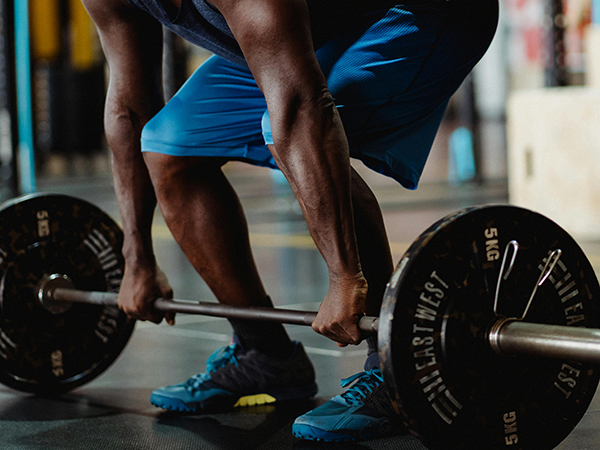
The debate between lifting heavier weights for fewer repetitions and doing more reps with lighter weights remains one of fitness’s most common discussions. Both training styles offer distinct advantages, and the right approach depends on your goals, experience level, and personal preferences.
Modern fitness science shows that strength, endurance, and muscle growth can all be achieved through strategic programming—often by incorporating elements of both methods. Understanding how each approach works helps you design workouts that maximize results while reducing the risk of injury.
More Reps with Lighter Weights
Training with lighter weights and higher repetitions focuses on endurance and muscular definition.
Benefits
Lifting heavier weights with lower repetitions emphasizes strength and power development.
Benefits
There is no universal answer to the high-rep versus heavy-weight debate. Fitness success comes from aligning your training with your objectives.
Safety and Progression Matter
Regardless of your chosen method, proper form and gradual progression are non-negotiable. Lifting with poor technique increases injury risk and reduces training effectiveness.
Consider working with a certified fitness professional to:
High-rep, light-weight training and low-rep, heavy-weight lifting both offer valuable benefits. The best approach depends on your objectives—whether that’s building endurance, increasing strength, or achieving overall physical fitness.
Rather than viewing these methods as opposing choices, consider them complementary tools in your fitness toolbox. A balanced strategy delivers versatility, prevents monotony, and supports long-term success.
Consistency, patience, and progressive improvement remain the cornerstones of meaningful fitness results.
Modern fitness science shows that strength, endurance, and muscle growth can all be achieved through strategic programming—often by incorporating elements of both methods. Understanding how each approach works helps you design workouts that maximize results while reducing the risk of injury.
More Reps with Lighter Weights
Training with lighter weights and higher repetitions focuses on endurance and muscular definition.
Benefits
-
Improved Muscular Endurance
Higher repetition ranges train muscles to sustain effort over longer periods. This is valuable for athletes and individuals pursuing endurance sports such as running or cycling. -
Reduced Injury Risk
Lighter weights place less stress on joints and connective tissues, making this approach suitable for beginners, rehabilitation, or those with joint concerns. -
Enhanced Muscle Definition
High-rep training promotes metabolic stress, which can contribute to muscle toning and a leaner appearance when combined with proper nutrition. -
Cardiovascular Benefits
Performing sets with shorter rest periods and higher repetitions can elevate heart rate, offering cardiovascular advantages alongside strength training.
-
Strength Gains May Be Slower
While endurance improves, maximal strength and power development are typically achieved more efficiently with heavier resistance. -
Time Commitment
Reaching muscle fatigue with light weights often requires more repetitions, extending workout duration. -
Plateau Potential
Over time, higher repetitions alone may yield diminishing returns. Progressive overload—gradually increasing difficulty—is essential for continued improvement.
Lifting heavier weights with lower repetitions emphasizes strength and power development.
Benefits
-
Strength and Power Development
Heavy resistance training stimulates muscle growth and neural adaptations that improve force production—critical for athletic performance and functional strength. -
Workout Efficiency
Fewer repetitions are required to achieve muscle fatigue, making this approach time-effective for busy schedules. -
Bone Density and Joint Health
Resistance training supports bone strength and joint stability, reducing long-term risks associated with age-related bone density loss. -
Metabolic Impact
High-intensity strength training can boost metabolism and support body composition goals by preserving lean muscle mass.
-
Higher Injury Risk
Improper form or excessive load increases the likelihood of strains and injuries. Prioritizing technique and gradual progression is essential. -
Faster Muscle Fatigue
Heavy sets may limit total workout volume, requiring careful programming to balance intensity and recovery. -
Equipment Requirements
Access to barbells, dumbbells, or weight machines is often necessary, though many gyms and home setups accommodate these needs.
There is no universal answer to the high-rep versus heavy-weight debate. Fitness success comes from aligning your training with your objectives.
- For Endurance and Toning: Prioritize higher repetitions with moderate resistance.
- For Strength and Muscle Growth: Incorporate heavier weights with controlled, lower-rep sets.
- For Comprehensive Fitness: Combine both methods in structured phases to benefit from endurance and strength adaptations.
Safety and Progression Matter
Regardless of your chosen method, proper form and gradual progression are non-negotiable. Lifting with poor technique increases injury risk and reduces training effectiveness.
Consider working with a certified fitness professional to:
- Learn proper movement mechanics
- Develop personalized programming
- Track progress and adjust intensity
- Ensure workouts align with your goals
High-rep, light-weight training and low-rep, heavy-weight lifting both offer valuable benefits. The best approach depends on your objectives—whether that’s building endurance, increasing strength, or achieving overall physical fitness.
Rather than viewing these methods as opposing choices, consider them complementary tools in your fitness toolbox. A balanced strategy delivers versatility, prevents monotony, and supports long-term success.
Consistency, patience, and progressive improvement remain the cornerstones of meaningful fitness results.