
FEATURE ARTICLE
How to Choose the Right Neighborhood When Buying a Home
Feb 25, 2026
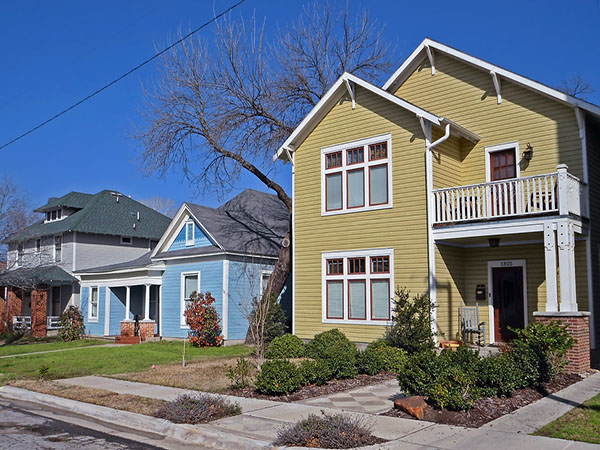
Finding the perfect home isn’t just about square footage or curb appeal—it’s about location. The neighborhood you choose directly impacts your daily routine, long-term happiness, and property value. Whether you're a first-time buyer or an experienced investor, evaluating the surrounding community is just as important as evaluating the home itself.
If you're starting your search, working with trusted resources like the National Association of Realtors guidelines and local market data can help you make a confident, informed decision.
Here are the key factors to consider when choosing the right neighborhood for your next move.
A great home in the right neighborhood doesn’t just meet your needs today—it supports your future for years to come.
If you're starting your search, working with trusted resources like the National Association of Realtors guidelines and local market data can help you make a confident, informed decision.
Here are the key factors to consider when choosing the right neighborhood for your next move.
-
Location and Commute
Convenience plays a major role in quality of life. Consider proximity to:- Your workplace
- Major highways and public transportation
- Grocery stores and shopping centers
- Healthcare facilities
- Parks and recreation
-
Safety and Crime Rates
Feeling secure in your neighborhood is essential. Research local crime statistics through police department reports or reputable online databases. Drive through the area during both daytime and evening hours to assess lighting, traffic patterns, and overall activity.
Neighborhood watch programs, visible community engagement, and well-maintained properties often signal a stable and attentive community. -
School District Quality
Even if you don’t have children, school districts significantly influence home values and resale potential. Homes in highly rated school zones tend to maintain stronger long-term value and buyer demand.
Research school ratings, graduation rates, and district performance trends to better understand the area's investment strength. -
Amenities and Lifestyle Fit
Consider how the neighborhood supports your lifestyle. Are there:- Walkable sidewalks and bike paths?
- Restaurants, coffee shops, and local businesses?
- Fitness centers or recreational facilities?
- Community parks and green spaces?
-
Community Atmosphere and Demographics
Every neighborhood has a unique character. Visit multiple times—weekday mornings, evenings, and weekends—to get a realistic sense of daily life.
Look for:- Community events or gatherings
- Family-friendly environments
- Quiet residential streets or vibrant social scenes
-
Future Development and Growth
Planned infrastructure, commercial projects, or residential developments can influence property values. Growth can increase desirability and equity potential—but excessive development may lead to congestion or noise.
Check city planning websites for upcoming projects and zoning changes before committing. -
Affordability and Property Trends
Evaluate recent sales data, appreciation rates, and overall market stability. A neighborhood slightly above your initial budget may offer stronger long-term equity growth, while emerging areas can present strategic investment opportunities.
Balancing affordability with future value appreciation is key to making a smart purchase. -
Environmental Considerations
Research environmental factors such as:- Flood zones
- Wildfire or storm risks
- Air quality
- Noise from highways or airports
-
HOA Rules and Fees
If the neighborhood includes a homeowners association (HOA), review:- Monthly or annual fees
- Rules and restrictions
- Community maintenance responsibilities
-
Trust Your Instincts
Beyond data and checklists, your emotional response matters. Can you picture yourself living there comfortably? Does the area feel welcoming and aligned with your goals?
Sometimes the right choice is a combination of research and intuition.
A great home in the right neighborhood doesn’t just meet your needs today—it supports your future for years to come.