
FEATURE ARTICLE
Drought-Tolerant Landscaping: Smart, Sustainable Solutions for Water-Wise Outdoor Spaces
Feb 25, 2026
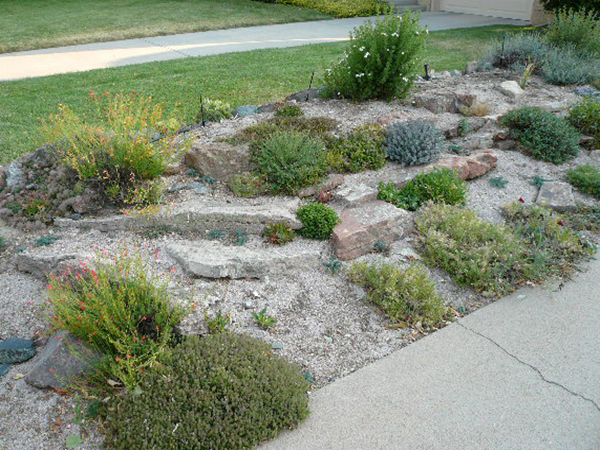
Water scarcity continues to impact communities across the country as shifting weather patterns and prolonged drought conditions become more common. For homeowners and businesses alike, sustainable landscaping is no longer just a trend — it’s a practical response to environmental and economic realities.
Drought-tolerant landscaping, often called xeriscaping, provides an effective solution. By reducing water use while maintaining curb appeal, this approach creates resilient, low-maintenance outdoor spaces that thrive in challenging climates.
Let’s explore how drought-tolerant landscaping works and how you can implement it successfully.
What Is Drought-Tolerant Landscaping?
Drought-tolerant landscaping is the strategic design and maintenance of outdoor spaces to minimize water consumption without sacrificing beauty or functionality. It combines thoughtful plant selection, efficient irrigation systems, soil improvement, and smart design principles tailored to local climate conditions.
When done correctly, xeriscaping can reduce outdoor water use by 50% or more — a significant benefit in regions facing water restrictions or rising utility costs.
Core Principles of Water-Wise Landscaping
Assess Your Property
Evaluate sun exposure, drainage patterns, soil composition, and slope. Understanding these factors ensures proper plant placement and irrigation planning.
Select the Right Plants
Research drought-tolerant plants suited to your USDA hardiness zone. Consider bloom cycles, mature size, maintenance needs, and compatibility with existing landscaping.
Upgrade Irrigation
Install drip systems or retrofit existing sprinklers with high-efficiency heads. Consider adding rain barrels or rainwater harvesting systems to capture runoff for reuse.
Reduce or Replace Turf
Traditional lawns are often the largest water consumers in residential landscapes. Consider reducing turf areas or replacing them with native groundcovers, ornamental grasses, or decorative gravel.
Maintain Sustainably
Proper pruning, seasonal mulching, and minimal fertilizer use help maintain plant health while protecting soil integrity. Avoid overwatering — even drought-tolerant plants need time to establish deep root systems.
Benefits of Drought-Tolerant Landscaping
Water Conservation
Significantly reduces outdoor water consumption and lowers utility bills.
Lower Maintenance Requirements
Once established, drought-tolerant landscapes require less mowing, fertilizing, and irrigation than traditional lawns.
Improved Biodiversity
Native plants support pollinators, birds, and beneficial insects, strengthening the local ecosystem.
Long-Term Cost Savings
Reduced water use, lower maintenance needs, and fewer chemical inputs contribute to ongoing savings.
Environmental Responsibility
Water-wise landscaping reduces runoff, limits chemical usage, and supports sustainable land management practices.
A Smart Investment for the Future
Drought-tolerant landscaping is more than a design trend — it’s a proactive approach to environmental stewardship and financial sustainability. By implementing water-efficient irrigation systems, selecting climate-appropriate plants, and improving soil health, homeowners and businesses can create attractive, resilient outdoor spaces that withstand changing weather conditions.
As communities continue to adapt to water challenges, xeriscaping offers a practical blueprint for creating landscapes that conserve resources while enhancing property value and curb appeal.
Drought-tolerant landscaping, often called xeriscaping, provides an effective solution. By reducing water use while maintaining curb appeal, this approach creates resilient, low-maintenance outdoor spaces that thrive in challenging climates.
Let’s explore how drought-tolerant landscaping works and how you can implement it successfully.
What Is Drought-Tolerant Landscaping?
Drought-tolerant landscaping is the strategic design and maintenance of outdoor spaces to minimize water consumption without sacrificing beauty or functionality. It combines thoughtful plant selection, efficient irrigation systems, soil improvement, and smart design principles tailored to local climate conditions.
When done correctly, xeriscaping can reduce outdoor water use by 50% or more — a significant benefit in regions facing water restrictions or rising utility costs.
Core Principles of Water-Wise Landscaping
-
Water-Wise Plant Selection
Choose native and climate-adapted plants that naturally thrive in your region. Native species are well-suited to local rainfall patterns, soil types, and temperatures, meaning they require less supplemental irrigation once established.
Incorporating a mix of ornamental grasses, perennials, shrubs, and groundcovers adds texture, color, and seasonal interest while supporting local pollinators and biodiversity. -
Efficient Irrigation Systems
Traditional sprinklers often waste water through evaporation and runoff. Drip irrigation and soaker hoses deliver water directly to plant roots, significantly improving efficiency.
Smart irrigation controllers — now more accessible and affordable than ever — adjust watering schedules automatically based on real-time weather conditions and soil moisture levels, helping prevent overwatering. -
Mulching for Moisture Retention
Applying organic mulch, such as shredded bark, wood chips, or compost, helps retain soil moisture, regulate soil temperature, and suppress weeds. A two- to three-inch layer can dramatically reduce evaporation and improve overall plant health. -
Strategic Landscape Design (Hydrozoning)
Group plants with similar water needs together in designated zones, a practice known as hydrozoning. This prevents overwatering low-water plants while ensuring higher-need plants receive adequate moisture.
Incorporate hardscape elements such as gravel paths, decorative stone, permeable pavers, or rock gardens to reduce turf areas and further reduce water demand. -
Soil Health and Improvement
Healthy soil acts like a sponge. Amending soil with compost or organic matter improves structure, increases water retention, and supports strong root development. Soil testing can also identify nutrient deficiencies, allowing for targeted improvements.
Assess Your Property
Evaluate sun exposure, drainage patterns, soil composition, and slope. Understanding these factors ensures proper plant placement and irrigation planning.
Select the Right Plants
Research drought-tolerant plants suited to your USDA hardiness zone. Consider bloom cycles, mature size, maintenance needs, and compatibility with existing landscaping.
Upgrade Irrigation
Install drip systems or retrofit existing sprinklers with high-efficiency heads. Consider adding rain barrels or rainwater harvesting systems to capture runoff for reuse.
Reduce or Replace Turf
Traditional lawns are often the largest water consumers in residential landscapes. Consider reducing turf areas or replacing them with native groundcovers, ornamental grasses, or decorative gravel.
Maintain Sustainably
Proper pruning, seasonal mulching, and minimal fertilizer use help maintain plant health while protecting soil integrity. Avoid overwatering — even drought-tolerant plants need time to establish deep root systems.
Benefits of Drought-Tolerant Landscaping
Water Conservation
Significantly reduces outdoor water consumption and lowers utility bills.
Lower Maintenance Requirements
Once established, drought-tolerant landscapes require less mowing, fertilizing, and irrigation than traditional lawns.
Improved Biodiversity
Native plants support pollinators, birds, and beneficial insects, strengthening the local ecosystem.
Long-Term Cost Savings
Reduced water use, lower maintenance needs, and fewer chemical inputs contribute to ongoing savings.
Environmental Responsibility
Water-wise landscaping reduces runoff, limits chemical usage, and supports sustainable land management practices.
A Smart Investment for the Future
Drought-tolerant landscaping is more than a design trend — it’s a proactive approach to environmental stewardship and financial sustainability. By implementing water-efficient irrigation systems, selecting climate-appropriate plants, and improving soil health, homeowners and businesses can create attractive, resilient outdoor spaces that withstand changing weather conditions.
As communities continue to adapt to water challenges, xeriscaping offers a practical blueprint for creating landscapes that conserve resources while enhancing property value and curb appeal.