
Timing Your Transplant
Transplanting seedlings outdoors marks a pivotal phase in your garden's development. To ensure your plants thrive, it's essential to wait until after the last frost, when nighttime temperatures have stabilized. Knowing your USDA hardiness zone and local frost dates helps you pick the safest moment. Cool-season crops like lettuce can handle chillier weather, while warm-season favorites such as tomatoes need comfortably warm soil and air.
Preparing Seedlings and Soil
Before moving seedlings outside, gradually introduce them to the elements through a process called hardening off. Over 7 to 14 days, start with brief periods in a shaded spot outdoors and slowly increase their time and sun exposure. This helps plants develop stronger stems and leaves to better withstand natural conditions. Meanwhile, get your soil ready by clearing debris and loosening it to about 6 to 8 inches deep. Mixing in compost or aged organic matter boosts nutrients and drainage — key ingredients for healthy roots.
Planting and Aftercare
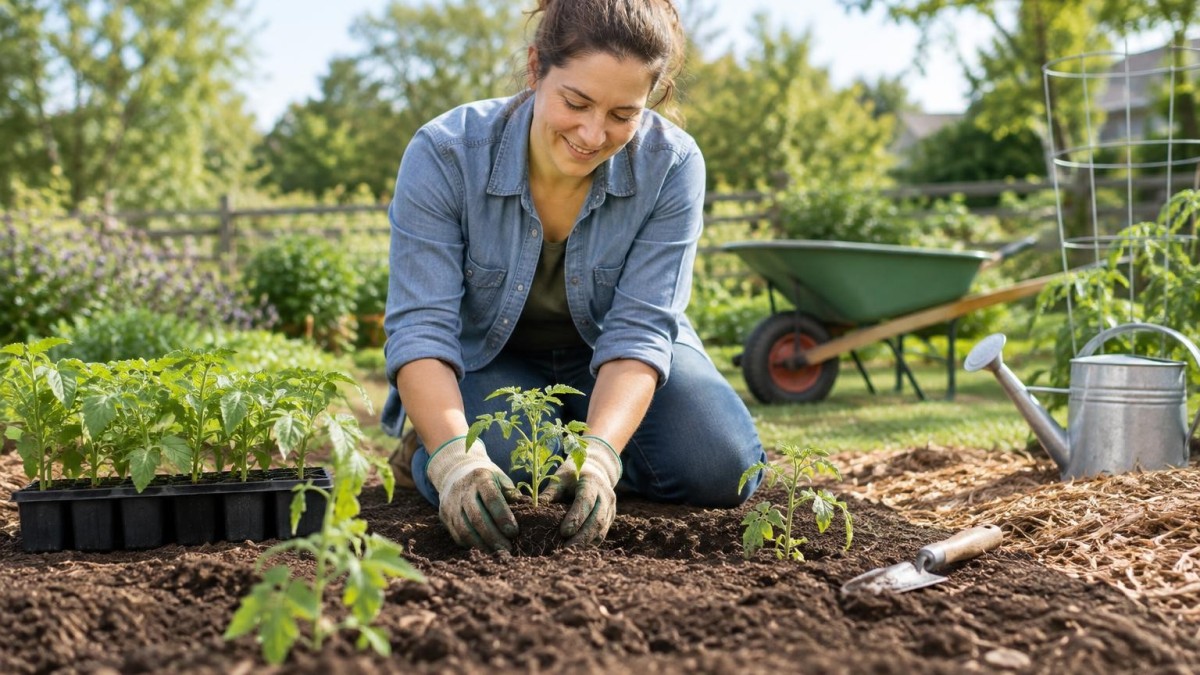
When transplanting, gently handle seedlings by their leaves to avoid injury. Dig holes slightly larger than the root ball, placing plants at the right depth to encourage robust root growth — some, like tomatoes, benefit from being planted a bit deeper. Fill the hole with soil, press lightly to eliminate air pockets, and water thoroughly without overpacking. Maintaining consistent moisture is critical during the first weeks; soil should stay evenly damp but not soggy.
Applying a 2 to 3-inch layer of organic mulch around your plants conserves water, stabilizes soil temperature, and keeps weeds at bay. For crops that grow tall or bear fruit, such as tomatoes or peppers, adding supports like stakes or cages at planting time prevents root damage later and promotes healthy, upright growth.
Watching for Trouble and Adjusting
The weeks following transplant are a sensitive time. Keep an eye out for signs of stress like wilting, yellow leaves, pests, or fungal diseases. Early intervention and good airflow between plants help maintain strong, vigorous growth. If sudden heat or bright sun strains your young plants, temporary shade can protect them from leaf burn while they adjust.
Successful transplanting sets the stage for a bountiful garden season. With careful timing, prepared soil, gentle handling, and attentive care, your seedlings will settle in comfortably and flourish outdoors. This effort pays off with healthier plants and more rewarding harvests for your landscape or garden center customers.
Newsletter Station provides professionally written, ready-to-send newsletters customized for your market and brand.
EXPLORE NEWSLETTER OPTIONS