
FEATURE ARTICLE
Painting Wood Siding: Expert Tips for a Beautiful, Long-Lasting Finish
Feb 25, 2026
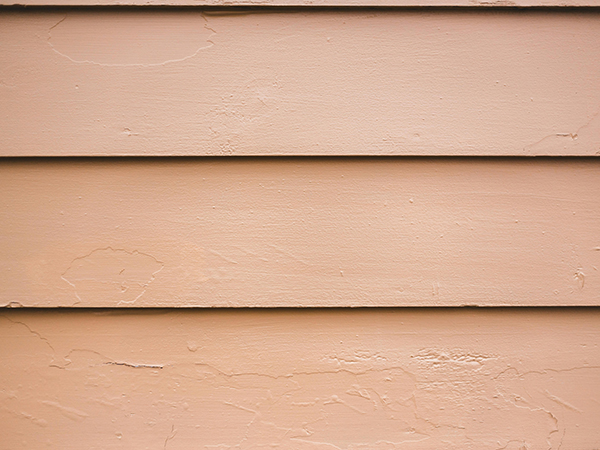
When it comes to boosting curb appeal and protecting your investment, few exterior home improvements make a bigger impact than painting wood siding. A fresh coat of high-quality exterior paint not only transforms your home’s appearance but also shields it from moisture, UV rays, temperature swings, and everyday wear.
However, a durable, professional-looking finish takes more than simply opening a can of paint. Proper preparation, smart product selection, and correct application techniques are essential. Here’s how to ensure your wood siding painting project delivers long-lasting results.
With careful planning and ongoing maintenance, your freshly painted wood siding will keep your home looking polished, protected, and welcoming for years to come.
However, a durable, professional-looking finish takes more than simply opening a can of paint. Proper preparation, smart product selection, and correct application techniques are essential. Here’s how to ensure your wood siding painting project delivers long-lasting results.
-
Start with Thorough Surface Preparation
Preparation is the foundation of any successful exterior painting project. Begin by cleaning the wood siding to remove dirt, mildew, pollen, and chalky residue. A garden hose with a siding cleaner often works well; if you use a power washer, keep the pressure moderate to avoid gouging the wood.
Next:- Scrape away loose or peeling paint
- Replace damaged boards
- Fill cracks or nail holes with exterior-grade filler
- Sand rough edges to create a smooth surface
-
Choose High-Quality Exterior Paint
Investing in premium exterior latex paint pays off in coverage, color retention, and durability. Modern formulations offer enhanced UV protection, mildew resistance, and flexibility to handle seasonal expansion and contraction.
For wood siding, satin or semi-gloss finishes are popular choices because they:- Resist mildew growth
- Shed moisture more effectively
- Clean easily
- Highlight architectural details
-
Match Your Paint to the Climate
Climate plays a critical role in paint performance. Homes in humid or rainy regions need mildew-resistant formulas. In areas with intense sun exposure, UV-resistant paints help prevent fading and cracking. If your region experiences frequent freeze-thaw cycles, choose paint designed to withstand wide temperature swings.
Always check manufacturer recommendations and temperature guidelines before application. -
Don’t Skip the Primer
Primer is essential when painting bare wood, heavily weathered siding, or making dramatic color changes. It:- Improves paint adhesion
- Seals porous wood surfaces
- Blocks stains and tannin bleed
- Creates a uniform base for topcoats
-
Time Your Project Strategically
Ideal painting conditions include mild temperatures (typically between 50°F and 85°F), low humidity, and dry weather. Avoid painting in direct, intense sunlight or when rain is expected within 24 hours.
Proper timing improves adhesion, drying consistency, and overall finish quality. -
Use Proper Application Techniques
Whether you choose a brush, roller, or sprayer, make sure your tools are designed for exterior use. Many professionals back-brush after spraying to ensure the paint works into the wood grain.
Apply paint evenly and follow the grain direction. Avoid overloading the surface, which can cause drips or uneven drying. -
Apply Multiple Thin Coats
For durability and rich, even color, apply at least two thin coats rather than one thick coat. Allow adequate drying time between coats, as per the manufacturer's guidelines.
Multiple thin layers improve adhesion and create a smoother, longer-lasting finish. -
Inspect and Maintain Regularly
After your project is complete, perform annual inspections. Look for peeling, cracking, or gaps in caulking and address small issues promptly. Routine maintenance can extend your paint job’s life by several years and protect your wood siding from costly repairs.
With careful planning and ongoing maintenance, your freshly painted wood siding will keep your home looking polished, protected, and welcoming for years to come.