
FEATURE ARTICLE
Vegan vs. Vegetarian vs. Pescatarian: Understanding the Differences in Today’s Plant-Based Movement
Feb 25, 2026
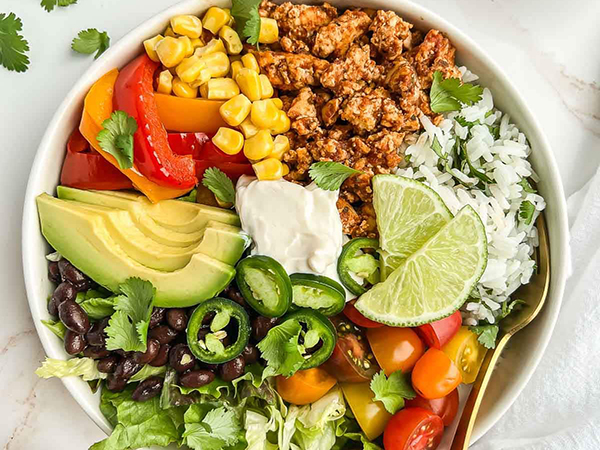
In recent years, there has been a noticeable shift toward mindful, sustainable eating habits. Diets like vegan, vegetarian, and pescatarian have moved from niche lifestyles to mainstream choices embraced by individuals, families, and even restaurants nationwide.
While these terms are sometimes used interchangeably, they represent distinct dietary patterns with unique principles, nutritional considerations, and environmental impacts. Understanding the differences between veganism, vegetarianism, and pescatarianism can help you make informed decisions that align with your health goals, ethical beliefs, and sustainability values.
Veganism: A Fully Plant-Based Lifestyle
Veganism is the most comprehensive plant-based lifestyle. Individuals who follow a vegan diet avoid all animal products, including meat, poultry, fish, dairy, eggs, and honey. Many vegans also choose to avoid animal-derived materials such as leather, wool, silk, and products tested on animals.
Why People Choose Veganism
Veganism is typically motivated by three primary factors:
Nutritional Considerations
A balanced vegan diet includes fruits, vegetables, whole grains, legumes, nuts, and seeds. However, attention must be paid to key nutrients such as:
Vegetarianism: Flexible Plant-Centered Eating
Vegetarianism eliminates meat, poultry, and seafood but allows varying levels of animal-derived products. It offers more flexibility than veganism and is often easier for individuals transitioning away from meat consumption.
Types of Vegetarian Diets
There are several variations of vegetarianism:
Nutritional Benefits
Vegetarian diets are often rich in fiber, antioxidants, and phytonutrients. Dairy and eggs provide high-quality protein, calcium, vitamin B12, and other essential nutrients. However, vegetarians should still monitor intake of:
Pescatarianism: Plant-Based with Seafood
Pescatarianism blends vegetarian principles with the inclusion of fish and seafood. Pescatarians avoid red meat and poultry but incorporate seafood into an otherwise plant-forward diet.
This approach appeals to those seeking the benefits of plant-based eating while maintaining a reliable source of lean protein and omega-3 fatty acids.
Health Advantages
Seafood provides:
Sustainability Matters
However, seafood choices come with environmental considerations. Overfishing, habitat destruction, and pollution threaten marine ecosystems. Choosing sustainably sourced seafood and seeking responsible fisheries certifications can significantly reduce environmental impact.
Choosing the Right Diet for You
When comparing vegan, vegetarian, and pescatarian diets, there is no one-size-fits-all answer. The best dietary choice depends on your:
Veganism, vegetarianism, and pescatarianism each offer meaningful pathways toward healthier, more sustainable eating. Whether you commit fully to a plant-based diet, include dairy and eggs, or incorporate responsibly sourced seafood, informed choices can positively impact your well-being and the environment.
By understanding the distinctions between these dietary lifestyles, you empower yourself to make decisions that support both personal health and long-term sustainability.
While these terms are sometimes used interchangeably, they represent distinct dietary patterns with unique principles, nutritional considerations, and environmental impacts. Understanding the differences between veganism, vegetarianism, and pescatarianism can help you make informed decisions that align with your health goals, ethical beliefs, and sustainability values.
Veganism: A Fully Plant-Based Lifestyle
Veganism is the most comprehensive plant-based lifestyle. Individuals who follow a vegan diet avoid all animal products, including meat, poultry, fish, dairy, eggs, and honey. Many vegans also choose to avoid animal-derived materials such as leather, wool, silk, and products tested on animals.
Why People Choose Veganism
Veganism is typically motivated by three primary factors:
- Ethical concerns about animal welfare
- Environmental sustainability and reducing carbon footprint
- Health benefits associated with plant-based eating
Nutritional Considerations
A balanced vegan diet includes fruits, vegetables, whole grains, legumes, nuts, and seeds. However, attention must be paid to key nutrients such as:
- Vitamin B12
- Iron
- Calcium
- Vitamin D
- Omega-3 fatty acids
- Protein
Vegetarianism: Flexible Plant-Centered Eating
Vegetarianism eliminates meat, poultry, and seafood but allows varying levels of animal-derived products. It offers more flexibility than veganism and is often easier for individuals transitioning away from meat consumption.
Types of Vegetarian Diets
There are several variations of vegetarianism:
- Lacto-vegetarian: Includes dairy but excludes eggs
- Ovo-vegetarian: Includes eggs but excludes dairy
- Lacto-ovo vegetarian: Includes both dairy and eggs
Nutritional Benefits
Vegetarian diets are often rich in fiber, antioxidants, and phytonutrients. Dairy and eggs provide high-quality protein, calcium, vitamin B12, and other essential nutrients. However, vegetarians should still monitor intake of:
- Iron
- Zinc
- Omega-3 fatty acids
- Vitamin B12
Pescatarianism: Plant-Based with Seafood
Pescatarianism blends vegetarian principles with the inclusion of fish and seafood. Pescatarians avoid red meat and poultry but incorporate seafood into an otherwise plant-forward diet.
This approach appeals to those seeking the benefits of plant-based eating while maintaining a reliable source of lean protein and omega-3 fatty acids.
Health Advantages
Seafood provides:
- High-quality protein
- EPA and DHA omega-3 fatty acids
- Vitamin D
- Iodine
- Selenium
Sustainability Matters
However, seafood choices come with environmental considerations. Overfishing, habitat destruction, and pollution threaten marine ecosystems. Choosing sustainably sourced seafood and seeking responsible fisheries certifications can significantly reduce environmental impact.
Choosing the Right Diet for You
When comparing vegan, vegetarian, and pescatarian diets, there is no one-size-fits-all answer. The best dietary choice depends on your:
- Personal values
- Health goals
- Nutritional needs
- Cultural preferences
- Environmental concerns
Veganism, vegetarianism, and pescatarianism each offer meaningful pathways toward healthier, more sustainable eating. Whether you commit fully to a plant-based diet, include dairy and eggs, or incorporate responsibly sourced seafood, informed choices can positively impact your well-being and the environment.
By understanding the distinctions between these dietary lifestyles, you empower yourself to make decisions that support both personal health and long-term sustainability.