
FEATURE ARTICLE
How to Keep Bugs Out of Your Home: Simple, Effective Pest Prevention Tips
Feb 25, 2026
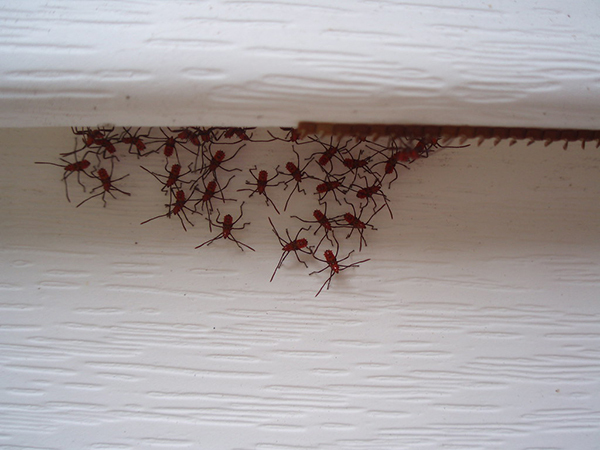
Bugs inside your home are more than a minor annoyance—they can contaminate food, trigger allergies, spread bacteria, and even damage property. From ants in the kitchen to spiders in corners and mosquitoes near entryways, household pests are persistent if preventative steps aren’t in place.
The good news? Effective bug prevention doesn’t require complicated solutions. With consistent maintenance and a few smart upgrades, you can create a home environment that naturally deters pests year-round.
A proactive approach not only protects your home and health but also provides peace of mind. Small, regular maintenance steps today can prevent costly pest problems tomorrow.
The good news? Effective bug prevention doesn’t require complicated solutions. With consistent maintenance and a few smart upgrades, you can create a home environment that naturally deters pests year-round.
-
Seal Cracks and Entry Points
Insects can enter through surprisingly small openings. Inspect your home’s exterior and interior for:- Gaps around doors and windows
- Cracks in the foundation
- Utility line entry points
- Worn weatherstripping
- Gaps beneath garage doors
-
Maintain a Clean, Clutter-Free Interior
Cleanliness is one of the most effective pest control strategies. Bugs are attracted to food sources and hiding spaces.
Be sure to:- Wipe down countertops daily
- Sweep and vacuum regularly
- Store dry goods in airtight containers
- Take trash out consistently
- Avoid leaving pet food out overnight
-
Eliminate Standing Water and Moisture
Moisture attracts pests such as mosquitoes, cockroaches, and silverfish. Check for:- Leaky faucets or pipes
- Clogged gutters
- Poor drainage around your foundation
- Overwatered indoor plants
- Damp basements or crawl spaces
-
Trim Landscaping and Create a Barrier Zone
Overgrown vegetation provides shelter and a pathway for insects to enter your home.- Trim shrubs away from exterior walls
- Keep tree branches from touching the roof
- Maintain a clear mulch-free strip near the foundation
- Store firewood away from the house
-
Use Natural anPreventiveve Repellents
Natural deterrents can supplement your prevention plan. Peppermint oil, citronella, eucalyptus, and vinegar-based solutions may help discourage certain insects around entry points.
While natural remedies can help with minor issues, they are best used as part of a broader prevention strategy rather than a standalone solution. -
Install and Maintain Window and Door Screens
Screens let in fresh air while keeping pests out. Inspect screens seasonally for tears or gaps and repair them promptly. Keep windows and doors closed or properly screened during peak insect seasons. -
Store Food and Waste Properly Outdoors
Outdoor trash bins should have tight-fitting lids and be stored away from entry points. Clean bins regularly to prevent odors that attract flies, ants, and rodents.
If you compost, use sealed containers and maintain proper composting practices to avoid attracting pests. -
Schedule Professional Pest Inspections
Even with preventive measures, some infestations require expert attention. Licensed pest control professionals can:- Identify the hidden infestation source
- Apply targeted, environmentally responsible treatment
- Provide preventative barrier solutions
A proactive approach not only protects your home and health but also provides peace of mind. Small, regular maintenance steps today can prevent costly pest problems tomorrow.