
FEATURE ARTICLE
When Trees Grow Together: What It Means and How to Respond
Feb 18, 2026
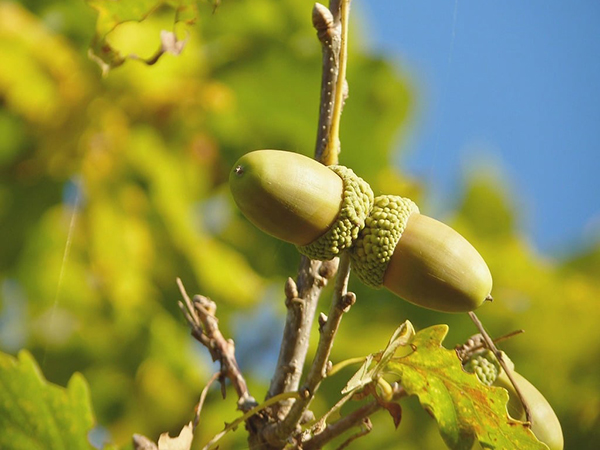
In the intricate tapestry of nature, trees sometimes grow together—intertwining trunks, branches, and even roots in a remarkable display of resilience. For homeowners, property managers, and landscaping professionals, these fused or closely growing trees can spark both admiration and practical questions. Should you intervene? Is it safe? Or should nature be left alone?
Let’s explore why trees grow together, what it means for tree health, and how to respond responsibly.
Why Do Trees Grow Together?
When trees appear “fused,” it’s often due to a natural process called inosculation—where trunks, branches, or roots of the same or closely related species grow into each other over time. This can occur when:
The Ecological Benefits of Intertwined Trees
Rather than viewing intertwined trees as a defect, it’s helpful to see them as a natural adaptation. In some cases, connected root systems can:
When Should You Be Concerned?
While many fused trees remain healthy for decades, there are situations where professional evaluation is recommended:
How to Interact with Intertwined Trees
If the trees are stable and healthy, the best approach is often minimal intervention.
In a time when sustainable landscaping and environmental stewardship are more important than ever, trees growing together remind us of nature’s adaptability. They represent cooperation, strength, and long-term resilience.
For homeowners and small-business property managers, thoughtful tree care protects both safety and the landscape investment. When in doubt, seek professional guidance and prioritize preservation whenever possible.
By respecting these natural partnerships, we not only maintain healthy trees but also contribute to stronger, more sustainable outdoor spaces for years to come.
Let’s explore why trees grow together, what it means for tree health, and how to respond responsibly.
Why Do Trees Grow Together?
When trees appear “fused,” it’s often due to a natural process called inosculation—where trunks, branches, or roots of the same or closely related species grow into each other over time. This can occur when:
- Seeds germinate very close together
- Trees grow in tight urban or wooded spaces
- Wind or environmental pressure pushes trunks into contact
- Roots compete for limited nutrients and water
The Ecological Benefits of Intertwined Trees
Rather than viewing intertwined trees as a defect, it’s helpful to see them as a natural adaptation. In some cases, connected root systems can:
- Improve structural stability
- Share water and nutrients
- Enhance resilience during storms
- Support biodiversity by creating a wildlife habitat
When Should You Be Concerned?
While many fused trees remain healthy for decades, there are situations where professional evaluation is recommended:
- Visible cracks or structural weakness
- Signs of disease or decay at the union point
- Leaning trunks near buildings, driveways, or power lines
- Storm damage is compromising stability
How to Interact with Intertwined Trees
If the trees are stable and healthy, the best approach is often minimal intervention.
-
Observe and Appreciate
Enjoy the natural beauty and unique character they add to your landscape. -
Avoid Unnecessary Pruning
Over-pruning can stress trees and weaken their shared structure. -
Monitor Health Regularly
Look for signs of pests, disease, or root stress—especially in urban environments. -
Protect the Root Zone
Avoid soil compaction from vehicles, construction, or heavy foot traffic. -
Support Conservation Efforts
Preserving mature trees, intertwined or not, supports local ecosystems and property value.
In a time when sustainable landscaping and environmental stewardship are more important than ever, trees growing together remind us of nature’s adaptability. They represent cooperation, strength, and long-term resilience.
For homeowners and small-business property managers, thoughtful tree care protects both safety and the landscape investment. When in doubt, seek professional guidance and prioritize preservation whenever possible.
By respecting these natural partnerships, we not only maintain healthy trees but also contribute to stronger, more sustainable outdoor spaces for years to come.