
FEATURE ARTICLE
How to Choose the Right Engine Oil for Your Vehicle: A Practical Guide for Drivers
Feb 18, 2026
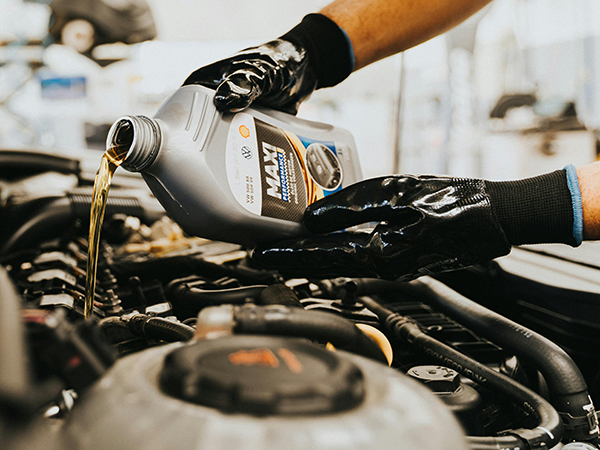
Walk into any auto parts store, and you’ll see shelves lined with engine oil options—different viscosities, synthetic blends, high-mileage formulas, and specialty products. It’s easy to feel overwhelmed.
Yet choosing the right engine oil is one of the most important maintenance decisions you’ll make. Engine oil lubricates moving parts, reduces friction, regulates temperature, prevents sludge buildup, and helps extend engine life. The right selection supports performance, fuel efficiency, and long-term reliability.
Here’s what today’s drivers need to know to choose the best motor oil for their vehicle confidently.
Start with Viscosity: What Those Numbers Mean
Motor oil viscosity describes how easily the oil flows at different temperatures. You’ll typically see ratings such as 5W-30 or 0W-20.
Follow Your Owner’s Manual
Your vehicle manufacturer provides specific oil recommendations in the owner’s manual, including viscosity grade and performance standards. These recommendations are carefully engineered for your engine’s design and tolerances.
Using oil outside the specified range can reduce performance or, in some cases, affect warranty coverage. Always confirm the correct oil grade before purchasing.
Understand the Main Types of Engine Oil
Modern motor oils generally fall into three categories:
Conventional Oil
Derived from refined crude oil, conventional oil is typically the most affordable option. It works well for older engines or vehicles with lower mileage, but it requires more frequent oil changes.
Full Synthetic Oil
Full synthetic oil is chemically engineered for superior performance. It offers:
Synthetic Blend Oil
Synthetic blends combine conventional and synthetic oils. They offer improved protection compared to conventional oil while remaining more affordable than full synthetic options.
Consider Your Driving Habits
Your driving conditions play a significant role in oil selection.
You may benefit from full synthetic oil if you:
Look for Industry Certifications
Choose engine oil that meets current performance standards from recognized industry organizations such as:
Be Cautious with Additives
While some products claim to boost fuel economy or improve engine performance, most modern motor oils already contain carefully balanced additive packages. Adding aftermarket oil additives is typically unnecessary and may even interfere with your oil’s designed chemistry.
Stick with high-quality, certified oil that matches your manufacturer’s recommendations.
High-Mileage and Specialty Oils
If your vehicle has over 75,000 miles, high-mileage oil formulas may help reduce leaks and oil consumption by conditioning aging seals. Specialty oils are also available for diesel engines, hybrid vehicles, and performance cars—each designed to meet specific engine requirements.
When in Doubt, Ask a Professional
If you’re unsure which oil is right for your vehicle, consult a trusted mechanic or automotive service professional. They can provide personalized guidance based on your vehicle’s make, model, mileage, and driving habits.
Keep Your Engine Running Strong
Choosing the right engine oil isn’t just about price—it’s about protection. By understanding viscosity ratings, oil types, manufacturer recommendations, and certification standards, you can make an informed decision that supports engine performance and longevity.
Routine oil changes using the correct motor oil remain one of the simplest and most cost-effective ways to protect your vehicle for years to come.
Yet choosing the right engine oil is one of the most important maintenance decisions you’ll make. Engine oil lubricates moving parts, reduces friction, regulates temperature, prevents sludge buildup, and helps extend engine life. The right selection supports performance, fuel efficiency, and long-term reliability.
Here’s what today’s drivers need to know to choose the best motor oil for their vehicle confidently.
Start with Viscosity: What Those Numbers Mean
Motor oil viscosity describes how easily the oil flows at different temperatures. You’ll typically see ratings such as 5W-30 or 0W-20.
- The first number (before the “W,” which stands for winter) indicates how well the oil flows in cold temperatures.
- The second number reflects performance at normal engine operating temperatures.
Follow Your Owner’s Manual
Your vehicle manufacturer provides specific oil recommendations in the owner’s manual, including viscosity grade and performance standards. These recommendations are carefully engineered for your engine’s design and tolerances.
Using oil outside the specified range can reduce performance or, in some cases, affect warranty coverage. Always confirm the correct oil grade before purchasing.
Understand the Main Types of Engine Oil
Modern motor oils generally fall into three categories:
Conventional Oil
Derived from refined crude oil, conventional oil is typically the most affordable option. It works well for older engines or vehicles with lower mileage, but it requires more frequent oil changes.
Full Synthetic Oil
Full synthetic oil is chemically engineered for superior performance. It offers:
- Better protection against extreme temperatures
- Improved engine cleanliness
- Enhanced resistance to breakdown
- Longer oil change intervals (as recommended by the manufacturer)
Synthetic Blend Oil
Synthetic blends combine conventional and synthetic oils. They offer improved protection compared to conventional oil while remaining more affordable than full synthetic options.
Consider Your Driving Habits
Your driving conditions play a significant role in oil selection.
You may benefit from full synthetic oil if you:
- Frequently drive in stop-and-go traffic
- Tow trailers or haul heavy loads
- Operate in very hot or cold climates
- Take many short trips that prevent the engine from fully warming up
Look for Industry Certifications
Choose engine oil that meets current performance standards from recognized industry organizations such as:
- American Petroleum Institute (API)
- Society of Automotive Engineers (SAE)
Be Cautious with Additives
While some products claim to boost fuel economy or improve engine performance, most modern motor oils already contain carefully balanced additive packages. Adding aftermarket oil additives is typically unnecessary and may even interfere with your oil’s designed chemistry.
Stick with high-quality, certified oil that matches your manufacturer’s recommendations.
High-Mileage and Specialty Oils
If your vehicle has over 75,000 miles, high-mileage oil formulas may help reduce leaks and oil consumption by conditioning aging seals. Specialty oils are also available for diesel engines, hybrid vehicles, and performance cars—each designed to meet specific engine requirements.
When in Doubt, Ask a Professional
If you’re unsure which oil is right for your vehicle, consult a trusted mechanic or automotive service professional. They can provide personalized guidance based on your vehicle’s make, model, mileage, and driving habits.
Keep Your Engine Running Strong
Choosing the right engine oil isn’t just about price—it’s about protection. By understanding viscosity ratings, oil types, manufacturer recommendations, and certification standards, you can make an informed decision that supports engine performance and longevity.
Routine oil changes using the correct motor oil remain one of the simplest and most cost-effective ways to protect your vehicle for years to come.