
FEATURE ARTICLE
Disinfecting vs. Sanitizing: What’s the Difference and Why It Matters
Feb 18, 2026
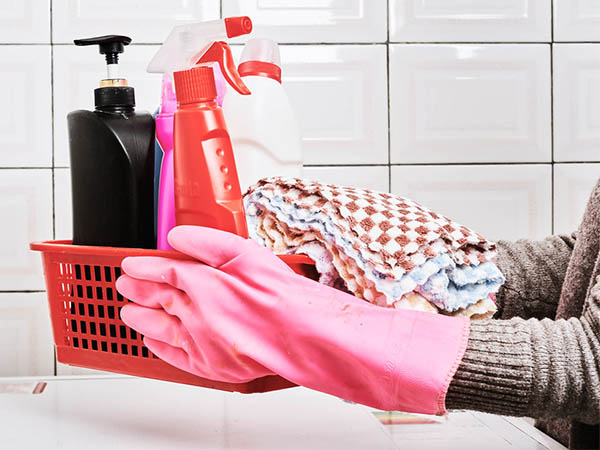
Maintaining cleanliness and hygiene is more important than ever in today’s fast-paced world. As awareness around infectious diseases, seasonal illnesses, and everyday bacteria continues to grow, understanding the difference between cleaning, sanitizing, and disinfecting has become essential for homes and businesses alike.
Two terms that are often used interchangeably are “sanitizing” and “disinfecting.” While both reduce harmful microorganisms on surfaces, they serve different purposes and offer different levels of protection. Choosing the right method can help prevent the spread of germs, protect customers and employees, and support overall health and safety.
Let’s break down what separates these processes and when each one should be used.
Defining Sanitizing and Disinfecting
Both sanitizing and disinfecting are designed to reduce the presence of harmful microorganisms, but they differ in strength, scope, and intended use.
Understanding the distinctions helps you create a more effective cleaning routine.
The best cleaning strategy depends on the type of environment and the level of risk involved.
Kitchen and Food Prep Areas
For cutting boards, countertops, and food preparation surfaces, a food-safe sanitizer is generally sufficient after cleaning with soap and water. This reduces bacteria while keeping surfaces safe for food contact.
High-Touch, High-Traffic Areas
Doorknobs, light switches, shared electronics, handrails, desks, and checkout counters should be disinfected regularly. These surfaces can quickly accumulate germs from multiple users throughout the day.
Medical and Healthcare Facilities
Hospitals, clinics, and dental offices require strict disinfection protocols to prevent cross-contamination and healthcare-associated infections. In these settings, disinfecting is not optional—it’s essential.
Offices and Small Businesses
For small business owners, implementing a clear cleaning and disinfecting routine builds trust with customers and employees. Regular sanitizing in break rooms and kitchens, combined with targeted disinfecting of shared workspaces, creates a balanced approach.
Personal Items
Phones, tablets, keyboards, and laptops are frequently touched but often overlooked. Using appropriate disinfectant wipes designed for electronics can help maintain better personal hygiene.
br> Best Practices for Effective Cleaning and Disinfection
To maximize results:
Why Understanding the Difference Matters
Knowing when to sanitize versus disinfect allows you to apply the right level of protection without overusing harsh chemicals. Over-disinfecting food surfaces can be unnecessary, while under-disinfecting high-touch public areas can increase the risk of illness transmission.
By selecting the appropriate cleaning method, you create safer environments for families, employees, and customers alike. A thoughtful, informed approach to hygiene not only protects health but also reinforces confidence in your space.
Maintaining a clean environment is about more than appearances—it’s about prevention, responsibility, and well-being. When in doubt, consult product labels and follow official public health guidance to ensure safe and effective results.
Two terms that are often used interchangeably are “sanitizing” and “disinfecting.” While both reduce harmful microorganisms on surfaces, they serve different purposes and offer different levels of protection. Choosing the right method can help prevent the spread of germs, protect customers and employees, and support overall health and safety.
Let’s break down what separates these processes and when each one should be used.
Defining Sanitizing and Disinfecting
Both sanitizing and disinfecting are designed to reduce the presence of harmful microorganisms, but they differ in strength, scope, and intended use.
-
Sanitizing
Sanitizing reduces the number of bacteria on surfaces to levels considered safe by public health standards. According to guidelines from the Centers for Disease Control and Prevention (CDC), sanitizers typically eliminate 99.9% of germs on surfaces.
Sanitizing is especially appropriate for food-contact surfaces such as:- Kitchen countertops
- Cutting boards
- Utensils
- Food prep tables
-
Disinfecting
Disinfecting goes a step further. Disinfectants use stronger chemicals to kill a broader spectrum of microorganisms, including bacteria, viruses, and fungi. Many disinfectants can eliminate up to 99.999% of targeted germs when used correctly.
The Environmental Protection Agency (EPA) regulates disinfectants in the United States and maintains approved product lists for use against specific viruses and pathogens. Using EPA-registered products ensures you are selecting solutions that meet verified standards.
Disinfecting is critical in:- Healthcare environments
- Schools and daycare centers
- Offices and coworking spaces
- Gyms and fitness centers
- High-traffic retail areas
Understanding the distinctions helps you create a more effective cleaning routine.
-
Germ-Killing Strength
Sanitizers reduce bacteria to safe levels. Disinfectants actively kill a broader range of microorganisms, including viruses and fungi. If your goal is basic hygiene, sanitizing may be sufficient. If you need a higher level of protection, disinfecting is the better choice. -
Scope of Use
Sanitizing is commonly used on food-contact surfaces, where safety standards focus on reducing bacterial contamination. Disinfecting is better suited for frequently touched surfaces and shared environments where viruses and multiple pathogens may spread. -
Contact Time
Contact time is the time a product must remain visibly wet on a surface to work effectively. This is one of the most overlooked but critical factors in proper cleaning.- Sanitizers often require 30 seconds to a few minutes.
- Disinfectants may require several minutes—sometimes up to 10 minutes—depending on the product and pathogen.
The best cleaning strategy depends on the type of environment and the level of risk involved.
Kitchen and Food Prep Areas
For cutting boards, countertops, and food preparation surfaces, a food-safe sanitizer is generally sufficient after cleaning with soap and water. This reduces bacteria while keeping surfaces safe for food contact.
High-Touch, High-Traffic Areas
Doorknobs, light switches, shared electronics, handrails, desks, and checkout counters should be disinfected regularly. These surfaces can quickly accumulate germs from multiple users throughout the day.
Medical and Healthcare Facilities
Hospitals, clinics, and dental offices require strict disinfection protocols to prevent cross-contamination and healthcare-associated infections. In these settings, disinfecting is not optional—it’s essential.
Offices and Small Businesses
For small business owners, implementing a clear cleaning and disinfecting routine builds trust with customers and employees. Regular sanitizing in break rooms and kitchens, combined with targeted disinfecting of shared workspaces, creates a balanced approach.
Personal Items
Phones, tablets, keyboards, and laptops are frequently touched but often overlooked. Using appropriate disinfectant wipes designed for electronics can help maintain better personal hygiene.
br> Best Practices for Effective Cleaning and Disinfection
To maximize results:
- Clean first. Dirt and debris reduce the effectiveness of sanitizers and disinfectants. Always clean visibly soiled surfaces before applying any germ-reducing product.
- Follow label instructions carefully. Pay attention to dilution ratios, contact time, and surface compatibility.
- Use appropriate ventilation. Especially when using stronger disinfectants.
- Wear protective gloves if recommended.
- Avoid mixing chemicals. This can create hazardous fumes.
Why Understanding the Difference Matters
Knowing when to sanitize versus disinfect allows you to apply the right level of protection without overusing harsh chemicals. Over-disinfecting food surfaces can be unnecessary, while under-disinfecting high-touch public areas can increase the risk of illness transmission.
By selecting the appropriate cleaning method, you create safer environments for families, employees, and customers alike. A thoughtful, informed approach to hygiene not only protects health but also reinforces confidence in your space.
Maintaining a clean environment is about more than appearances—it’s about prevention, responsibility, and well-being. When in doubt, consult product labels and follow official public health guidance to ensure safe and effective results.