
FEATURE ARTICLE
Business Auto Insurance Explained: How to Protect Your Company Vehicles and Control Costs
Feb 18, 2026
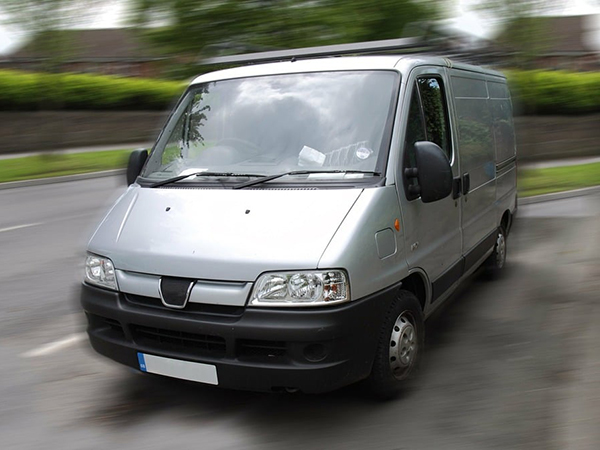
For many small and growing businesses, vehicles are essential to daily operations. Whether you’re delivering products, transporting equipment, visiting job sites, or meeting clients, company vehicles are valuable business assets.
But business use creates different risks than personal driving. That’s where commercial auto insurance—also known as business auto insurance—comes in. Understanding the right coverage helps protect your company from costly claims, lawsuits, and operational disruptions.
This updated guide outlines what business auto insurance covers, how it differs from personal policies, and how to choose the right protection for your organization.
What Is Business Auto Insurance?
Business auto insurance provides coverage for vehicles used primarily for work-related purposes. Unlike personal auto insurance, which typically covers commuting and personal errands, commercial policies account for higher mileage, multiple drivers, heavier vehicles, and the transportation of goods or tools.
If employees drive company-owned vehicles—or if you regularly use your personal vehicle for business activities—a personal auto policy may not provide adequate coverage.
Key Components of Commercial Auto Insurance Coverage
A comprehensive business auto policy typically includes several important protections:
Choosing the right policy requires evaluating how your vehicles are used.
Vehicle Usage
Be clear about whether vehicles are used for deliveries, transporting materials, client visits, or employee commuting. The more frequent and high-risk the usage, the higher the coverage requirements may be.
Vehicle Type and Size
Larger vehicles such as box trucks, vans, and specialty vehicles often require higher coverage limits and may carry different premium rates.
Fleet Size
Businesses with multiple vehicles may qualify for fleet insurance discounts. However, more vehicles also mean greater risk exposure.
Drivers and Driving Records
Insurance providers evaluate driver experience, motor vehicle records, and safety history. Implementing driver screening and training programs can help reduce premiums.
Smart Ways to Save on Commercial Auto Insurance
Business auto insurance is a necessary expense—but it doesn’t have to strain your budget. Consider these cost-saving strategies:
Shop and Compare
Request quotes from multiple carriers to compare pricing, coverage options, and deductible structures.
Bundle Business Policies
Bundling commercial auto insurance with general liability, property insurance, or a business owner’s policy (BOP) can often reduce overall premiums.
Invest in Risk Management
Safety programs, driver training, dash cameras, and GPS fleet tracking systems can reduce accidents and demonstrate proactive risk management to insurers.
Review Coverage Annually
As your business grows, your insurance needs may change. Conduct an annual policy review to ensure your coverage aligns with your current operations and assets.
Protecting Your Business on the Road
Commercial auto insurance is more than a regulatory requirement—it’s a critical safeguard for your company’s financial stability. Accidents, theft, or lawsuits can create significant setbacks if your coverage isn’t sufficient.
By understanding liability limits, vehicle usage, driver risk, and additional coverage options, you can build a policy that protects your assets, employees, and long-term growth.
But business use creates different risks than personal driving. That’s where commercial auto insurance—also known as business auto insurance—comes in. Understanding the right coverage helps protect your company from costly claims, lawsuits, and operational disruptions.
This updated guide outlines what business auto insurance covers, how it differs from personal policies, and how to choose the right protection for your organization.
What Is Business Auto Insurance?
Business auto insurance provides coverage for vehicles used primarily for work-related purposes. Unlike personal auto insurance, which typically covers commuting and personal errands, commercial policies account for higher mileage, multiple drivers, heavier vehicles, and the transportation of goods or tools.
If employees drive company-owned vehicles—or if you regularly use your personal vehicle for business activities—a personal auto policy may not provide adequate coverage.
Key Components of Commercial Auto Insurance Coverage
A comprehensive business auto policy typically includes several important protections:
-
Collision Coverage
Collision coverage pays for repairs or replacement of your business vehicle after an accident, regardless of fault. This is especially important if your operations rely heavily on transportation to generate revenue. -
Comprehensive Coverage
Comprehensive coverage protects against non-collision events, including theft, vandalism, fire, severe weather, and falling objects. With rising vehicle replacement costs, this protection has become increasingly valuable for business fleets. -
Uninsured and Underinsured Motorist Coverage
If one of your drivers is struck by an uninsured driver, this coverage helps pay for medical bills and property damage. It adds a crucial layer of protection in today’s unpredictable driving environment. -
Cargo and Equipment Coverage
If your business transports goods, tools, or specialized equipment, cargo coverage can protect against loss or damage during transit. Contractors, delivery services, and mobile service providers often rely on this additional coverage. -
Hired and Non-Owned Auto Coverage
If employees use rented vehicles or their personal cars for business purposes, hired and non-owned auto coverage can protect your company from liability exposure. This is particularly important for businesses with traveling staff or sales teams.
Vehicle Usage
Be clear about whether vehicles are used for deliveries, transporting materials, client visits, or employee commuting. The more frequent and high-risk the usage, the higher the coverage requirements may be.
Vehicle Type and Size
Larger vehicles such as box trucks, vans, and specialty vehicles often require higher coverage limits and may carry different premium rates.
Fleet Size
Businesses with multiple vehicles may qualify for fleet insurance discounts. However, more vehicles also mean greater risk exposure.
Drivers and Driving Records
Insurance providers evaluate driver experience, motor vehicle records, and safety history. Implementing driver screening and training programs can help reduce premiums.
Smart Ways to Save on Commercial Auto Insurance
Business auto insurance is a necessary expense—but it doesn’t have to strain your budget. Consider these cost-saving strategies:
Shop and Compare
Request quotes from multiple carriers to compare pricing, coverage options, and deductible structures.
Bundle Business Policies
Bundling commercial auto insurance with general liability, property insurance, or a business owner’s policy (BOP) can often reduce overall premiums.
Invest in Risk Management
Safety programs, driver training, dash cameras, and GPS fleet tracking systems can reduce accidents and demonstrate proactive risk management to insurers.
Review Coverage Annually
As your business grows, your insurance needs may change. Conduct an annual policy review to ensure your coverage aligns with your current operations and assets.
Protecting Your Business on the Road
Commercial auto insurance is more than a regulatory requirement—it’s a critical safeguard for your company’s financial stability. Accidents, theft, or lawsuits can create significant setbacks if your coverage isn’t sufficient.
By understanding liability limits, vehicle usage, driver risk, and additional coverage options, you can build a policy that protects your assets, employees, and long-term growth.