
FEATURE ARTICLE
How to Protect Hardwood Floors and Keep Them Looking Beautiful
Feb 18, 2026
Hardwood floors add timeless elegance, warmth, and value to any home or commercial space. Whether you’ve installed solid hardwood, engineered wood flooring, or refinished original planks, proper care is essential to preserve their appearance and extend their lifespan.
Daily foot traffic, pets, furniture movement, and environmental changes can all contribute to wear and tear. The good news? With proactive maintenance and smart prevention strategies, you can protect your hardwood floors and keep them looking stunning for years to come.
Below are practical, expert-backed tips to safeguard your investment.
Hardwood floors are an investment. With proactive maintenance and smart prevention strategies, you’ll enjoy their warmth, elegance, and long-term performance for generations to come.
Daily foot traffic, pets, furniture movement, and environmental changes can all contribute to wear and tear. The good news? With proactive maintenance and smart prevention strategies, you can protect your hardwood floors and keep them looking stunning for years to come.
Below are practical, expert-backed tips to safeguard your investment.
-
Use Protective Mats and Area Rugs
Prevention is always easier than repair. Place protective mats or area rugs in high-traffic areas such as:- Entryways
- Hallways
- Kitchens
- Under dining tables
Pro tip: Avoid rubber-backed mats, which can trap moisture and discolor the finish over time. -
Clean Hardwood Floors Properly and Consistently
Routine cleaning is essential for hardwood floor maintenance, but technique matters.
Best practices include:- Sweeping with a soft-bristled broom
- Using a microfiber dust mop
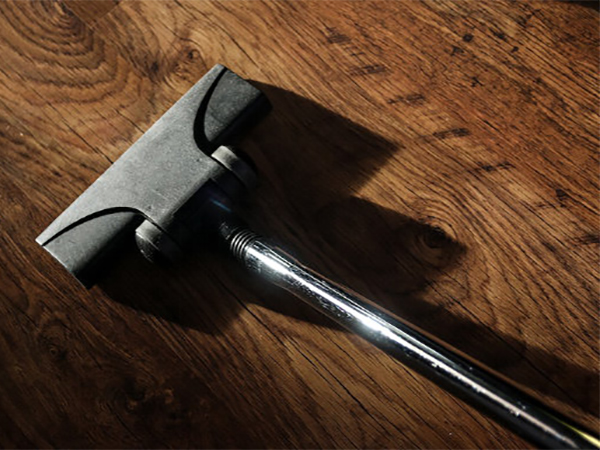
- Vacuuming with a hardwood floor attachment (no beater bar)
Consistent, gentle cleaning prevents abrasive buildup and preserves your floor’s protective finish. -
Wipe Up Spills Immediately
Moisture is one of hardwood’s biggest enemies. Even small spills can cause staining, cupping, or long-term damage if left unattended.
Blot spills immediately using a soft cloth or paper towel. Avoid harsh chemicals, ammonia-based cleaners, and abrasive scrubbing, which can strip the finish.
For sticky or stubborn spots, use a pH-balanced hardwood cleaner recommended by your flooring manufacturer. -
Protect Floors from Pets
Pets are part of the family—but their nails can scratch hardwood surfaces. Trim your pet’s nails regularly to reduce damage, especially in active areas of the home.
Additional protective steps:- Place rugs in play areas
- Wipe paws after outdoor walks
- Consider nail caps if needed
-
Install Furniture Pads
Heavy furniture can leave dents and scratches when moved or shifted. Attach felt or rubber pads to the bottom of:- Chairs
- Tables
- Sofas
- Cabinets
This small step significantly reduces surface damage over time. -
Minimize Shoe and Sharp Object Damage
High heels, cleats, and hard-soled shoes can create dents and scratches in hardwood floors. Encourage a no-shoes policy indoors or provide shoe storage near entryways.
When moving appliances or sharp-edged objects, use furniture sliders, blankets, or plywood sheets to create a protective barrier.
These precautions help prevent costly refinishing projects later. -
Maintain Proper Indoor Humidity
Wood naturally expands and contracts with changes in humidity. To prevent gaps, buckling, or cupping, maintain indoor humidity levels between 35% and 55%.
During dry winter months, use a humidifier. In humid summer conditions, a dehumidifier or well-maintained HVAC system can help regulate moisture levels.
Monitoring indoor humidity protects not only your hardwood floors but also furniture and cabinetry. -
Protect Against Sunlight and UV Damage
Prolonged exposure to direct sunlight can cause fading or uneven discoloration. To reduce UV impact:- Install blinds or curtains
- Use UV-filtering window film
- Rotate rugs and furniture periodically
-
Schedule Periodic Maintenance
Even with excellent daily care, hardwood floors benefit from periodic professional maintenance. Depending on traffic levels, consider:- Buffing and recoating every few years
- Refinishing when deep scratches or dullness appear
Hardwood floors are an investment. With proactive maintenance and smart prevention strategies, you’ll enjoy their warmth, elegance, and long-term performance for generations to come.