
FEATURE ARTICLE
How to Evaluate Employee Performance Effectively: A Practical Guide for Growing Businesses
Feb 18, 2026
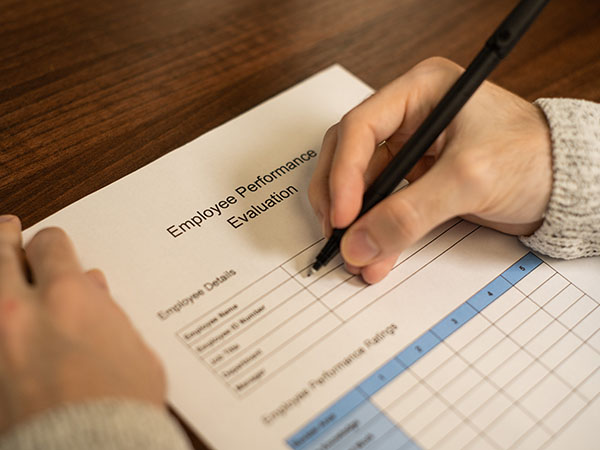
As businesses strive for sustainable growth and operational excellence, evaluating employee performance remains one of the most important leadership responsibilities. A well-designed performance evaluation process does more than measure output — it strengthens engagement, improves accountability, and builds a culture of continuous improvement.
In today’s workplace, where hybrid teams, evolving technologies, and shifting expectations are common, modern performance management must be clear, consistent, and development-focused. Below are practical strategies to help you evaluate employee performance effectively while keeping your workforce motivated and aligned with organizational goals.
Effective employee performance evaluation is not just about measurement — it’s about development, alignment, and engagement. When businesses prioritize clear expectations, continuous feedback, skill development, and meaningful recognition, they create a workplace culture built on accountability and growth.
For small and growing businesses, especially, a structured yet flexible performance management process can drive productivity, reduce turnover, and support long-term strategic goals.
By modernizing your performance review approach and focusing on both results and development, you position your team — and your organization — for sustainable success.
In today’s workplace, where hybrid teams, evolving technologies, and shifting expectations are common, modern performance management must be clear, consistent, and development-focused. Below are practical strategies to help you evaluate employee performance effectively while keeping your workforce motivated and aligned with organizational goals.
-
Set Clear Performance Expectations from Day One
An effective employee performance review process begins with clarity. Employees need to understand exactly what success looks like in their role.
Define:- Key responsibilities
- Measurable goals
- Performance standards
- Behavioral expectations
-
Use SMART Goals to Drive Accountability
The SMART framework (Specific, Measurable, Achievable, Relevant, Time-bound) remains one of the most effective tools for goal setting.
SMART goals:- Provide structure and clarity
- Make performance measurable
- Create achievable milestones
- Align individual contributions with company strategy
li>
Shift from Annual Reviews to Continuous Feedback
- Quarterly performance conversations
- Monthly one-on-one check-ins
- Real-time feedback after key projects
-
Incorporate 360-Degree Feedback Thoughtfully
360-degree feedback provides a more comprehensive evaluation by gathering input from managers, peers, direct reports, and, in some cases, clients.
This approach:- Reduces bias
- Encourages collaboration
- Provides a well-rounded performance view
-
Use Clear and Consistent Performance Rating Scales
Standardized performance rating scales improve fairness and transparency in the evaluation process.
To maximize effectiveness:- Clearly define each rating level
- Train managers to apply ratings consistently
- Support ratings with documented examples
-
Evaluate Core Competencies and Soft Skills
Performance isn’t measured by metrics alone. Assessing competencies such as communication, leadership potential, problem-solving, adaptability, and teamwork is equally important.
In today’s collaborative and often hybrid work environments, soft skills significantly impact team success and customer satisfaction. Identifying strengths and areas for development enables organizations to build stronger, more agile teams. -
Encourage Employee Self-Assessment
Inviting employees to evaluate their own performance promotes self-awareness and accountability. Self-assessments often reveal insights that managers may not see in day-to-day work.
Ask employees to reflect on:- Key accomplishments
- Challenges faced
- Skills developed
- Areas for growth
-
Recognize and Reward High Performance
Recognition plays a powerful role in employee motivation and retention. High-performing employees want to know their contributions matter.
Recognition can include:- Performance-based bonuses
- Promotions or expanded responsibilities
- Public acknowledgment
- Personalized appreciation
Traditional once-a-year evaluations are no longer enough. High-performing organizations emphasize continuous performance management.
Schedule:
Effective employee performance evaluation is not just about measurement — it’s about development, alignment, and engagement. When businesses prioritize clear expectations, continuous feedback, skill development, and meaningful recognition, they create a workplace culture built on accountability and growth.
For small and growing businesses, especially, a structured yet flexible performance management process can drive productivity, reduce turnover, and support long-term strategic goals.
By modernizing your performance review approach and focusing on both results and development, you position your team — and your organization — for sustainable success.