
FEATURE ARTICLE
Humane and Effective Alternatives to Traps for Furry Pest Control
Feb 11, 2026
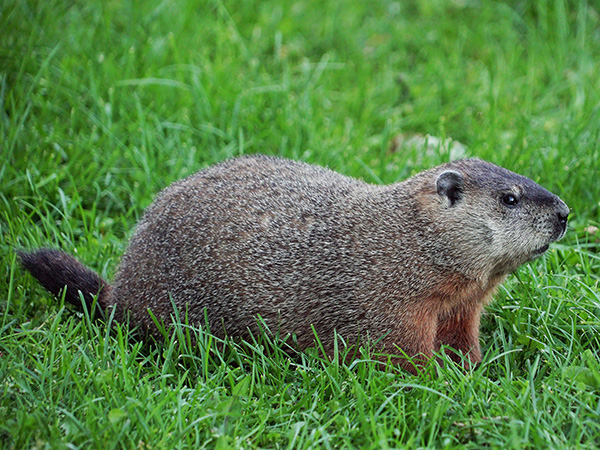
When furry pests invade our homes or gardens, our first instinct is often to reach for a trap. While traps may seem like a quick fix, they are not always the best or most effective solution. Traps can raise ethical concerns, harm non-target animals, and fail to address the root cause of infestations.
Understanding the limitations of traps can help you make better decisions for controlling pests in a safe, humane, and long-lasting way.
Why Traps May Not Be the Best Solution
Addressing the root causes of infestations helps ensure a safer, pest-free environment for your family, pets, and property—without causing unnecessary harm to wildlife.
Understanding the limitations of traps can help you make better decisions for controlling pests in a safe, humane, and long-lasting way.
Why Traps May Not Be the Best Solution
-
Ethical Concerns
Many traps, such as snap traps and glue traps, can cause unnecessary suffering. Animals may experience prolonged pain or distress before dying or being released, which raises significant ethical concerns for those who prioritize humane treatment. -
Limited Effectiveness
Some furry pests are trap-shy and actively avoid traps, reducing their effectiveness. Additionally, in large infestations, traps alone are unlikely to resolve the problem without complementary measures. -
Risk to Non-Target Species
Traps can inadvertently capture other animals, like squirrels, birds, or small pets, causing unintended harm. Using traps without careful planning can disrupt the local ecosystem and harm innocent creatures. -
Repeated Infestations
Traps only address individual animals and do not eliminate the underlying factors that attract pests. Without resolving food sources, entry points, or habitat conditions, infestations are likely to recur. -
Disease Risks
Handling traps and disposing of trapped animals can expose you to diseases, parasites, and bacteria carried by furry pests. Dead animals can also attract scavengers, creating additional problems.
-
Prevention
The most effective strategy is to prevent infestations before they occur. Seal entry points, maintain cleanliness, and eliminate food and water sources that attract pests. -
Natural Predators
Encourage outdoor natural predators, such as owls, hawks, or domestic cats, to help control pest populations in gardens and yards. -
Repellents
Use natural repellents, including essential oils, predator urine, or ultrasonic devices, to deter pests without harming them. -
Exclusion Methods
Physical barriers like fencing, netting, or wire mesh can prevent pests from accessing gardens, attics, or other vulnerable areas. -
Professional Pest Control
For severe or persistent infestations, a professional pest control service can assess the situation and implement effective, humane solutions tailored to your property.
Addressing the root causes of infestations helps ensure a safer, pest-free environment for your family, pets, and property—without causing unnecessary harm to wildlife.