
Maintain Tree Health for Pest Resistance
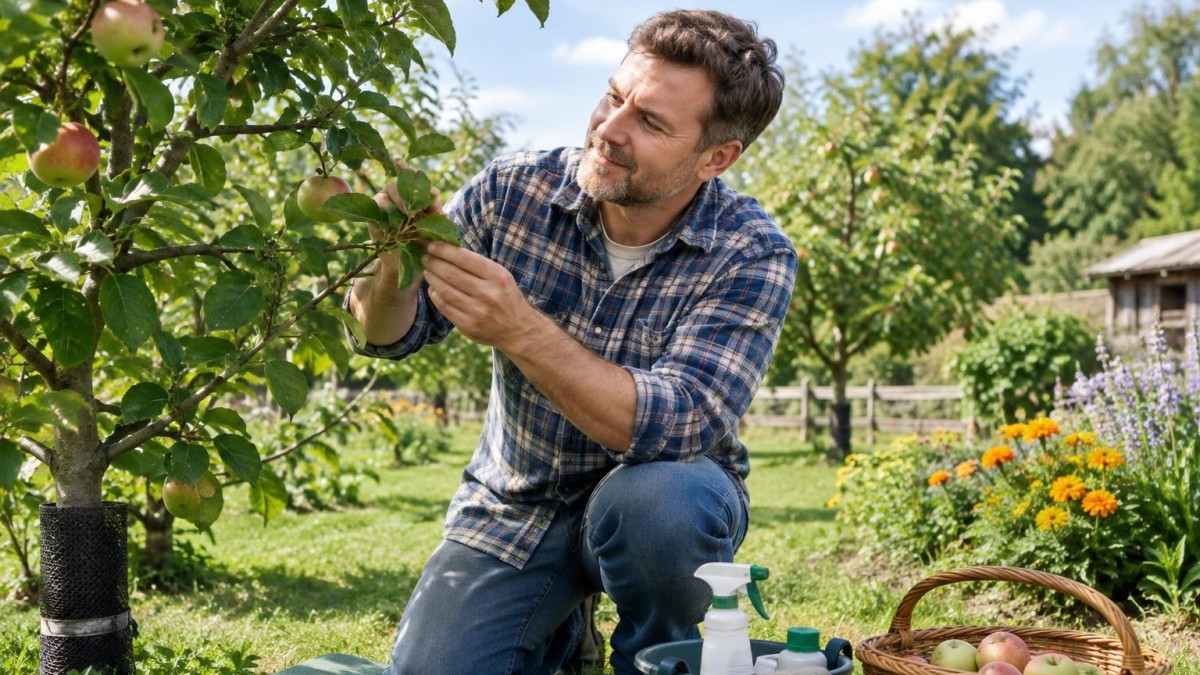
Keeping your fruit trees healthy is the best first step in deterring insect pests. Regular pruning removes dead or weakened branches where pests may hide or lay eggs. Ensuring adequate spacing between trees improves air circulation and sunlight penetration, creating less favorable conditions for insects and diseases.
Stay Vigilant with Routine Inspections
Make a habit of checking your trees frequently for early pest signs like discolored leaves, holes, sticky spots, or visible bugs. Catching infestations early allows you to act before pests cause serious damage.
Encourage Natural Predators
Beneficial insects such as ladybugs, lacewings, and parasitic wasps naturally control harmful pests by feeding on them. Planting flowers that attract these allies, like native wildflowers or herbs, helps balance your orchard’s ecosystem.
Protect Trees with Non-Chemical Barriers
Simple physical methods can prevent many insect problems. Sticky bands wrapped around trunks block crawling pests like ants. Netting or fruit bags shield developing fruit from insects and birds while allowing air and light through.
Opt for Organic Pest Controls
When pest populations rise, organic sprays such as neem oil, insecticidal soap, or pyrethrin offer effective, environmentally friendlier options. These products typically target pests without harming beneficial insects or leaving harmful residues on your fruit.
Enhance Pest Management with Pheromone Traps and Dormant Oils
Pheromone traps disrupt insect mating habits for species like codling moths and apple maggots and also help monitor pest activity. Applying dormant oil sprays in late winter or early spring eliminates overwintering eggs and larvae, reducing pest pressure before growth begins.
Use Companion Planting to Deter Pests
Planting herbs and flowers like marigolds, basil, lavender, or dill near your fruit trees naturally discourages pests and attracts pollinators and beneficial insects, promoting a healthier orchard environment.
Combining these strategies—good tree care, vigilant monitoring, encouraging beneficial insects, physical barriers, organic treatments, and smart planting—creates a comprehensive pest management plan. This integrated approach helps keep your fruit trees healthy and productive year after year, leading to a thriving orchard with better yields and fewer insect problems.
Newsletter Station provides professionally written, ready-to-send newsletters customized for your market and brand.
EXPLORE NEWSLETTER OPTIONS