
FEATURE ARTICLE
Insurance Tips for Protecting Multi-Dwelling Housing Investments
Feb 11, 2026
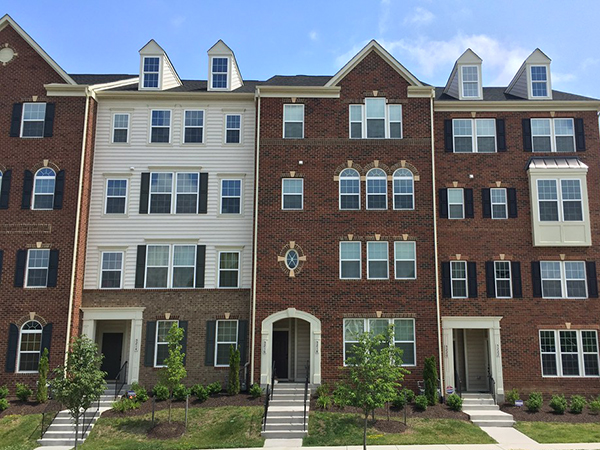
Investing in multi-dwelling housing units can be a smart way to generate steady income and build long-term financial security. However, these properties also come with unique risks, particularly when it comes to insurance coverage.
From property damage to tenant-related liability claims, the right insurance strategy is essential to protecting your investment and minimizing financial exposure.
This guide outlines practical tips to help property owners and investors manage insurance effectively for multi-dwelling housing units.
Understand Your Coverage Needs
Before selecting an insurance policy, it’s important to clearly understand your coverage requirements. Multi-dwelling properties face different risks than single-family homes or traditional commercial buildings. Factors such as the number of units, building age, construction type, location, occupancy levels, and on-site amenities all influence coverage needs. Evaluating these details ensures your policy adequately reflects the property’s true risk profile.
Work with an Experienced Insurance Agent
Insurance for multi-dwelling housing units can be complex, especially for first-time investors. Working with an insurance agent or broker who specializes in commercial or residential investment properties can help simplify the process. Experienced professionals can identify coverage gaps, customize policies, and ensure compliance with lender or regulatory requirements.
Choose Comprehensive Coverage
Comprehensive insurance coverage is critical for multi-dwelling properties. Property insurance should cover the building structure and landlord-owned items such as appliances or shared furnishings. Liability coverage is equally important, protecting against claims involving injuries or property damage occurring on the premises. Together, these coverages form the foundation of a strong risk management strategy.
Evaluate Additional Coverage Options
Depending on the property’s location and features, additional coverage may be necessary. Loss of rental income coverage can help offset income interruptions following a covered event. Other options may include coverage for vandalism, theft, equipment breakdown, or natural disasters not included in standard policies. A thorough risk assessment can help determine which endorsements or add-ons are appropriate.
Implement Risk Management Strategies
Insurance works best when paired with proactive risk management. Regular inspections help identify maintenance issues early, reducing the likelihood of claims. Security measures such as lighting, cameras, and controlled access can deter vandalism and theft. Clear tenant screening procedures and well-drafted lease agreements can also reduce liability risks and support smoother property operations.
Review and Update Coverage Regularly
Insurance needs evolve as property values change, renovations are completed, or new risks emerge. Reviewing your coverage annually ensures policy limits remain adequate and aligned with current market conditions. Regular updates also provide opportunities to adjust endorsements, improve coverage terms, or secure more competitive pricing.
Insuring multi-dwelling housing units requires careful planning and ongoing attention. By understanding your coverage needs, working with experienced professionals, and maintaining proactive risk management practices, you can protect your investment and promote long-term financial stability.
Regular policy reviews and thoughtful coverage adjustments help ensure your insurance keeps pace with your property and continues to support your investment goals.
From property damage to tenant-related liability claims, the right insurance strategy is essential to protecting your investment and minimizing financial exposure.
This guide outlines practical tips to help property owners and investors manage insurance effectively for multi-dwelling housing units.
Understand Your Coverage Needs
Before selecting an insurance policy, it’s important to clearly understand your coverage requirements. Multi-dwelling properties face different risks than single-family homes or traditional commercial buildings. Factors such as the number of units, building age, construction type, location, occupancy levels, and on-site amenities all influence coverage needs. Evaluating these details ensures your policy adequately reflects the property’s true risk profile.
Work with an Experienced Insurance Agent
Insurance for multi-dwelling housing units can be complex, especially for first-time investors. Working with an insurance agent or broker who specializes in commercial or residential investment properties can help simplify the process. Experienced professionals can identify coverage gaps, customize policies, and ensure compliance with lender or regulatory requirements.
Choose Comprehensive Coverage
Comprehensive insurance coverage is critical for multi-dwelling properties. Property insurance should cover the building structure and landlord-owned items such as appliances or shared furnishings. Liability coverage is equally important, protecting against claims involving injuries or property damage occurring on the premises. Together, these coverages form the foundation of a strong risk management strategy.
Evaluate Additional Coverage Options
Depending on the property’s location and features, additional coverage may be necessary. Loss of rental income coverage can help offset income interruptions following a covered event. Other options may include coverage for vandalism, theft, equipment breakdown, or natural disasters not included in standard policies. A thorough risk assessment can help determine which endorsements or add-ons are appropriate.
Implement Risk Management Strategies
Insurance works best when paired with proactive risk management. Regular inspections help identify maintenance issues early, reducing the likelihood of claims. Security measures such as lighting, cameras, and controlled access can deter vandalism and theft. Clear tenant screening procedures and well-drafted lease agreements can also reduce liability risks and support smoother property operations.
Review and Update Coverage Regularly
Insurance needs evolve as property values change, renovations are completed, or new risks emerge. Reviewing your coverage annually ensures policy limits remain adequate and aligned with current market conditions. Regular updates also provide opportunities to adjust endorsements, improve coverage terms, or secure more competitive pricing.
Insuring multi-dwelling housing units requires careful planning and ongoing attention. By understanding your coverage needs, working with experienced professionals, and maintaining proactive risk management practices, you can protect your investment and promote long-term financial stability.
Regular policy reviews and thoughtful coverage adjustments help ensure your insurance keeps pace with your property and continues to support your investment goals.