
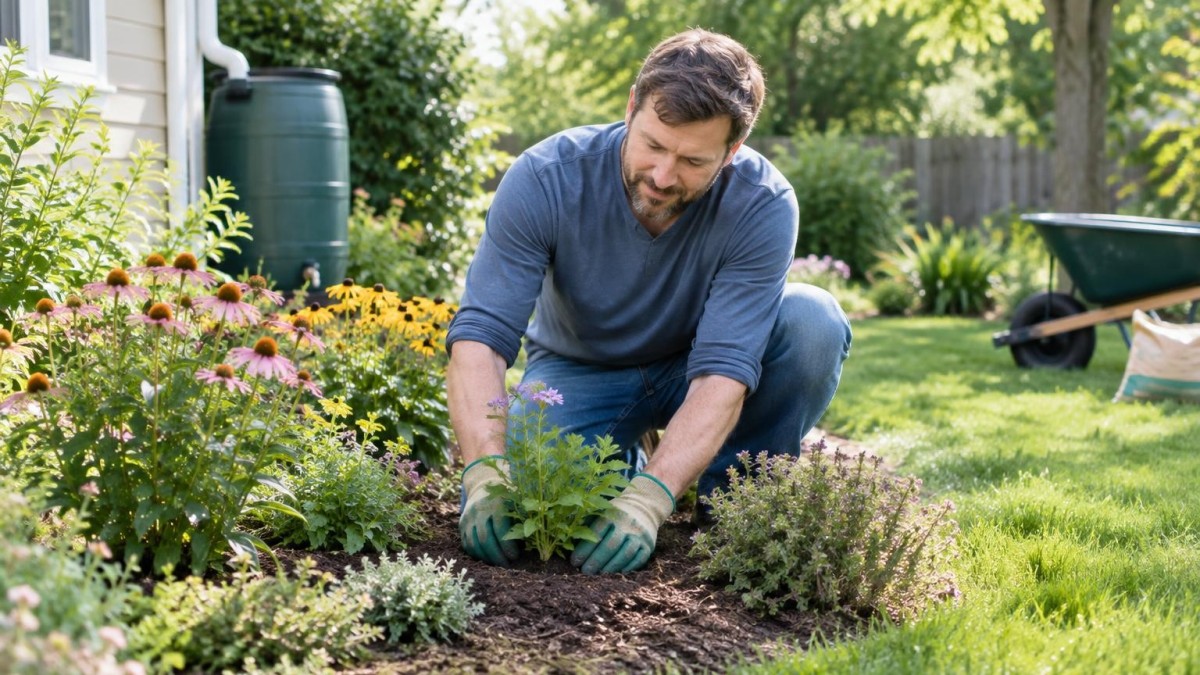
Designing for a Greener Lawn
A healthy, green lawn is a classic outdoor dream, but today’s homeowners increasingly want beauty combined with eco-friendly design. Sustainable lawn care isn’t just about looks—it’s about creating a balanced ecosystem that enriches your property while taking care of the environment.
Key Elements of Sustainable Lawn Care
To build a sustainable lawn, focus on four main areas:
Biodiversity
Incorporate native plants suited to your region. These require less water, fewer chemicals, and less upkeep. Native plantings also provide vital habitats for pollinators, birds, and helpful insects, boosting the overall health and resilience of your yard.
Soil Health
The cornerstone of any thriving lawn is rich, well-maintained soil. Techniques like composting and mulching improve soil fertility and moisture retention, reducing the need for chemical fertilizers. Healthy soil supports vigorous plant growth, curbs erosion, and even helps capture carbon, aiding climate efforts.
Water Efficiency
Cutting water use is vital. Choose drought-tolerant grasses and plants, install smart irrigation systems or drip lines, and consider collecting rainwater for watering. Additionally, permeable patios and walkways help absorb rainwater, easing runoff and recharging groundwater naturally.
Resource Conservation
Reduce energy and material consumption by selecting electric or manual tools over gas-powered ones, opting for recycled or locally sourced materials for hardscapes, and installing low-energy outdoor lighting to minimize environmental impact.
Practical Tips to Get Started
Begin with a site evaluation, noting soil type, sun exposure, and drainage to inform plant and irrigation choices. Fill your lawn with a mix of native grasses, ground covers, wildflowers, and shrubs to enhance beauty and support local wildlife.
Water wisely with efficient irrigation, rainwater collection, and weather-responsive timers. Skip synthetic fertilizers and pesticides—lean on organic amendments and natural methods to nourish your lawn.
When mowing, set blades to the proper height, leave grass clippings on the lawn to naturally fertilize, and avoid mowing during the hottest part of the day to keep your plants strong.
Building a sustainable lawn is an ongoing process that connects you to your outdoor space in a meaningful way. Whether starting fresh or updating an existing yard, applying these principles leads to a vibrant, resilient lawn that benefits you and the planet alike.
Newsletter Station provides professionally written, ready-to-send newsletters customized for your market and brand.
EXPLORE NEWSLETTER OPTIONS