
Understanding Legal Requirements
Before you start shopping for a used firearm, it’s important to know the legal landscape. Firearm laws vary by state and locality, encompassing requirements like background checks, permits, and transfer processes through licensed dealers. Being aware of these can save you from legal complications and unexpected delays.
Research Is Key
Gathering information about the firearm you want is crucial. Learn about different makes, models, and calibers, and their common uses. Check reviews and feedback on reliability and known issues. Comparing prices in the current market helps you recognize a fair deal and avoid overpaying.
Choose Reliable Sellers
Buying from reputable sources such as licensed dealers, established gun shops, or trusted private sellers offers greater security. If you use online marketplaces or attend gun shows, exercise extra caution. Avoid sellers who can’t provide proper documentation or hesitate to follow legal transfer procedures.
Inspect the Firearm Carefully
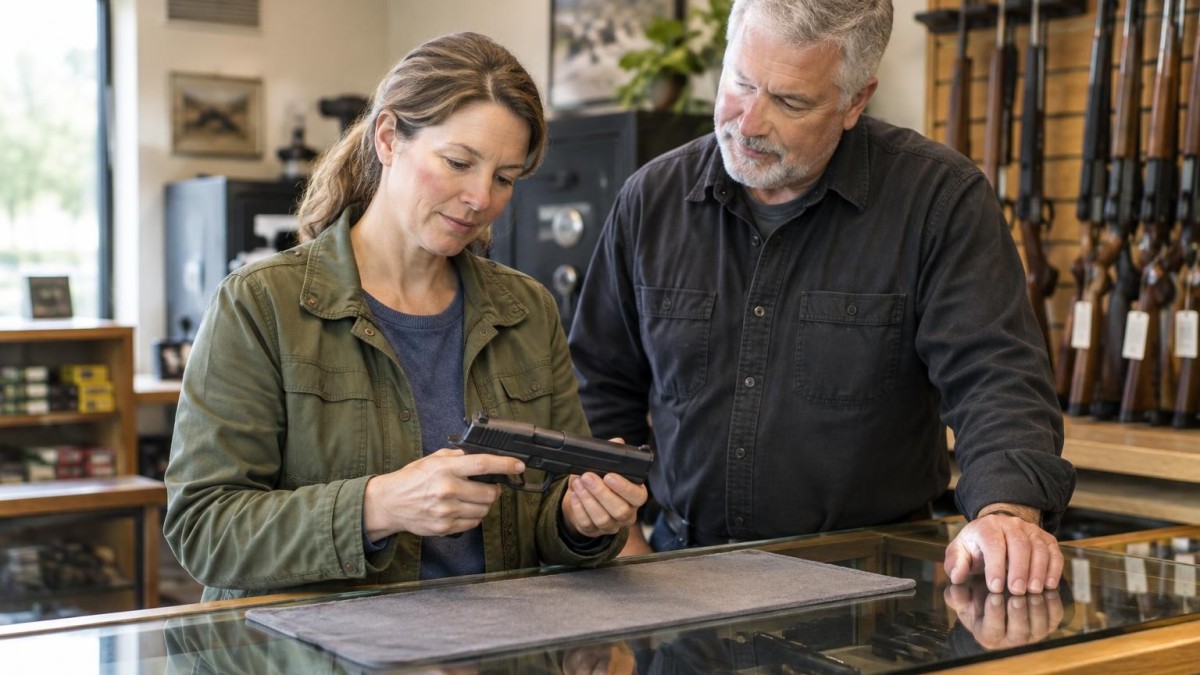
Examination is vital to ensure safety and functionality. Look for signs of wear, rust, damage, or poor upkeep. Check the barrel, bore, safety, and trigger mechanisms. If you’re uncertain, consider bringing a knowledgeable friend or consulting a professional gunsmith for advice.
Request Documentation
Ask for any available paperwork like bills of sale, maintenance records, or the original manual. Verify that the serial number is intact and matches the documents. This helps confirm the firearm’s history and ensures a legal transaction.
Test-Firing Options
If possible, safely test-fire the firearm at a range to evaluate its condition, reliability, and accuracy. Newer owners should seek assistance from experienced shooters or instructors during this process to maintain safety.
Price Negotiation
Pricing for used firearms often allows room for negotiation. Use your research and inspection findings to propose a fair offer reflecting the gun’s condition, age, and included accessories. A respectful negotiation can work out well for both parties involved.
Complete the Paperwork
Ensure all necessary paperwork, such as background checks and transfer forms, is properly completed. This protects you and the seller, while keeping the purchase lawful.
Safe Storage and Handling
Once you have your firearm, practice responsible ownership by storing it securely in a gun safe or with a lock. Follow all recommended handling and safety guidelines, and consider training courses if you’re new to firearms to build confidence and competence.
Buying a used firearm can be a practical and rewarding way to own a weapon that suits your needs. Staying informed, cautious, and responsible throughout the process will help ensure your purchase is safe and enjoyable.
Newsletter Station provides professionally written, ready-to-send newsletters customized for your market and brand.
EXPLORE NEWSLETTER OPTIONS