
FEATURE ARTICLE
Artificial Sweeteners and Dental Health: Are They Better for Your Teeth?
Feb 11, 2026
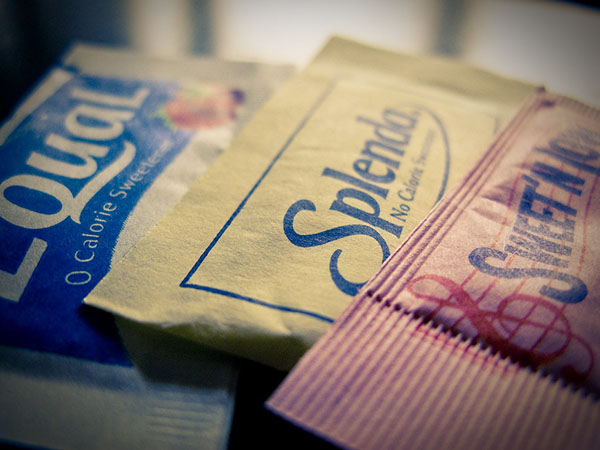
Maintaining good oral health is essential for overall well-being, and diet plays a significant role. Sugar consumption has long been linked to tooth decay and cavities, prompting many to seek alternatives. In response, artificial sweeteners have become increasingly popular as sugar substitutes in products labeled “sugar-free” or “diet.”
Many people wonder if artificial sweeteners are actually better for their teeth than sugar. This blog examines the effects of artificial sweeteners on dental health and how they can fit into a comprehensive oral hygiene routine.
Understanding Tooth Decay
Tooth decay, also known as dental caries or cavities, occurs when bacteria in the mouth interact with dietary sugars. When you consume sugary foods or beverages, oral bacteria feed on these sugars and produce acids as byproducts. Over time, these acids erode tooth enamel, leading to cavities and other dental problems.
Reducing sugar intake is critical to preventing tooth decay, and artificial sweeteners are used in this context.
Artificial Sweeteners vs. Sugar
Artificial sweeteners provide sweetness without the high caloric content of sugar. Common types include aspartame, saccharin, sucralose, and steviol glycosides (found in stevia). Here’s how they compare to sugar in supporting dental health:
Overall, artificial sweeteners are generally better for your teeth than regular sugar. They help reduce the risk of cavities, prevent enamel erosion, and support a healthier oral environment. By incorporating them responsibly into your diet, you can enjoy sweetness without the same level of damage associated with sugar.
Comprehensive Oral Care is Still Essential
While artificial sweeteners can help reduce sugar-related damage, oral health is multifaceted. Maintaining healthy teeth requires:
Artificial sweeteners can be a valuable tool in reducing sugar intake and promoting dental health. However, they are most effective when used as part of a comprehensive oral hygiene strategy that includes proper brushing, flossing, professional dental care, and a balanced diet. By making mindful choices and incorporating sugar substitutes responsibly, you can protect your teeth, prevent cavities, and support long-term oral health.
Many people wonder if artificial sweeteners are actually better for their teeth than sugar. This blog examines the effects of artificial sweeteners on dental health and how they can fit into a comprehensive oral hygiene routine.
Understanding Tooth Decay
Tooth decay, also known as dental caries or cavities, occurs when bacteria in the mouth interact with dietary sugars. When you consume sugary foods or beverages, oral bacteria feed on these sugars and produce acids as byproducts. Over time, these acids erode tooth enamel, leading to cavities and other dental problems.
Reducing sugar intake is critical to preventing tooth decay, and artificial sweeteners are used in this context.
Artificial Sweeteners vs. Sugar
Artificial sweeteners provide sweetness without the high caloric content of sugar. Common types include aspartame, saccharin, sucralose, and steviol glycosides (found in stevia). Here’s how they compare to sugar in supporting dental health:
-
Sugar Content:
Sugar fuels harmful bacteria in the mouth, whereas artificial sweeteners contain little to no sugar, reducing bacterial growth. -
Acid Production:
Artificial sweeteners are not metabolized like sugar, so they do not trigger acid production that erodes enamel. -
pH Levels:
Sugar consumption lowers mouth pH, creating an acidic environment that damages teeth. Artificial sweeteners have minimal impact on oral pH. -
Craving for Sweets:
Some studies suggest artificial sweeteners can satisfy sweet cravings without promoting the same level of sugar addiction or frequent consumption. -
Consumption Patterns:
It’s important to note that frequent intake of “sugar-free” products can offset benefits if consumed excessively. Moderation remains key.
Overall, artificial sweeteners are generally better for your teeth than regular sugar. They help reduce the risk of cavities, prevent enamel erosion, and support a healthier oral environment. By incorporating them responsibly into your diet, you can enjoy sweetness without the same level of damage associated with sugar.
Comprehensive Oral Care is Still Essential
While artificial sweeteners can help reduce sugar-related damage, oral health is multifaceted. Maintaining healthy teeth requires:
- Regular brushing and flossing to remove plaque
- Routine dental check-ups for early detection of issues
- A balanced diet provides essential nutrients for teeth and gums
- Moderation in all sweeteners, natural or artificial
Artificial sweeteners can be a valuable tool in reducing sugar intake and promoting dental health. However, they are most effective when used as part of a comprehensive oral hygiene strategy that includes proper brushing, flossing, professional dental care, and a balanced diet. By making mindful choices and incorporating sugar substitutes responsibly, you can protect your teeth, prevent cavities, and support long-term oral health.