
FEATURE ARTICLE
The Impact of Artificial Light at Night on Trees and Ecosystems
Feb 4, 2026
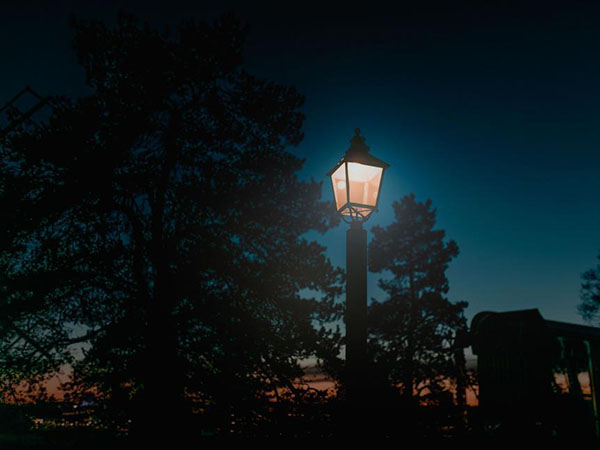
In today’s world, artificial light at night (ALAN) is everywhere. From streetlights and security lighting to the glow of electronic devices in our homes, our nights are rarely truly dark.
While artificial lighting enhances safety, productivity, and accessibility, it has far-reaching effects on the natural environment—especially trees, the silent giants of our ecosystems.
Disrupted Circadian Rhythms
Trees, like humans, rely on circadian rhythms—internal biological clocks that regulate growth, flowering, leaf expansion, and stress responses. Exposure to artificial light at night can disrupt these rhythms, causing trees to perceive nighttime as an extension of daylight.
This disruption can suppress hormone production, including melatonin, which is essential for regulating growth and coping with environmental stressors. Reduced resilience increases vulnerability to pests, disease, and extreme weather events, potentially weakening trees over time.
Altered Phenology
Phenology refers to the timing of seasonal biological events, such as bud burst, flowering, and leaf drop. Artificial light can desynchronize these cycles, causing trees to leaf out prematurely in spring or delay dormancy in fall.
For example, trees near streetlights may begin leafing before the last frost has passed, damaging young growth. Similarly, delayed dormancy exposes trees to harsh winter conditions, further stressing urban and natural forests.
Broader Ecological Implications
The consequences of ALAN extend beyond individual trees. Trees provide habitat, food, and shelter for countless species. Disrupted growth and phenology can affect pollinators, herbivores, and other wildlife, creating cascading ecological effects.
Light pollution also disrupts nocturnal animals, alters migration patterns, and diminishes the natural beauty of the night sky, underscoring the interconnections between urban lighting and ecosystem health.
Mitigation and Solutions
While the effects of artificial light are concerning, steps can be taken to minimize its impact:
As urbanization continues, understanding how artificial light affects trees is crucial. By adopting thoughtful lighting practices, we can support tree health, protect wildlife, and preserve urban and natural forests for generations to come.
Thoughtful planning and mitigation ensure that artificial light enhances our lives without compromising the resilience and ecological role of trees in our environment.
While artificial lighting enhances safety, productivity, and accessibility, it has far-reaching effects on the natural environment—especially trees, the silent giants of our ecosystems.
Disrupted Circadian Rhythms
Trees, like humans, rely on circadian rhythms—internal biological clocks that regulate growth, flowering, leaf expansion, and stress responses. Exposure to artificial light at night can disrupt these rhythms, causing trees to perceive nighttime as an extension of daylight.
This disruption can suppress hormone production, including melatonin, which is essential for regulating growth and coping with environmental stressors. Reduced resilience increases vulnerability to pests, disease, and extreme weather events, potentially weakening trees over time.
Altered Phenology
Phenology refers to the timing of seasonal biological events, such as bud burst, flowering, and leaf drop. Artificial light can desynchronize these cycles, causing trees to leaf out prematurely in spring or delay dormancy in fall.
For example, trees near streetlights may begin leafing before the last frost has passed, damaging young growth. Similarly, delayed dormancy exposes trees to harsh winter conditions, further stressing urban and natural forests.
Broader Ecological Implications
The consequences of ALAN extend beyond individual trees. Trees provide habitat, food, and shelter for countless species. Disrupted growth and phenology can affect pollinators, herbivores, and other wildlife, creating cascading ecological effects.
Light pollution also disrupts nocturnal animals, alters migration patterns, and diminishes the natural beauty of the night sky, underscoring the interconnections between urban lighting and ecosystem health.
Mitigation and Solutions
While the effects of artificial light are concerning, steps can be taken to minimize its impact:
- Use Light Responsibly: Shield lights to prevent upward glare, employ motion sensors or timers, and limit unnecessary illumination.
- Choose Tree-Friendly Lighting: Warm-colored, low-intensity LEDs reduce ecological disruption while meeting human needs.
- Implement Zoning and Regulations: Municipalities can limit light use in parks, wildlife corridors, and nature reserves.
- Raise Awareness: Educate communities about the ecological impacts of light pollution to encourage responsible lighting practices.
As urbanization continues, understanding how artificial light affects trees is crucial. By adopting thoughtful lighting practices, we can support tree health, protect wildlife, and preserve urban and natural forests for generations to come.
Thoughtful planning and mitigation ensure that artificial light enhances our lives without compromising the resilience and ecological role of trees in our environment.