
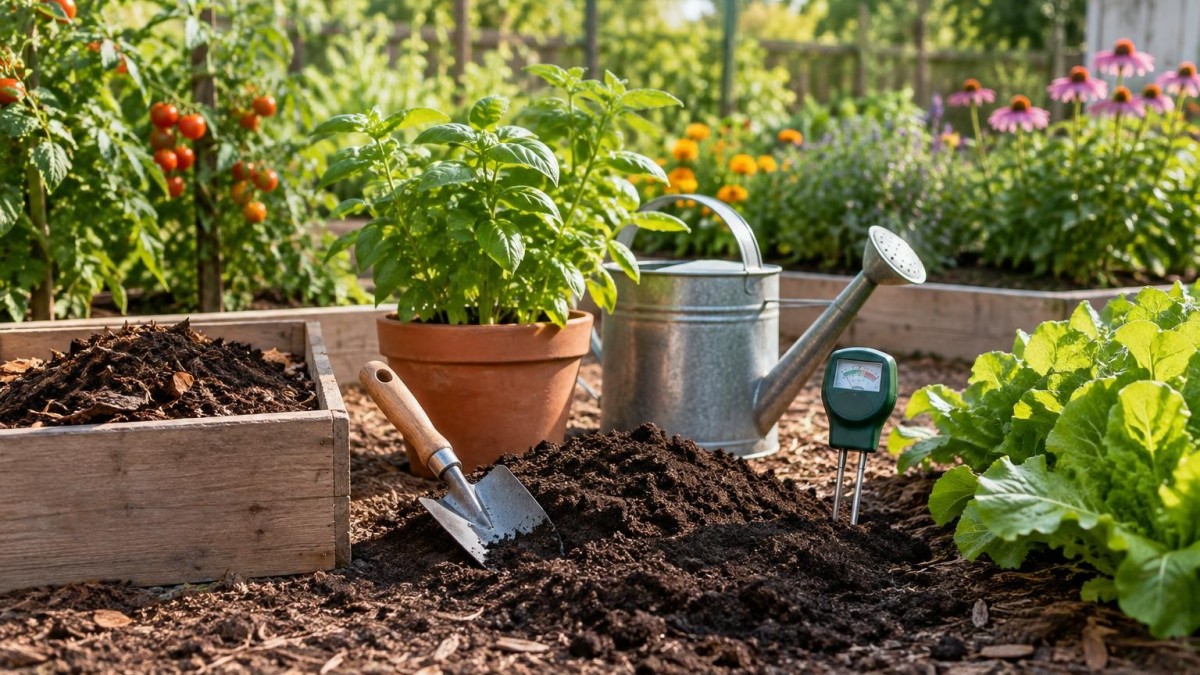
Building a Strong Foundation with Soil Care
Soil is the heart of any successful garden. Neglecting its health can stunt plant development and invite problems. To keep your garden thriving, regularly check your soil's nutrient levels, pH, and structure. Incorporate organic matter like compost or aged manure to enrich the soil, boost moisture retention, and foster robust root systems. A healthy soil environment sets the stage for vigorous growth and a balanced garden ecosystem.
Water Wisely to Avoid Overwatering
While watering is essential, too much can harm plants by causing root rot and flushing away vital nutrients. Tailor your watering routine to the specific needs of your plants, soil type, and local climate. Use tools like moisture meters or simply feel the soil before watering. Consider drip irrigation or soaker hoses to deliver consistent moisture efficiently, reduce waste, and keep plants healthy.
Take Control of Pests and Diseases Early
Ignoring pests and diseases can quickly undermine your garden's health. Instead of depending heavily on chemicals, focus on prevention through early detection. Encourage beneficial insects, practice companion planting, and maintain garden cleanliness. Promptly remove any infected parts and rotate crops to minimize pest buildup. These steps foster a resilient garden environment and keep problems manageable.
Give Plants Room to Breathe
Overcrowding is a common mistake that hinders sunlight access, airflow, and nutrient uptake, increasing disease risk. Stick to recommended spacing guidelines for each plant species to promote stronger growth and better air circulation. Proper spacing also makes routine tasks like pruning and harvesting more manageable, improving overall garden health.
Stay Consistent with Maintenance
Regular upkeep such as pruning, deadheading, and weeding keeps plants vigorous and visually appealing. Removing dead or diseased material improves air flow and reduces pest issues. Set a maintenance schedule to keep your garden tidy, productive, and safe.
Plan Your Garden Thoughtfully
Jumping into planting without a plan often results in underperforming plants and wasted space. Take time to design a layout considering sunlight patterns, soil conditions, compatible plant groupings, and seasonal changes. A purposeful plan helps you maximize your garden’s potential while minimizing stress and upkeep.
By breaking these common bad gardening habits—neglecting soil and spacing, overwatering, ignoring pests, skipping maintenance, and failing to plan—you’ll lay the groundwork for a lush, resilient garden. Gardening is an evolving learning journey, and each correction brings you closer to a thriving outdoor space that brings joy and beauty year after year.
Newsletter Station provides professionally written, ready-to-send newsletters customized for your market and brand.
EXPLORE NEWSLETTER OPTIONS