
FEATURE ARTICLE
When and How to Use Color on Your Ceiling
Jan 28, 2026
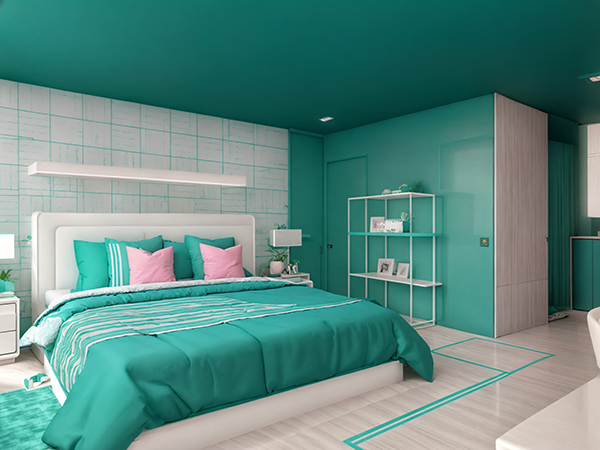
When it comes to interior design, most homeowners focus on walls, floors, and furnishings. However, the ceiling—often called the “fifth wall”—is a frequently overlooked design element that can dramatically influence a room’s overall look and feel.
While white ceilings remain a popular default, using color on your ceiling can be both a bold aesthetic statement and a practical design solution when done thoughtfully.
Below, we explore when and how adding color to your ceiling can enhance your interior spaces and elevate your home’s design.
Don’t be afraid to explore creative options. With the right color and finish, your ceiling can transform your interior and elevate the overall atmosphere of every room.
While white ceilings remain a popular default, using color on your ceiling can be both a bold aesthetic statement and a practical design solution when done thoughtfully.
Below, we explore when and how adding color to your ceiling can enhance your interior spaces and elevate your home’s design.
-
Small Rooms and Low Ceilings
Using color on the ceiling can be a smart strategy for smaller rooms or low-ceilinged areas. Light, airy shades such as soft blues, pale greens, or warm off-whites can help reflect light and create the illusion of height. This approach works exceptionally well in bathrooms, powder rooms, hallways, and laundry rooms where ceilings often feel closer and natural light may be limited. -
Defining Spaces in Open Floor Plans
In open-concept homes, ceiling color can play a key role in visually defining different functional areas. For example, painting the dining area ceiling a slightly different hue than the living room ceiling can subtly separate spaces without interrupting flow. This technique is particularly effective in modern homes where walls are minimal, but a visual structure is still needed. -
Adding Drama and Depth
If your goal is to create drama or a cozy atmosphere, consider darker or more saturated ceiling colors. Shades like navy, charcoal, forest green, or even black can add depth and sophistication. These colors work best in rooms with higher ceilings, such as living rooms, bedrooms, or libraries, where bringing the ceiling “down” can make the space feel warmer and more intimate. -
Highlighting Architectural Details
Ceiling color is an excellent way to draw attention to architectural features such as exposed beams, tray ceilings, coffered ceilings, or crown molding. Painting these elements in a contrasting or complementary color can add character and visual interest. This approach is especially practical in historic homes or spaces with unique craftsmanship that deserves to be showcased. -
Creating a Ceiling Focal Point
In certain rooms, the ceiling itself can become a focal point. Decorative paint techniques, subtle patterns, wallpaper, or murals can make a ceiling stand out without overwhelming the room. Nurseries, children’s bedrooms, and creative spaces are ideal for playful ceiling designs, while dining rooms or entryways may benefit from elegant patterns or soft metallic accents. -
Coordinating with Your Décor
A successful ceiling color should always harmonize with the rest of the room. Consider existing wall colors, flooring, furniture, and lighting before making a decision. A cohesive color palette creates balance and ensures the ceiling enhances rather than distracts from the overall design. -
Experimenting with Finishes and Textures
Beyond color, finishes can significantly affect a ceiling's appearance. Glossy or satin finishes can reflect light and add a modern touch, while matte finishes offer a softer, more traditional feel. Textured treatments such as wood paneling, faux beams, or subtle plaster effects can also add depth and personality, especially in rustic or transitional spaces.
Don’t be afraid to explore creative options. With the right color and finish, your ceiling can transform your interior and elevate the overall atmosphere of every room.