
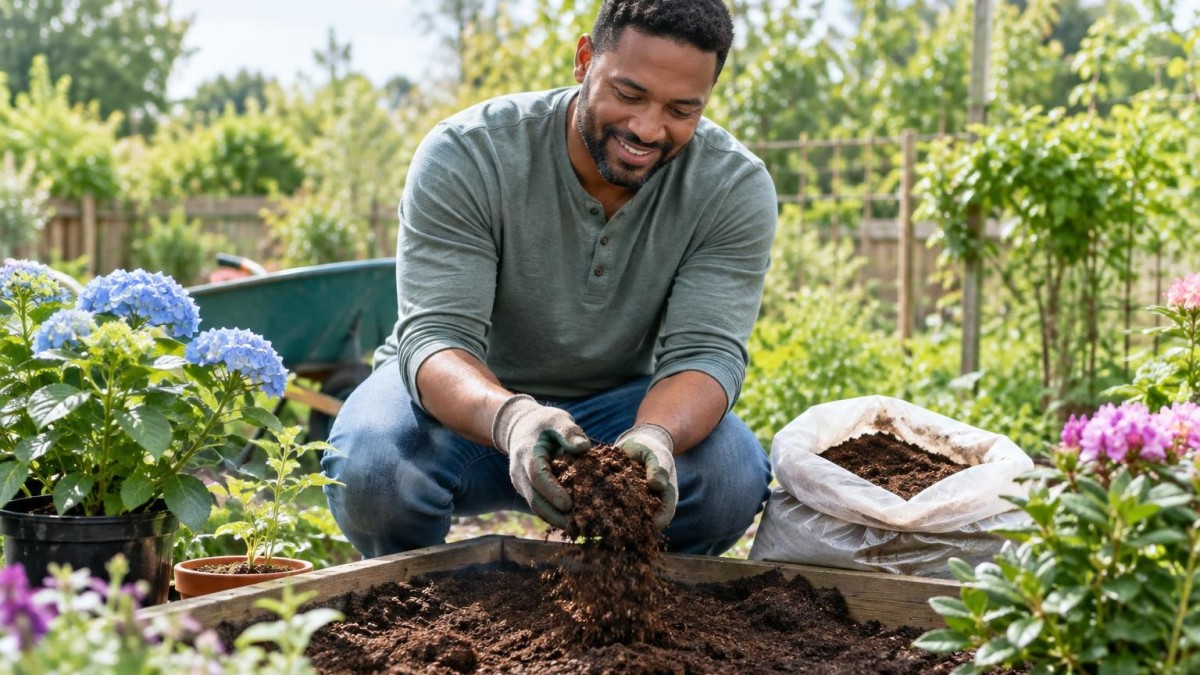
Understanding Peat Moss
Peat moss is an organic material formed over centuries in waterlogged, acidic environments, where layers of dead plant matter partially decompose. Most commonly derived from sphagnum moss, peat moss is prized for its ability to retain water and improve soil quality, making it a popular choice among gardeners and landscapers.
Practical Uses in Gardening
Gardeners often incorporate peat moss to enhance soil and plant health. It works especially well as a soil amendment by loosening dense clay soils, which improves root growth, water drainage, and nutrient uptake. In container gardening, peat moss helps maintain moisture, preventing soil from drying out quickly and supporting plant vitality.
Its naturally acidic nature suits acid-loving plants like blueberries, azaleas, and rhododendrons, allowing these species to thrive in your garden. Additionally, peat moss provides a gentle, soft medium ideal for starting seeds and nurturing delicate seedlings. While less common, it can also serve as mulch to retain soil moisture and protect roots, particularly in colder regions.
Benefits of Using Peat Moss
This material stands out due to its excellent water-holding capacity and ability to improve soil aeration, which keeps roots healthy and encourages robust plant growth. Its acidity can balance alkaline soils, expanding the range of plants you can successfully cultivate. Peat moss is also known for mild antimicrobial properties that may help reduce soil-borne diseases, giving your garden a healthier start.
Environmental Impact and Responsible Choices
While peat moss offers many advantages, it’s important to consider its environmental footprint. Peat bogs are sensitive ecosystems home to unique plant and animal life. Unsustainable harvesting can damage these habitats and release stored carbon dioxide, contributing to climate change.
To minimize impact, look for peat moss labeled as sustainably harvested, where careful extraction and restoration efforts help preserve the ecosystem. You might also explore alternatives like coconut coir, compost, or leaf mold, which provide similar soil benefits without risking peatland degradation.
By making informed decisions—using peat moss thoughtfully, sourcing responsibly, and considering eco-friendly substitutes—you can support a healthy garden while protecting vital natural resources for years to come.
Newsletter Station provides professionally written, ready-to-send newsletters customized for your market and brand.
EXPLORE NEWSLETTER OPTIONS