
FEATURE ARTICLE
Allergy-Friendly Lawn Care: Tips for a Healthier Outdoor Space
Jan 21, 2026
For many, spring signals warmer weather, blooming flowers, and the return of outdoor activities. But for allergy sufferers, it can also trigger sneezing, itchy eyes, and congestion from pollen and other allergens.
Fortunately, proper lawn care can significantly reduce allergens, creating a more comfortable and enjoyable outdoor environment. In this guide, we’ll explore effective lawn care practices tailored for allergy sufferers, helping you breathe easier while maintaining a vibrant and healthy yard.
By implementing these strategies, your outdoor space can become a sanctuary, allowing you to enjoy fresh air, blooming flowers, and outdoor activities—even during peak allergy season. With attention and care, a healthier, allergy-conscious lawn is entirely achievable.
Fortunately, proper lawn care can significantly reduce allergens, creating a more comfortable and enjoyable outdoor environment. In this guide, we’ll explore effective lawn care practices tailored for allergy sufferers, helping you breathe easier while maintaining a vibrant and healthy yard.
-
Choose Low-Allergen Plants
Selecting the right plants can drastically reduce pollen exposure:- Flowering plants: Opt for species with large, brightly colored flowers, which rely on insects for pollination and release less pollen into the air.
- Native plants: Local species are naturally adapted and tend to produce less pollen than non-native plants.
- Female plants: In dioecious plant species, female plants produce flowers without pollen, making them excellent allergy-friendly choices.
-
Maintain a Regular Mowing Schedule
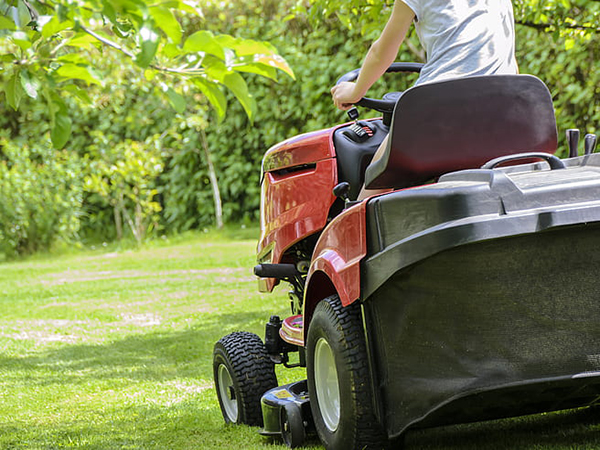
Frequent mowing keeps your lawn tidy and prevents allergenic grasses and weeds from growing unchecked. Aim to mow once a week during the growing season and maintain grass at 2–3 inches in height. Tall grass can trap pollen, dust, and other allergens, so consistent mowing is key to managing allergies. -
Use Allergy-Friendly Lawn Care Products
Choose fertilizers, herbicides, and pesticides labeled allergy-friendly or hypoallergenic. These products help reduce airborne particles and minimize allergic reactions. Consider natural or organic alternatives, which often contain fewer harsh chemicals and can be safer for both the environment and sensitive individuals. -
Control Weeds and Allergenic Plants
Weeds like ragweed and certain grasses are major sources of allergens. Proactively control weeds by hand-pulling or using targeted herbicides. Removing allergenic plants from landscaping reduces pollen exposure and makes your outdoor space more comfortable during peak allergy seasons. -
Create Allergy-Free Zones
Designate areas of your yard as allergy-free zones where you can relax when pollen counts are high. Examples include screened-in porches, patios, or indoor-outdoor spaces equipped with HEPA air purifiers to filter airborne allergens. These spaces provide a safe retreat without sacrificing enjoyment of your outdoor environment. -
Practice Smart Watering
Overwatering can encourage mold and mildew, which worsen allergy symptoms. Water early in the morning to allow moisture to evaporate during the day. Consider using drip irrigation or soaker hoses, which deliver water directly to plant roots, reduce surface moisture, and prevent mold growth while conserving water. -
Monitor Pollen Levels
Stay informed about local pollen counts using weather forecasts or apps. On high-pollen days, limit outdoor activities or take precautions such as wearing a mask, changing clothes, and showering after being outdoors to remove pollen from skin and hair.
- Mulching carefully: Use coarse mulches to minimize airborne dust.
- Pruning regularly: Trim shrubs and trees to reduce pollen release.
- Soil health: Healthy soil supports plants that are more resistant to stress, reducing the likelihood of allergenic weed proliferation.
By implementing these strategies, your outdoor space can become a sanctuary, allowing you to enjoy fresh air, blooming flowers, and outdoor activities—even during peak allergy season. With attention and care, a healthier, allergy-conscious lawn is entirely achievable.