
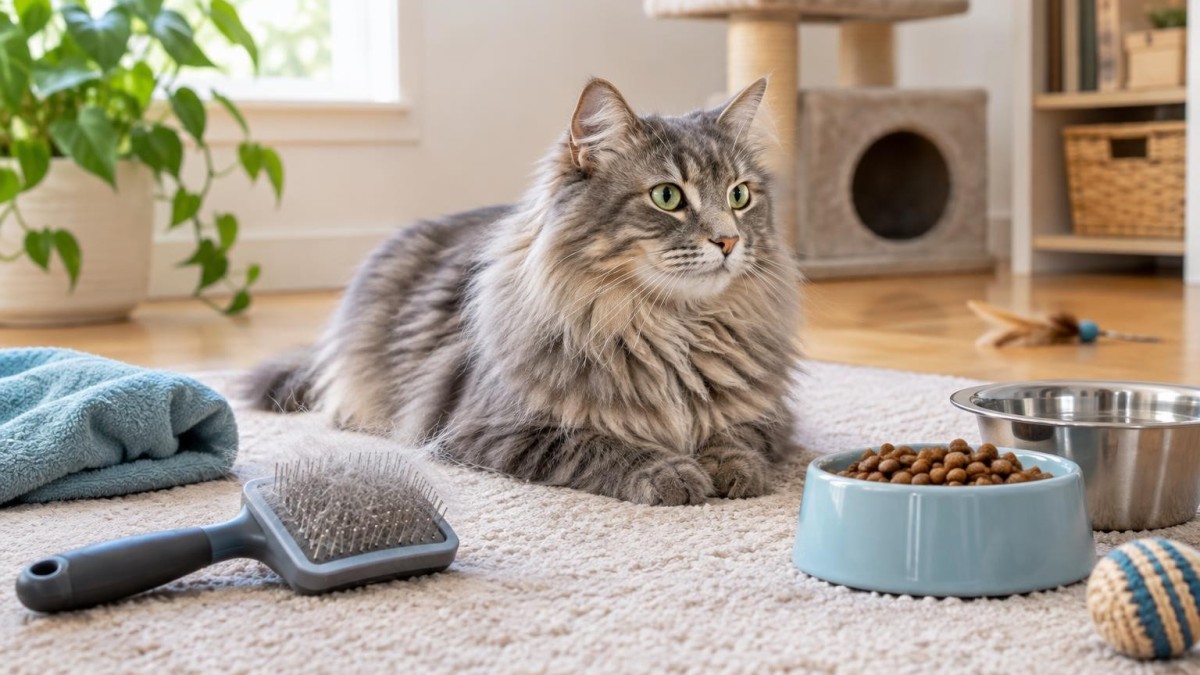
Understanding Hairballs and Their Impact
Hairballs are a common annoyance for many cat owners, sparking concern when your furry friend hacks up a clump of fur. These occur because cats groom themselves by licking, ingesting loose hair that can sometimes accumulate in their stomach, forming a dense mass. While occasional hairballs are normal, frequent bouts might indicate the need for preventive care.
Grooming: The Key to Prevention
One of the simplest and most effective ways to reduce hairballs is through regular grooming. Brushing your cat removes loose fur before they can swallow it, which is especially important during shedding seasons. Short-haired cats generally need weekly brushing, while long-haired breeds often benefit from more frequent sessions. Grooming not only helps keep hairballs at bay but also promotes a healthy coat and strengthens the bond between you and your cat.
Supporting Digestion and Hydration
A diet formulated for hairball control can make a significant difference. Foods with added fiber help fur pass more smoothly through the digestive system and support overall coat health, reducing shedding over time. Always consult your vet before switching foods to ensure it meets your cat’s specific health needs. Additionally, keeping your cat well-hydrated is vital; offering fresh water daily and incorporating moisture-rich wet food can contribute to better digestion and reduce hairball risk.
Exercise and Enrichment to Keep Things Moving
Physical activity benefits digestion and prevents boredom, which can contribute to excessive grooming and hair ingestion. Regular playtime with interactive toys and opportunities for climbing or exploring fosters a healthy, active lifestyle for your cat, helping to minimize hairball issues.
When Additional Measures Are Needed
For cats prone to frequent hairballs, specialized remedies like lubricating gels or pastes may be recommended by your veterinarian. These help the digestive tract pass swallowed hair more easily. Never start supplements without veterinary guidance, and always follow the recommended dosages.
Regular Veterinary Care Matters
Routine vet visits are essential to catch any underlying health issues that might contribute to hairball problems. Persistent or severe hairballs accompanied by other symptoms like vomiting or appetite changes warrant professional evaluation to ensure your cat’s well-being.
By combining regular grooming, proper nutrition, hydration, exercise, and veterinary support, you can help minimize hairball occurrences, keeping your cat comfortable and your home cleaner. Taking these proactive steps ensures your feline companion enjoys a happier, healthier life by your side.
Newsletter Station provides professionally written, ready-to-send newsletters customized for your market and brand.
EXPLORE NEWSLETTER OPTIONS