
What Causes Wood Decay?
Wood decay happens when fungi feed on wood fibers, breaking down cellulose and lignin. These fungi need moisture to thrive, often in damp, poorly ventilated areas like basements, decks, crawl spaces, and window frames. Different types of decay—such as brown rot, white rot, and soft rot—affect wood in various ways, but all require moisture to develop.
Preventing Wood Decay Starts with Moisture Control
The most crucial step in protecting your home is managing moisture. Fix leaks in roofs, plumbing, and foundations quickly. Ensure good ventilation in places like bathrooms, kitchens, basements, and crawl spaces. In consistently humid areas, using a dehumidifier can keep moisture levels down.
Regular inspections can catch problems early. After heavy rains or seasonal changes, look around doors, windows, roofs, siding, and decks for soft spots, discoloration, or mold. Keeping gutters clean and directing downspouts away from your home also prevents water from pooling near the foundation.
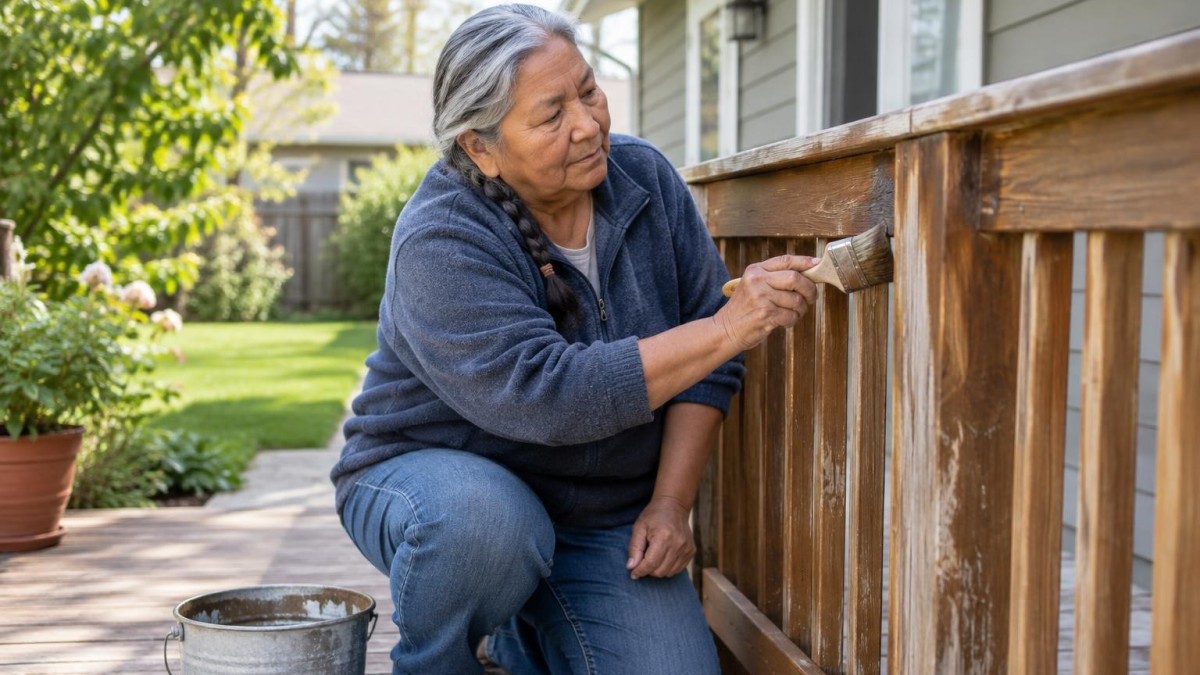
Exterior wood surfaces benefit from weather-resistant sealants to block moisture and fungal growth. Be sure to reapply these treatments as recommended, especially in wet or humid climates. Also, trimming back shrubs and trees improves airflow around your home and helps keep wood dry. Avoid piling mulch or soil directly against wooden structures, which can trap moisture.
When building or upgrading outdoor features, choose pressure-treated or naturally rot-resistant wood. These materials are engineered to better withstand moisture and slow decay.
Early Detection and Smart Repairs
If wood decay does appear, spotting it early is key. Watch for soft or crumbling wood, discoloration, a musty smell, or signs of mold and fungus. Minor issues might be treatable with wood hardeners or fungicides, but more extensive damage usually requires professional assessment to ensure your home’s structural safety.
Replace any heavily damaged wood promptly, but always address the underlying moisture problem before installing new materials. Continuing to monitor affected areas helps prevent future decay and keeps your home secure over time.
Wood decay can seriously affect your home, but with smart maintenance, moisture control, and timely repairs, you can protect your investment and maintain a safe, comfortable living space.
Newsletter Station provides professionally written, ready-to-send newsletters customized for your market and brand.
EXPLORE NEWSLETTER OPTIONS