
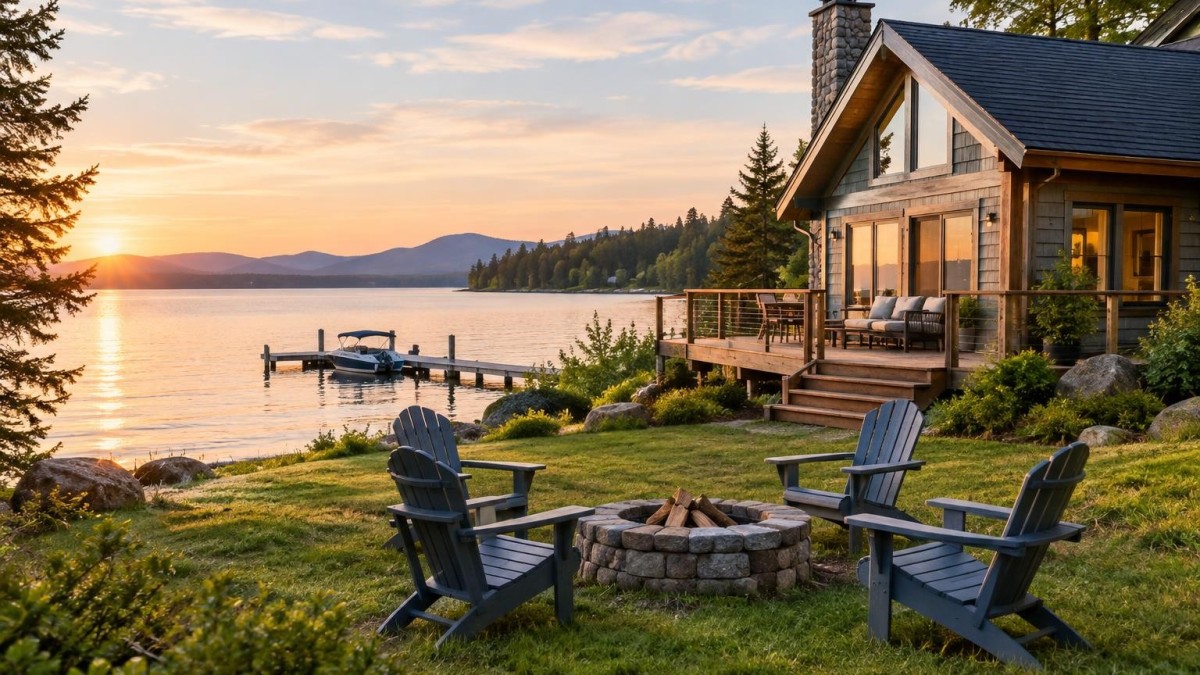
Owning a vacation home offers a special place to relax and build treasured memories with loved ones. Yet, protecting this valuable getaway requires proper insurance tailored to its unique needs.
Understanding Location Risks
Your vacation home’s location plays a big role in coverage needs and costs. Properties in hurricane-prone coastal areas, wildfire zones, flood plains, or earthquake regions often need extra protection beyond a standard homeowners policy. More remote homes may also face greater risks of theft or vandalism, making specialized security coverage important. Partner with an insurer knowledgeable about your area’s specific exposures to ensure appropriate protection.
How You Use Your Vacation Home Matters
Insurance requirements can change based on whether you rent out your vacation home or use it exclusively for personal enjoyment. Rental properties typically require a vacation rental insurance policy that covers liability, damage caused by guests, and lost rental income. If only you and your family use the home, a standard policy may suffice—but verify the details and limits with your insurer to avoid surprises.
Seasonal Use and Vacancy Concerns
Since many vacation homes are only used part of the year, prolonged vacancies can introduce risks like unnoticed leaks, vandalism, or pest problems. Look into vacant property or seasonal dwelling coverage designed to address these concerns. For homes in cold climates, make sure your policy protects against damage from freezing, ice, and heavy snow—common causes of costly repairs.
Accurate Valuation and Replacement Costs
Keep your insurance aligned with your home’s true value. Construction costs and custom features change over time, so it’s wise to regularly reassess the replacement cost of your vacation home. Working with an insurance professional or appraiser can help confirm your coverage is sufficient to rebuild or repair if needed.
Consider Additional Coverages
Beyond the basics, you may want endorsements covering personal belongings, detached structures like boathouses, and liability tied to recreational activities such as boating or skiing. High-value items—artwork, jewelry, electronics—might also need extra protection. Consulting with an agent can reveal gaps to address in your current policy.
Balancing Deductibles and Premiums
Choosing the right deductible and premium balance is key. Higher deductibles usually lower your premium but mean more out-of-pocket expense if a claim occurs. Lower deductibles offer more financial security during claims but increase your ongoing costs. Weigh your budget and risk comfort carefully to find the best fit.
Regular Policy Reviews
Your insurance needs can shift with changes to your property, how often you use it, or new local regulations. Regularly review and update your coverage with your insurer to keep your vacation home fully protected.
Protecting your vacation home thoughtfully means considering its location, how you use it, seasonal risks, and coverage details like valuation, endorsements, and payment choices. Working with a knowledgeable insurance professional can give you confidence that your retreat is safeguarded for years of enjoyment.
Newsletter Station provides professionally written, ready-to-send newsletters customized for your market and brand.
EXPLORE NEWSLETTER OPTIONS