
FEATURE ARTICLE
How to Tell If a Tree Is Dead: Key Signs Every Property Owner Should Know
Jan 14, 2026
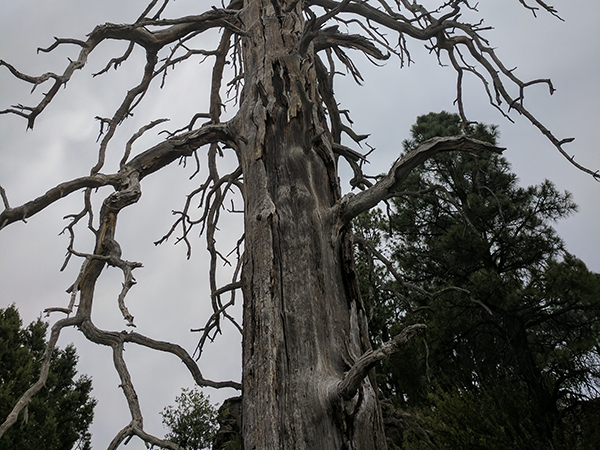
Trees are essential to our environment, providing shade, oxygen, wildlife habitat, and natural beauty. On residential and commercial properties, they also add value and curb appeal. Because trees play such a vital role, it’s important to recognize when one may be struggling—or has already died—due to disease, pests, weather damage, or environmental stress.
Knowing how to assess a tree’s condition can help you take timely action, protect nearby structures, and maintain a healthy landscape. Below are practical ways to determine whether a tree is alive or dead and when to seek professional help.
Signs a Tree May Be Dead or Dying
By inspecting bark, leaves, branches, and roots—and seeking expert advice when needed—you can make informed decisions that protect both your landscape and the surrounding environment.
Knowing how to assess a tree’s condition can help you take timely action, protect nearby structures, and maintain a healthy landscape. Below are practical ways to determine whether a tree is alive or dead and when to seek professional help.
Signs a Tree May Be Dead or Dying
-
Examine the Bark
Healthy trees typically have firm, intact bark. If you notice extensive cracking, peeling, loose bark, or large bare patches, the tree may be under severe stress. Missing bark can disrupt nutrient and water flow, accelerating decline. -
Look for Leaf or Needle Growth
Leaf production is one of the clearest indicators of tree health. Deciduous trees should leaf out in spring, while evergreen trees should retain green needles year-round. Sparse foliage, discolored leaves, or no growth at all during the growing season can signal serious trouble. -
Perform a Scratch Test
Choose a small twig or branch and gently scrape the outer layer. Green, moist tissue beneath indicates life. Brown, dry tissue suggests that the section is dead. Test several branches, as partial dieback doesn’t always mean the entire tree is dead. -
Inspect the Roots and Base
Roots are critical to a tree’s survival. Look for fungal growth, soft or decaying wood near the base, or soil heaving around the trunk. Construction damage, compacted soil, or severed roots can all contribute to decline over time. -
Observe Branch Structure
Dead or dying trees often have brittle branches that snap easily. Bare limbs in the upper canopy, excessive deadwood, or discoloration may indicate disease, insect infestation, or advanced decline. -
Try a Snap Test
Gently bend a small branch. Healthy branches are flexible, while dead ones snap cleanly and appear dry inside. This test is beneficial for deciduous trees. -
Consult a Certified Arborist
If you’re uncertain about a tree’s condition, a certified arborist can provide a professional evaluation. Arborists can diagnose problems, assess a tree's recovery potential, and recommend pruning, treatment, or safe removal if necessary.
By inspecting bark, leaves, branches, and roots—and seeking expert advice when needed—you can make informed decisions that protect both your landscape and the surrounding environment.