
FEATURE ARTICLE
How to Repair Wood Floor Scratches and Restore Their Natural Beauty
Jan 7, 2026
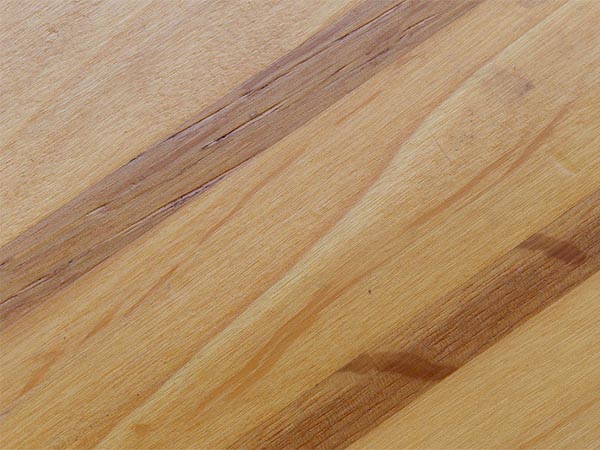
Wood floors are a timeless, elegant feature that adds warmth and value to any home. While they’re known for durability, everyday wear and tear—moving furniture, pet claws, shoes, and general foot traffic—can eventually leave visible scratches. Even minor surface damage can dull the appearance of an otherwise beautiful floor.
The good news is that many wood floor scratches are easy to repair without professional refinishing. With the right approach, you can restore your floors’ appearance and extend their lifespan. Below are five essential tips to help you repair wood floor scratches effectively and confidently.
Scratches on wood floors may be unavoidable, but they don’t have to be permanent. With proper care, timely repairs, and preventive measures, you can preserve the natural beauty and elegance of your flooring for years to come. Routine maintenance not only enhances appearance but also protects your investment in your home.
The good news is that many wood floor scratches are easy to repair without professional refinishing. With the right approach, you can restore your floors’ appearance and extend their lifespan. Below are five essential tips to help you repair wood floor scratches effectively and confidently.
-
Assess the Damage Carefully
Before beginning any repair, determine the depth of the scratch. Light scratches typically affect only the protective finish, while deeper scratches penetrate the wood itself. Run your fingernail gently over the scratch—if it catches, the damage is likely more serious and may require more intensive repair. Proper assessment ensures you choose the most effective solution and avoid unnecessary work. -
Clean the Area Thoroughly
Cleaning is a critical first step. Use a gentle, wood-safe cleaner and a soft microfiber cloth to remove dirt, dust, and residue from the scratched area. A clean surface allows repair materials to bond properly and prevents additional scratching during the repair process. Ensure the area is arid before proceeding. -
Use Wax Sticks or Wood Filler
For surface-level scratches, wax sticks are an easy and effective solution. Available in a range of wood tones, they help conceal minor imperfections quickly. Rub the wax into the scratch, then smooth away excess with a plastic scraper or credit card.
For slightly deeper scratches, wood filler offers a more durable fix. Apply it with a putty knife, following the wood grain. Once dry, lightly sand the area to ensure a smooth, seamless finish. -
Sand and Refinish When Needed
Deeper scratches or larger damaged areas may require sanding and refinishing. Use fine-grit sandpaper and sand gently in the direction of the wood grain. After removing dust, apply a matching stain to blend the repaired area with the rest of the floor. Finish with a protective sealant or polyurethane to restore shine and protect against future damage. -
Prevent Future Scratches
Prevention plays a significant role in maintaining wood floors. Place felt pads under furniture legs, use area rugs in high-traffic zones, and add doormats at entryways to trap dirt and grit. Regular sweeping or vacuuming helps prevent abrasive particles from scratching the surface. Trimming pet nails and lifting—not dragging—furniture also make a noticeable difference.
Scratches on wood floors may be unavoidable, but they don’t have to be permanent. With proper care, timely repairs, and preventive measures, you can preserve the natural beauty and elegance of your flooring for years to come. Routine maintenance not only enhances appearance but also protects your investment in your home.