
FEATURE ARTICLE
Safeguarding Your Investment: Exploring Vacant Property Insurance Coverage Options
Jan 7, 2026
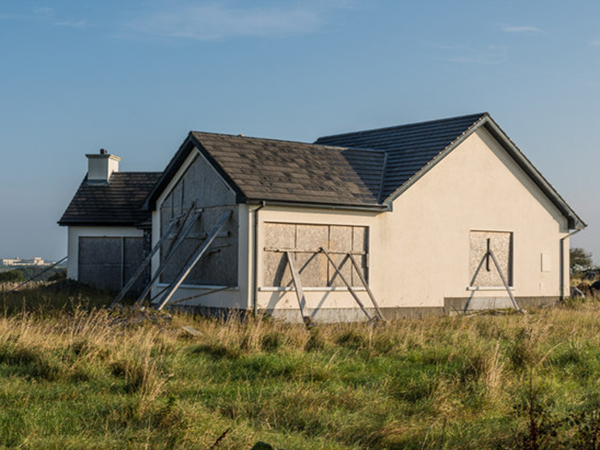
Owning vacant properties can be both a profitable investment and a challenging responsibility. While unoccupied properties may offer opportunities for future development, resale, or rental income, they also carry unique risks that require careful management.
One of the most effective ways to safeguard these investments is through specialized vacant property insurance tailored to address the specific vulnerabilities of unoccupied properties.
Understanding the Risks
Vacant properties face risks that standard homeowners' or landlord insurance policies often don’t cover. These include:
Why Vacant Property Insurance Matters
Vacant property insurance provides specialized coverage for unoccupied properties. Coverage options vary by provider, but common features include:
Every vacant property is different, so coverage should reflect the property’s:
Additional Considerations for Vacant Property Owners
By carefully reviewing policies, consulting insurance professionals, and implementing preventive measures, property owners can safeguard their investments, enjoy peace of mind, and ensure long-term financial security.
One of the most effective ways to safeguard these investments is through specialized vacant property insurance tailored to address the specific vulnerabilities of unoccupied properties.
Understanding the Risks
Vacant properties face risks that standard homeowners' or landlord insurance policies often don’t cover. These include:
- Vandalism and theft: Unoccupied properties can attract trespassers or vandals.
- Damage from natural events: Storms, fire, or water damage can escalate quickly without routine monitoring.
- Liability issues: Accidents on-site can lead to legal claims.
- Maintenance-related damages: Minor leaks, electrical faults, or structural issues can worsen over time without regular upkeep.
Why Vacant Property Insurance Matters
Vacant property insurance provides specialized coverage for unoccupied properties. Coverage options vary by provider, but common features include:
-
Property Damage Coverage
This protects against damage caused by fire, windstorms, vandalism, and other perils. It reimburses repair or replacement costs, minimizing the financial impact of unexpected events. -
Liability Protection
Liability coverage shields property owners from legal claims arising from injuries on the property. It can cover medical costs, legal fees, and settlements resulting from bodily injury or property damage lawsuits. -
Loss of Rental Income
For investors planning to rent their property in the future, this coverage helps replace lost rental income if the property becomes uninhabitable due to covered damages, bridging the financial gap until it is ready for occupancy. -
Vandalism and Malicious Mischief
Vacant properties are frequent targets for vandalism. Coverage reimburses the cost of repairs caused by intentional acts of destruction, protecting your investment from avoidable losses. -
Extended Vacancy Coverage
Standard insurance policies often limit coverage for properties that remain unoccupied for extended periods. Vacant property insurance may provide extended vacancy protection, ensuring continuous coverage during long-term vacancies.
Every vacant property is different, so coverage should reflect the property’s:
- Location and neighborhood risk factors
- Current condition and structural integrity
- Intended use (future rental, sale, or redevelopment)
Additional Considerations for Vacant Property Owners
- Regular property inspections: Even with insurance, periodic checks can prevent minor issues from escalating.
- Security measures: Installing alarms, cameras, or fencing may reduce risks and lower insurance premiums.
- Documentation: Keep detailed records of property condition, improvements, and any incidents for claims purposes.
By carefully reviewing policies, consulting insurance professionals, and implementing preventive measures, property owners can safeguard their investments, enjoy peace of mind, and ensure long-term financial security.