
What Is Pre-Sprouting and Why Does It Matter?
Pre-sprouting, sometimes called pre-germination or chitting, is the practice of encouraging seeds to begin developing roots and shoots before placing them in soil. This process is usually done using moist paper towels or cotton pads inside a warm, enclosed space like a container or plastic bag. Especially helpful for seeds that take a long time to sprout or for gardeners facing short growing seasons, pre-sprouting gives your plants a head start and improves their chances of thriving once planted.
Benefits of Pre-Sprouting Seeds in Your Garden
One of the biggest advantages of pre-sprouting is speeding up germination. Seeds that have already started to grow will break through the soil faster, giving you visible progress sooner. This can also lead to stronger plants that establish themselves quickly.
Pre-sprouting helps you identify viable seeds before planting, so you won’t waste space or resources on seeds that won’t grow. It also reduces losses caused by soil pests, disease, or harsh conditions since sprouted seeds tend to be hardier.
Because you only plant seeds that have shown growth, you can space your plants more accurately at the start. This means less thinning later on, saving you time and minimizing stress for your plants. Plus, starting seeds indoors with pre-sprouting can extend your growing season, especially if you live in a cooler climate.
How to Pre-Sprout Seeds Successfully
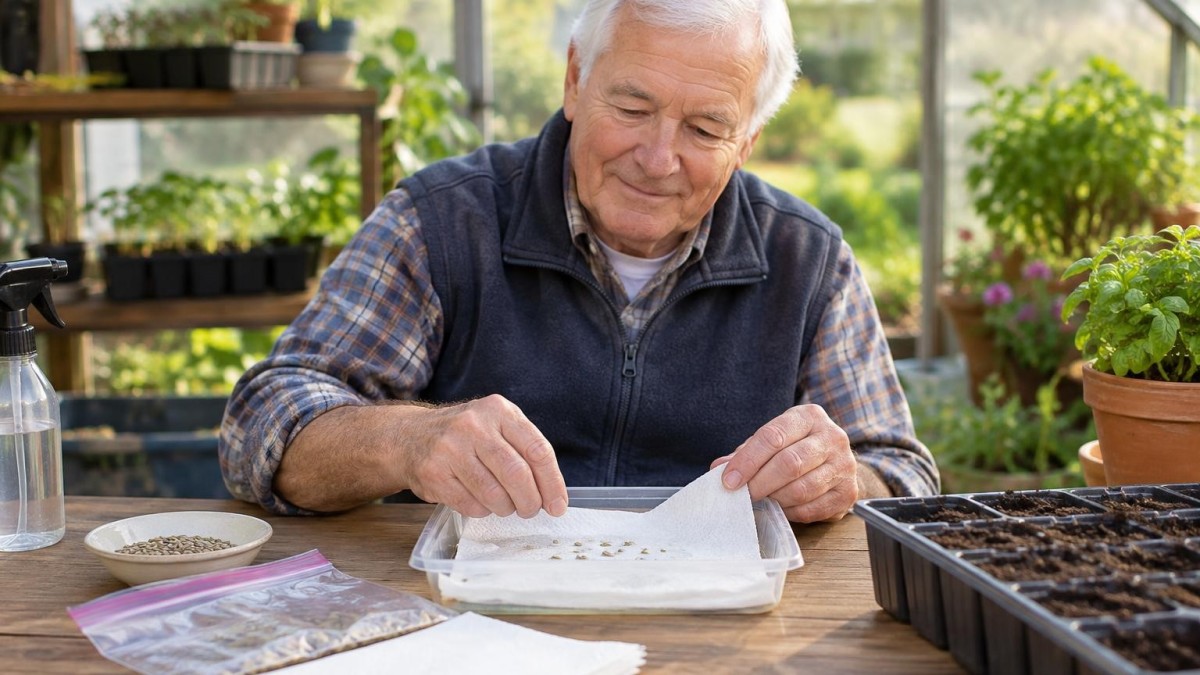
To try pre-sprouting, gather your seeds, some paper towels or cotton pads, a sealable plastic bag or container, and water. Moisten the paper towels—don’t soak them—and spread out your seeds evenly. Fold the towel over the seeds to keep them moist, then place it inside the container or bag to maintain humidity.
Keep your setup in a warm spot around 70 to 75°F (21 to 24°C). Check daily to make sure the towel remains damp, misting lightly if it feels dry. After a few days, you should see tiny roots or shoots emerging from the seeds.
Once sprouted, handle the seeds gently—notably the delicate roots—when transferring them to soil. Plant them at the appropriate depth for the seed type, and water carefully to avoid damaging the young seedlings.
While pre-sprouting takes a bit of extra attention, it pays off with faster-growing, healthier plants and less wasted effort. Giving your seeds a solid start sets the stage for a more successful and rewarding gardening season.
Newsletter Station provides professionally written, ready-to-send newsletters customized for your market and brand.
EXPLORE NEWSLETTER OPTIONS