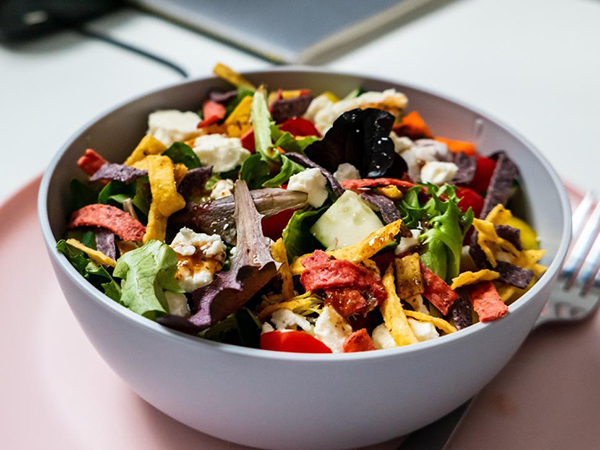
In today’s fast-paced world, cooking healthy meals for yourself can feel overwhelming. It’s easy to rely on fast food or convenience meals, but preparing nutritious dishes tailored to your tastes can significantly improve your health, energy, and overall well-being.
With a few strategies, cooking for one can be simple, enjoyable, and sustainable.
-
Plan Ahead
Planning is essential when cooking for one. Take time each week to outline your meals, check your schedule, and inventory your pantry. Thoughtful planning prevents last-minute unhealthy choices and reduces food waste.
-
Embrace Simplicity
Healthy cooking doesn’t need to be complicated. Focus on recipes with minimal ingredients and straightforward instructions. Simple meals save time, reduce stress, and can be scaled for leftovers or future meals.
-
Stock Healthy Pantry Staples
Keep your pantry stocked with whole grains, canned beans, nuts, seeds, dried herbs, and spices. These versatile staples allow you to create a variety of nutritious meals without frequent grocery trips.
-
Use Your Freezer Strategically
Your freezer is a key ally when cooking for one. Freeze leftovers in single portions for convenient future meals. Freeze fruits and vegetables to extend shelf life and reduce spoilage.
-
Repurpose Leftovers Creatively
Leftovers are opportunities, not waste. Transform roasted vegetables into salads or omelets, and turn cooked grains into stir-fries or grain bowls. Creative repurposing keeps meals fresh and exciting.
-
Invest in Versatile Kitchen Tools
A few multi-purpose tools make cooking easier. A small skillet, saucepan, baking sheet, or blender can handle most meals, from sauces and soups to smoothies and dips.
-
Try Batch Cooking
Set aside time each week to batch-cook staple ingredients such as grains, proteins, and vegetables. Portion and store them in the fridge or freezer for quick, nutritious meals throughout the week.
-
Prioritize Balance and Variety
Ensure your meals include lean proteins, whole grains, healthy fats, and plenty of fruits and vegetables. Balanced meals support energy, metabolism, and long-term health.
-
Listen to Your Body
Pay attention to hunger and fullness cues. Notice how different foods make you feel and adjust meals accordingly. Healthy eating is as much about nourishing your body and mind as it is about the ingredients you choose.
Cooking healthy meals for one doesn’t have to be time-consuming or complicated. By planning, embracing simplicity, and creatively using leftovers, you can enjoy delicious, nutrient-rich meals tailored to your lifestyle.
With these strategies, cooking for yourself can become a rewarding and sustainable practice that supports your health and well-being every day.