
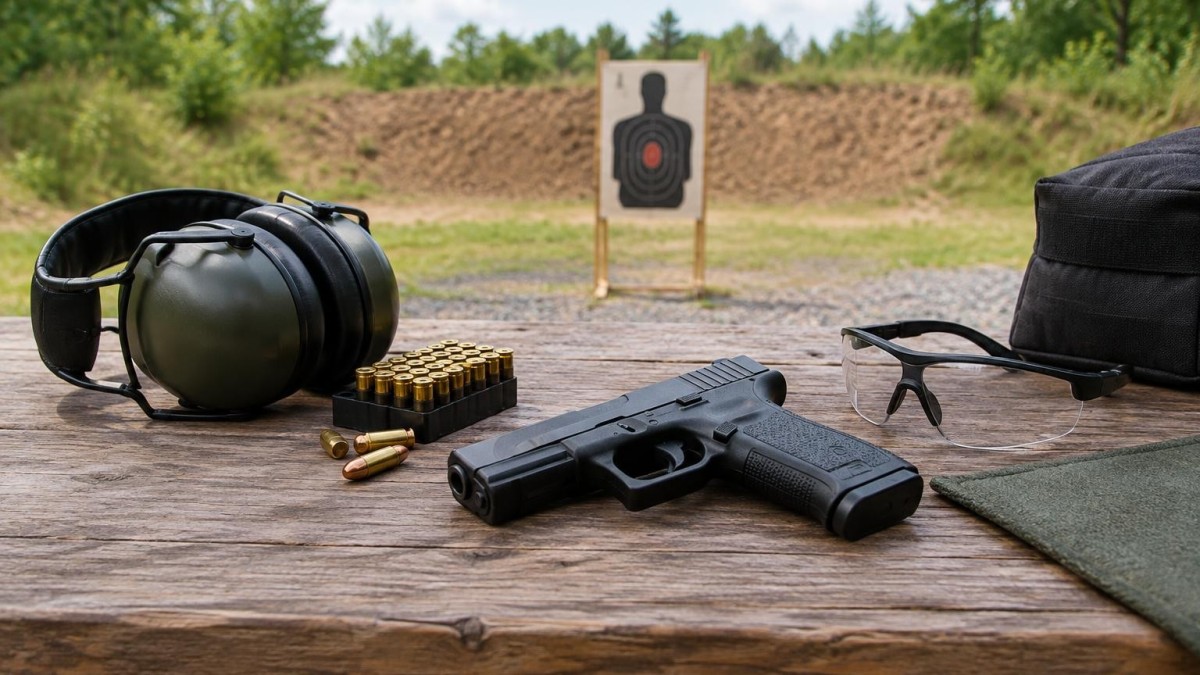
Understanding and Overcoming Flinch
Flinching is a common challenge for many shooters—an automatic, reflexive reaction that causes your muscles to tighten or jerk just before firing. This response is rooted in survival instincts, triggered by loud noises, recoil, or anticipation of the shot itself. While flinching can disrupt your aim and lower confidence, it’s a habit you can overcome with patience and practice.
Control Your Breathing for Better Stability
One of the simplest ways to reduce flinch is through mastering your breathing. Holding your breath too long or shallow breathing can increase tension and impatience. Before each shot, try taking a deep breath, slowly exhaling, then pausing briefly at the bottom of the exhale while gently squeezing the trigger. This method helps steady your body and smooth out your shot.
Retrain Your Trigger Pull With Dry-Fire Practice
Dry-firing—practicing trigger pulls on an unloaded firearm—is a highly effective technique to combat flinching. Because there’s no recoil or noise, it allows you to focus on proper grip, stance, sight alignment, and most importantly, developing a smooth, surprise trigger break without anticipating the shot. Regular dry-fire sessions build disciplined muscle memory and gradually break the flinch cycle.
Take Gradual Steps and Seek Guidance
Start your live-fire training with low-recoil firearms or reduced-recoil ammunition to build confidence without overwhelming your senses. Gradually work up to higher-recoil guns as you progress. Working with an experienced instructor can make a big difference, as they can spot subtle habits you might miss and suggest tailored drills to help you improve efficiently and safely.
Relax Your Body and Mind
Tension and stress often make flinching worse. Incorporate relaxation techniques before shooting sessions, like visualization exercises or deep muscle relaxation. Imagine a calm, smooth trigger pull and a clean hit. Feeling relaxed reduces your tendency to bristle at the noise or recoil.
Invest in Proper Protection Equipment
Quality ear protection can lessen the jarring noise that causes anticipatory flinch. Likewise, using recoil pads, shooting gloves, and choosing firearms that fit your hand well can reduce physical strain. When you’re comfortable, it’s easier to focus on technique instead of distractions.
Eliminating flinch doesn’t happen overnight, but with consistent effort, understanding, and the right practice techniques, you’ll notice big improvements in your accuracy and enjoyment. Whether you’re just starting or have years on the range, tackling flinch head-on will elevate your shooting skills and confidence.
Newsletter Station provides professionally written, ready-to-send newsletters customized for your market and brand.
EXPLORE NEWSLETTER OPTIONS