
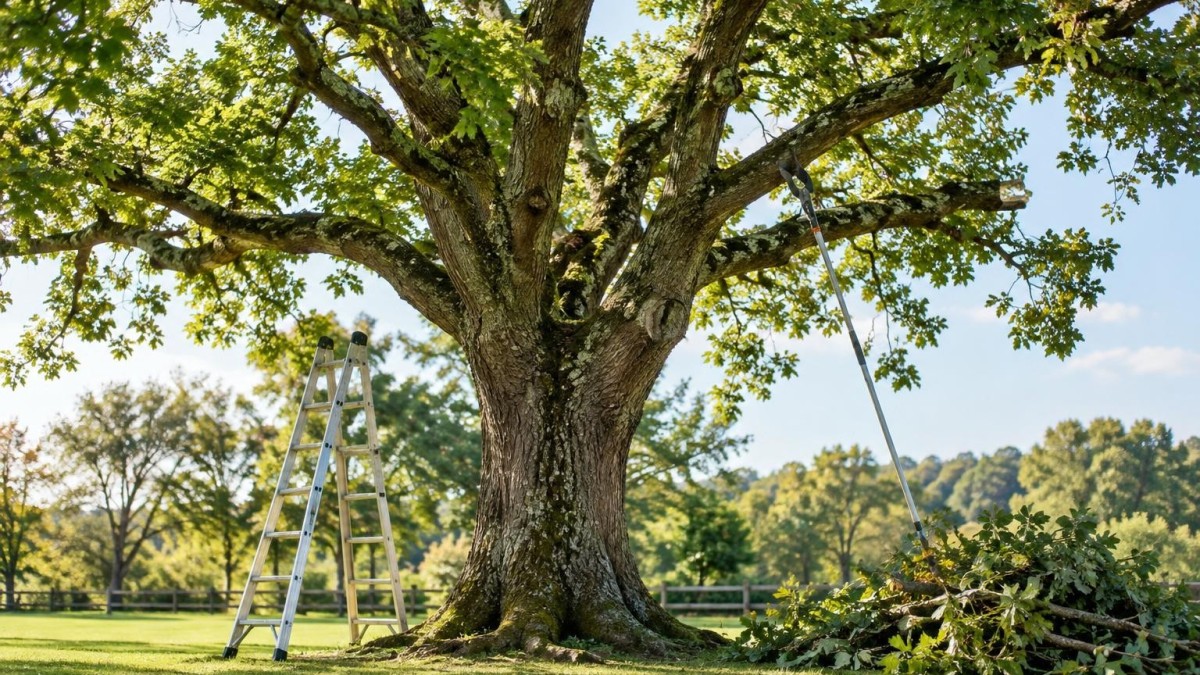
Why Pruning Is Essential for Mature Trees
Old trees are remarkable living landmarks that tell stories of the past through their enduring presence. However, as they age, their branches and trunks can weaken due to heavy limbs, dead wood, and dense canopies that add stress. Pruning, when done correctly by skilled arborists, plays a crucial role in revitalizing and preserving these majestic trees.
The Benefits of Thoughtful Pruning
Pruning involves the careful, selective removal of specific branches to improve a tree's health, structure, and safety. Beyond just shaping a tree's appearance, pruning supports its long-term vitality by enhancing natural defenses and balancing its framework. Removing dead or damaged limbs helps mature trees redirect their energy toward healthy growth and repair.
Opening up a tree’s canopy through thinning allows more sunlight and air to reach inner branches. This improved environment encourages new growth, reduces stress, and lowers the chance of fungal infections and pest problems. Such upkeep not only boosts the tree's strength but also contributes to overall safety for nearby people and property by minimizing the risk of breakage during storms.
Preserving Heritage Trees for Future Generations
Many mature trees hold significant historical and ecological value in their communities. Professional pruning helps maintain their unique form and longevity, ensuring these natural treasures continue to provide shade, shelter, and beauty. Regular, attentive tree care reduces future maintenance costs and helps sustain the tree’s role as a vital part of the landscape’s heritage.
Mature trees symbolize resilience, and pruning is a practical way to support their ongoing health and stability. By investing in proper pruning practices, tree owners and arborists contribute to the well-being of these arboreal giants, helping them thrive for many years to come.
Newsletter Station provides professionally written, ready-to-send newsletters customized for your market and brand.
EXPLORE NEWSLETTER OPTIONS