
Why Soil pH Is Essential for a Thriving Lawn
A perfectly green, flourishing lawn requires more than watering and mowing—it depends heavily on the soil beneath it. One critical factor that often gets overlooked is soil pH, which significantly impacts your grass's ability to grow, absorb nutrients, and handle stress.
What Soil pH Means and Why It Matters
Soil pH indicates how acidic or alkaline the soil is, measured on a scale from 0 to 14. Neutral soil has a pH of 7. Below 7 is acidic, and above 7 is alkaline. Most grasses do best in slightly acidic to neutral soils, generally between 6.0 and 7.0. When soil pH falls outside this range, your lawn may struggle, even if you fertilize and water correctly.
The pH level affects how nutrients move through the soil and become available to your grass. Acidic soil can make key nutrients like nitrogen, phosphorus, and potassium harder to access. Alkaline soils can lock away micronutrients such as iron and manganese, which may cause yellowing grass and poor growth. Maintaining the right pH helps ensure your lawn fully benefits from fertilizers and natural soil nutrients.
How pH Influences Soil Life and Structure
Beneficial microbes in the soil play a vital role in breaking down organic matter and releasing nutrients. These microorganisms thrive in neutral to slightly acidic soils. When the pH is too high or too low, their activity slows down, which can lower soil fertility and stunt grass growth.
Soil pH also affects soil texture and water movement. Acidic soils might become compacted, limiting drainage and weakening roots. While alkaline soils generally drain well, they can have trouble absorbing nutrients. Balanced pH levels support good aeration, moisture retention, and strong root development.
Testing and Adjusting Your Soil pH
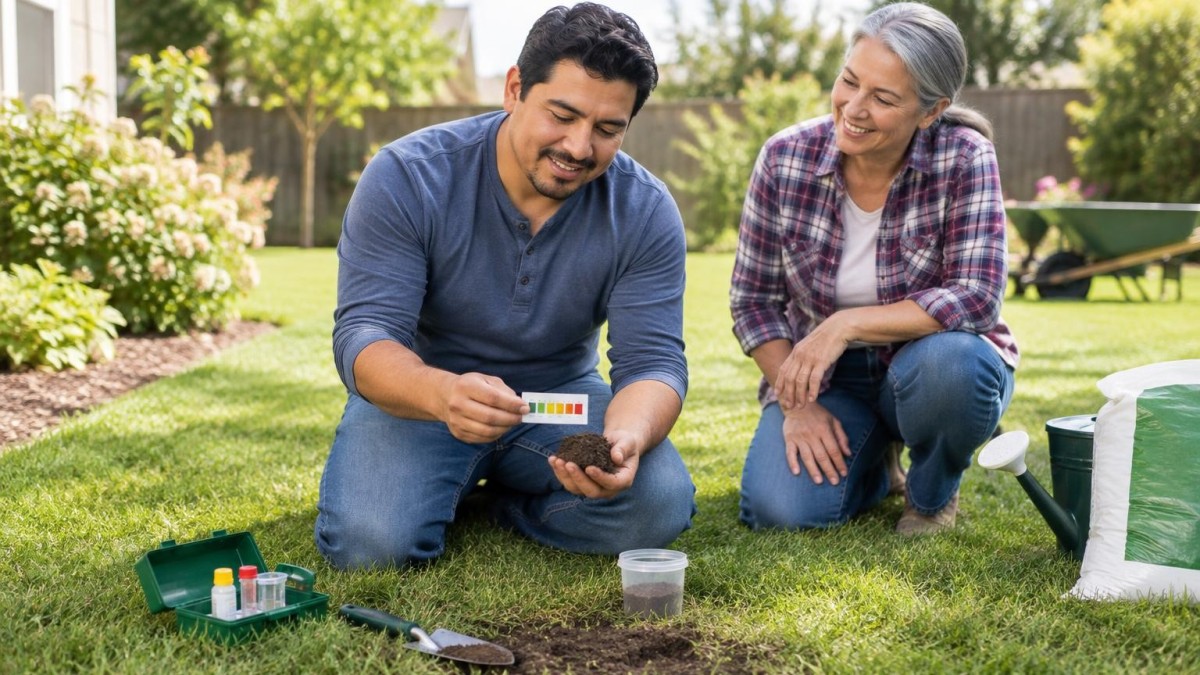
The best way to know your lawn's pH is through regular soil testing. You can use home test kits or seek professional analysis through local extension services. Once you know your soil’s pH, you can adjust it carefully.
To raise soil pH in acidic conditions, applying lime is a common and effective method. To lower pH in alkaline soils, sulfur treatments can help release bound nutrients. Adding organic matter like compost not only helps balance pH but also improves overall soil health.
Paying attention to soil pH is a simple yet powerful step toward a greener, healthier lawn. By keeping it in balance, you’ll support better nutrient uptake, stronger roots, and a lawn that stays resilient and beautiful through the seasons.
Newsletter Station provides professionally written, ready-to-send newsletters customized for your market and brand.
EXPLORE NEWSLETTER OPTIONS