
Welcoming a new dog into your home is a moment full of joy and excitement, but it also means taking on important responsibilities to ensure your furry friend adjusts happily and safely.
Make Your Home Safe and Inviting
Just like child-proofing, dog-proofing is essential before your new companion arrives. Remove anything hazardous within their reach — such as toxic plants, chemicals, medications, and small objects that could be swallowed. Secure loose cords and use baby gates to block off areas that might be unsafe or off-limits until your dog gets familiar with the space.
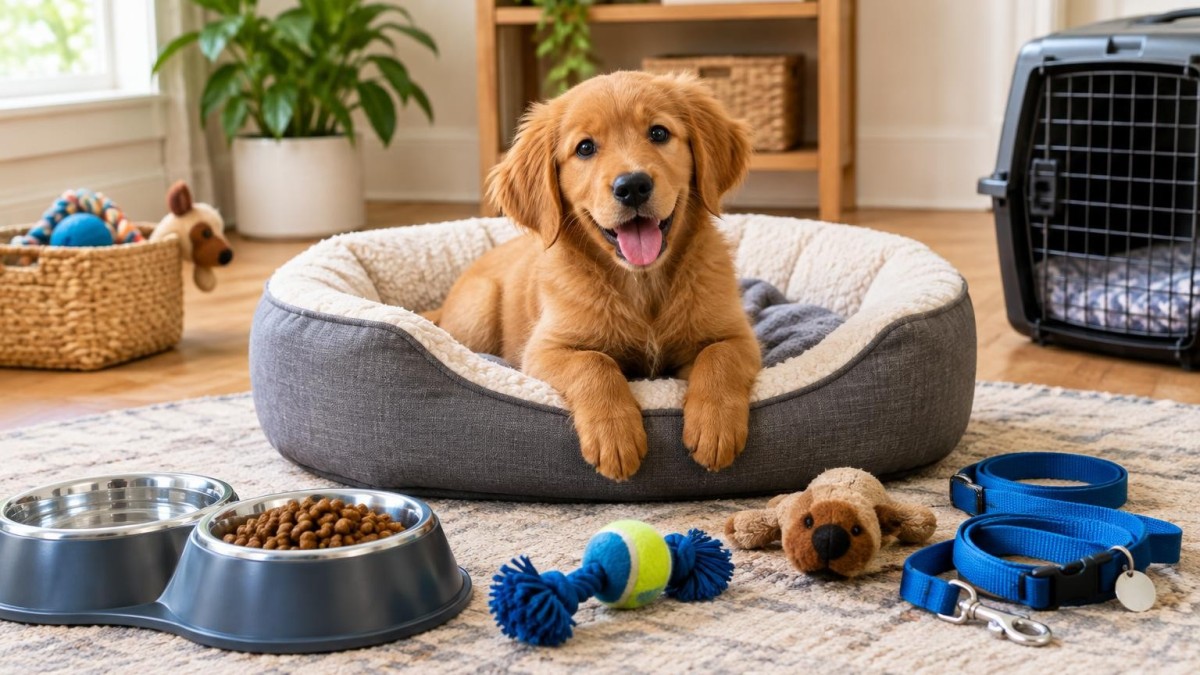
Designate a quiet, cozy spot where your dog can relax and feel secure. This could be a crate, a comfy dog bed, or a quiet room away from bustle and noise. Add soft bedding, fresh water, and safe toys, introducing this area positively so your dog associates it with comfort, not solitude.
Be Ready With the Right Supplies
Having essential items on hand before your dog arrives cuts down on stress and lets you focus on building your bond. Stock up on food and water bowls, age-appropriate quality dog food, collar and leash with ID tags, toys for stimulation, grooming tools, waste bags, and a crate if crate training is planned.
If you have a yard, take care to inspect it thoroughly. Check fencing for gaps, secure loose boards, and remove any toxic plants or chemicals. Make sure there’s ample shade and water available outdoors and consider setting a designated bathroom area to support training.
Health, Training, and Routine Matter
Book a veterinary appointment shortly after your dog arrives to establish their health baseline. Your vet will suggest vaccines, parasite control, nutrition advice, and ongoing wellness checks.
Training and socialization lay the groundwork for a happy relationship. Start with basic obedience and socialization classes using positive reinforcement as soon as possible. Exposing your dog gradually to new people, pets, and environments helps reduce stress and unwanted behavior later on.
Keep your dog mentally and physically active with daily walks, playtime, and interactive toys tailored to their breed, age, and energy level. A consistent schedule for feeding, bathroom breaks, exercise, and rest provides a sense of security and boosts training success.
Remember, every dog adjusts at their own pace. Patience, kindness, and positive reinforcement are key as your new pet gets comfortable and bonds with you.
Thoughtful preparation and care will help your new dog feel at home quickly, setting the stage for many happy years together filled with companionship and love.
Newsletter Station provides professionally written, ready-to-send newsletters customized for your market and brand.
EXPLORE NEWSLETTER OPTIONS